- 4x4 Selfdrive Uganda
- +256 701819223
- +256 774819223
- info@4x4selfdriveuganda.com


Why Uganda Is Africa’s Best Destination for 4×4 Self-Drive Safaris
December 12, 2025
Top 10 National Parks for 4×4 Self-Drive Trips in Uganda
December 12, 2025
How to Plan a 4×4 Self-Drive Safari in Uganda: Everything You Need to Know
Embracing the Freedom of a Ugandan Self-Drive Safari
Planning a 4×4 self-drive safari in Uganda is one of the most rewarding ways to experience Africa in its raw, authentic form. Uganda, often referred to as the Pearl of Africa, offers an extraordinary blend of landscapes, wildlife, cultures, and road-based adventure that few countries can rival. Unlike conventional guided safaris, a self-drive journey puts you in full control of your itinerary, your pace, and your encounters, allowing you to explore the country deeply and meaningfully.
However, a successful self-drive safari in Uganda requires careful planning. Road conditions vary widely, national parks are spread across diverse regions, and logistics such as permits, fuel planning, navigation, and accommodation must be thoughtfully coordinated. This comprehensive guide walks you through every stage of planning a 4×4 self-drive safari in Uganda, from the earliest research phase to the moment you return the vehicle, ensuring your journey is safe, enriching, and unforgettable.
Understanding What a 4×4 Self-Drive Safari in Uganda Involves
A self-drive safari in Uganda is not simply about renting a car and driving between attractions. It is an immersive travel experience that combines long-distance road trips, wildlife exploration, cultural encounters, and independent decision-making. You are responsible for driving, navigation, time management, and adapting to changing conditions on the road.
Uganda’s self-drive experience differs from that of southern African countries known for extensive paved park roads. Here, adventure is part of the appeal. Many park roads are gravel or dirt, and some routes pass through remote regions with limited infrastructure. This sense of exploration is precisely what attracts travelers to self-drive safaris in Uganda, but it also means preparation is essential.
A 4×4 vehicle is not optional. It is the foundation of your journey, enabling access to national parks, forested regions, mountainous areas, and remote landscapes that standard vehicles cannot handle reliably.
Choosing the Best Time for a Self-Drive Safari in Uganda
Timing plays a critical role in planning your self-drive safari. Uganda is located along the equator, which means it experiences relatively stable temperatures throughout the year, but rainfall patterns significantly affect road conditions and driving ease.
The drier periods generally offer more comfortable driving conditions, with roads being less muddy and easier to navigate. Wildlife viewing is often excellent during these times, as animals gather around water sources and vegetation is shorter, improving visibility. These seasons are particularly suitable for first-time self-drive travelers.
The wetter months bring heavier rains that transform Uganda into a lush, green paradise. While some roads can become challenging, especially in forested and mountainous areas, experienced self-drive travelers often find this season deeply rewarding. The landscapes are dramatic, birdlife is abundant, and tourist numbers are lower, creating a greater sense of solitude and exclusivity.
When planning your trip, it is important to consider not only weather but also your comfort level with challenging driving conditions and your overall travel goals.
Selecting the Right 4×4 Vehicle for Uganda
The choice of vehicle can determine the success or failure of your self-drive safari. Uganda’s varied terrain demands a reliable, high-clearance 4×4 capable of handling rough roads, steep inclines, river crossings, and muddy tracks.
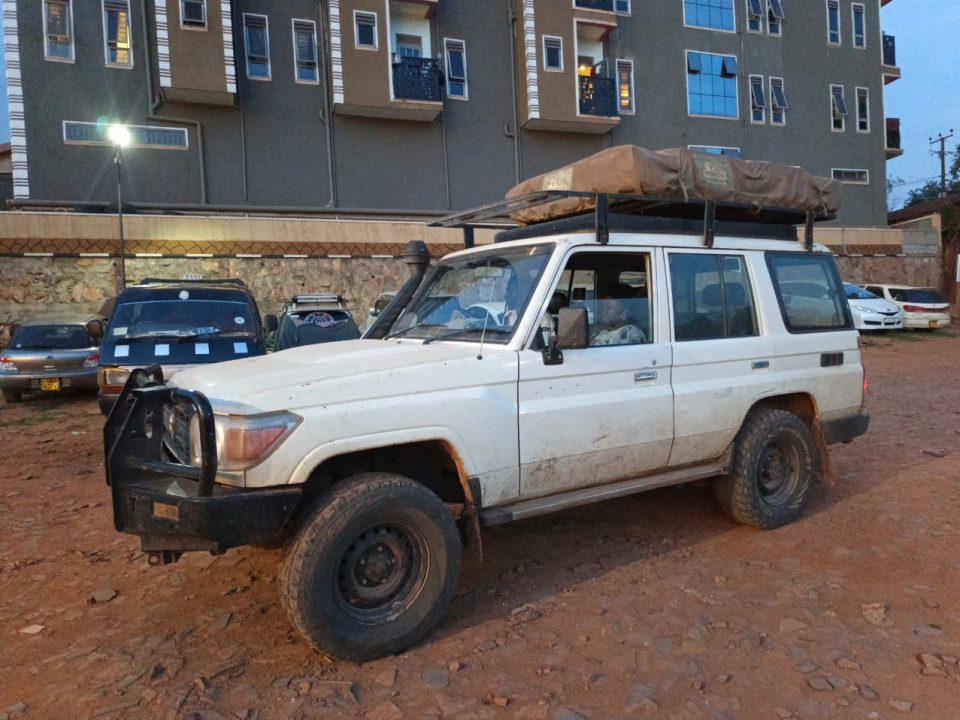
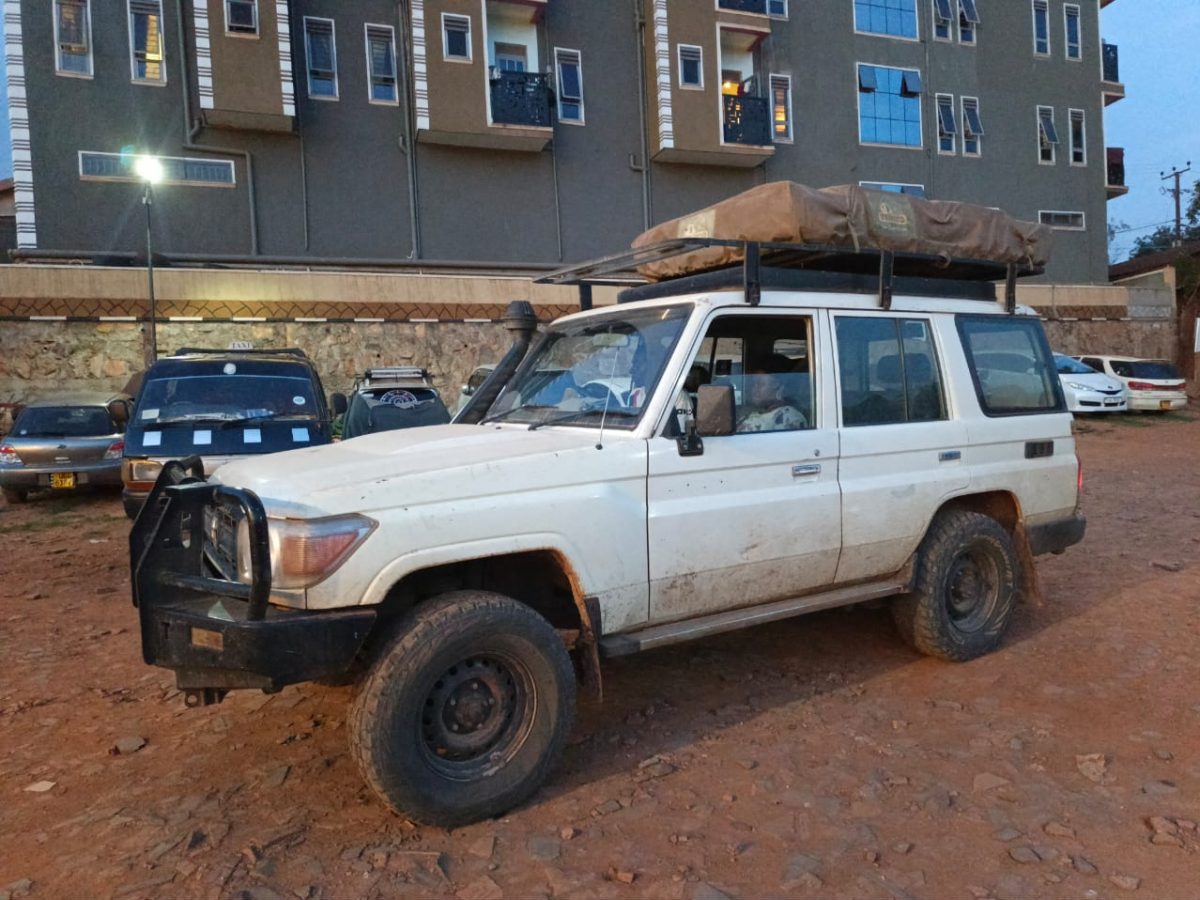
Vehicles such as the Toyota Land Cruiser, Toyota Hilux, and similar safari-ready models are well suited to Ugandan conditions. These vehicles are built for durability, have strong suspension systems, and are widely used across East Africa, meaning spare parts and mechanical knowledge are readily available.
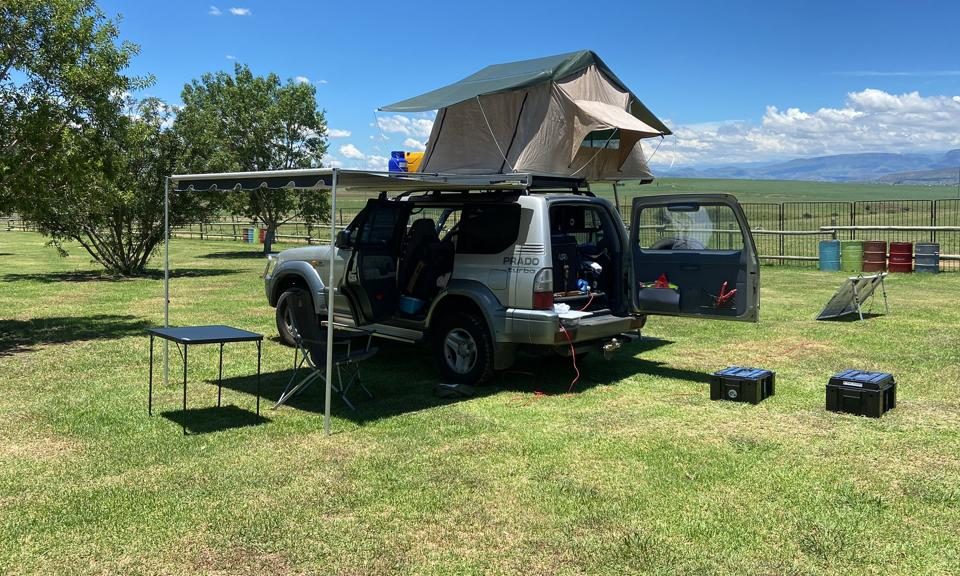
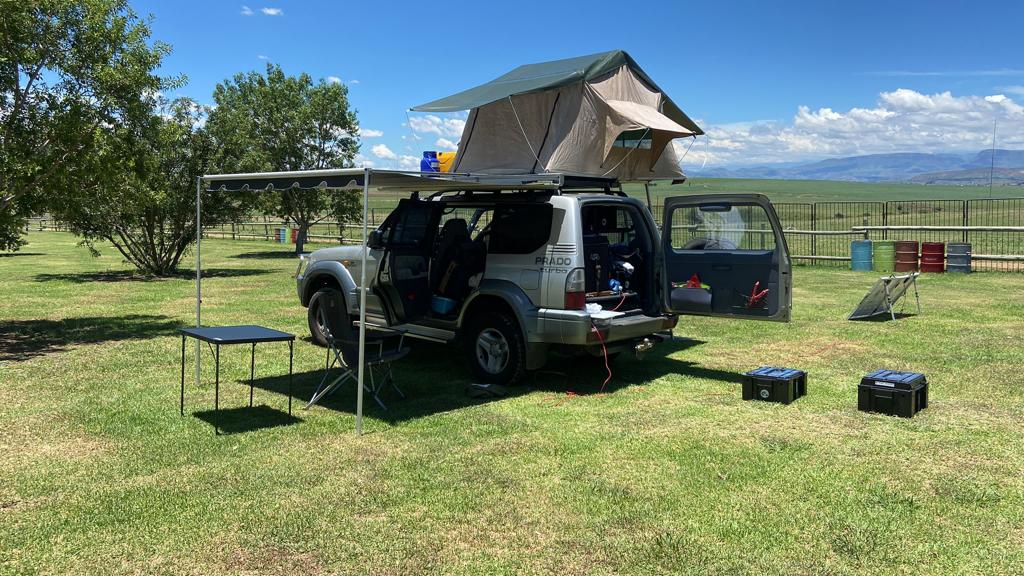
Comfort is also an important consideration. Long driving days are common, and a vehicle with adequate seating space, air conditioning, and storage capacity makes the journey far more enjoyable. If you plan to camp, a vehicle equipped with a rooftop tent and camping accessories can offer flexibility and immersion in nature, while those preferring lodges should ensure sufficient space for luggage and supplies.
Most importantly, the vehicle must be well maintained and supported by a reliable rental company that understands the realities of self-drive travel in Uganda.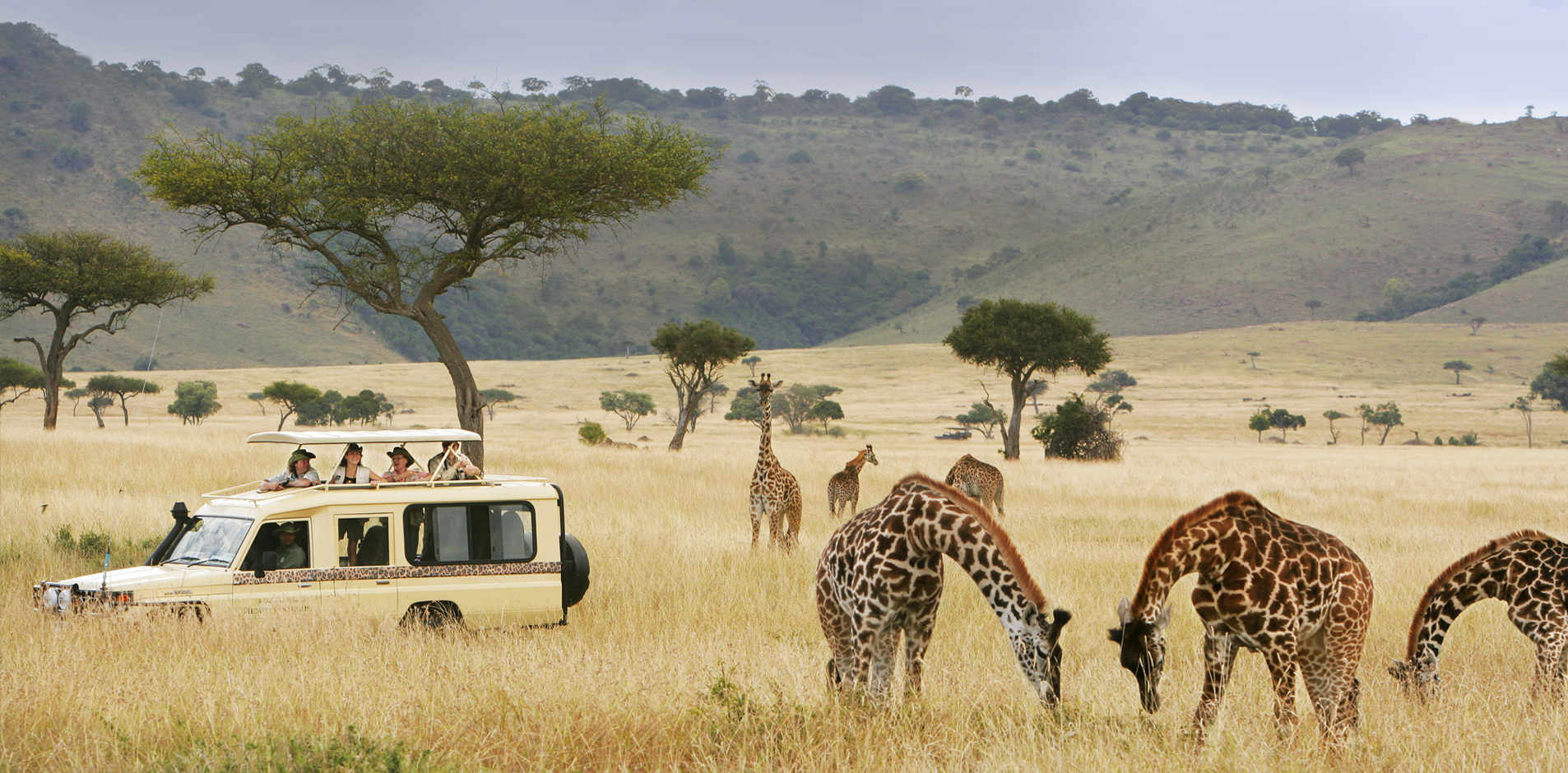
Planning Your Route and Itinerary
One of the greatest advantages of a self-drive safari is the freedom to design your own route. Uganda’s compact size allows you to link multiple regions within a single trip, but thoughtful planning is essential to avoid exhaustion and rushed experiences.
Start by identifying the regions and experiences most important to you. Uganda offers classic savannah safaris, primate trekking, birdwatching, cultural tourism, mountain scenery, and lake-based relaxation. Combining too many activities in a short time can reduce enjoyment, so balance is key.
Distances in Uganda may appear short on a map, but driving times can be long due to road conditions, traffic in towns, and unexpected stops. It is wise to plan realistic driving days and allow extra time for delays. A well-paced itinerary enhances safety and ensures you arrive at destinations with energy to enjoy them fully.
Including rest days or shorter drives helps maintain flexibility, allowing you to adjust plans based on weather, wildlife sightings, or personal preferences.
Navigating Uganda’s Roads with Confidence
Navigation is a crucial part of self-drive planning. While major highways are generally well marked, secondary roads and routes within national parks often lack clear signage. Relying solely on mobile data is risky, as network coverage can be limited in remote areas.
Offline navigation tools and GPS devices are invaluable. Downloading maps before departure ensures you can navigate even without signal. Local knowledge also plays an important role, as road conditions can change due to weather or construction.
Driving in Uganda requires patience and attentiveness. In towns and villages, pedestrians, livestock, and motorcycles share the road, and sudden stops are common. Outside urban areas, wildlife and cattle may cross the road unexpectedly, especially at dawn and dusk.
Defensive driving, moderate speeds, and respect for local road culture are essential for safety and a positive experience.
Understanding Fuel Planning and Vehicle Logistics
Fuel planning is often underestimated but is critical for a smooth self-drive safari. While fuel stations are common along major routes and in towns, they can be sparse in remote regions, particularly in northern and northeastern Uganda.
Before setting off each day, ensure you have sufficient fuel for the planned distance, with a buffer for detours or delays. Knowing the range of your vehicle and identifying fuel stops in advance reduces stress and prevents risky situations.
It is also wise to familiarize yourself with basic vehicle checks, such as tire pressure, oil levels, and spare tire access. Many rental companies provide emergency equipment, but understanding how to use it adds an extra layer of confidence.
Booking National Parks and Permits in Advance
Uganda’s national parks are a major highlight of any self-drive safari, and proper planning ensures smooth access. Entrance fees are usually paid at park gates or ranger stations, but it is important to confirm current requirements before travel.
For experiences such as gorilla trekking and chimpanzee tracking, permits must be secured well in advance. These permits are limited and highly sought after, especially during peak travel seasons. Planning your itinerary around confirmed permit dates is essential to avoid disappointment.
Even for self-drive travelers, understanding park rules, driving regulations, and permitted routes enhances safety and conservation efforts. Respecting speed limits and designated tracks protects both wildlife and visitors.
Accommodation Planning for Self-Drive Travelers
Accommodation plays a significant role in self-drive safari planning. Uganda offers a wide range of options, from luxury lodges and mid-range camps to budget guesthouses and campsites.
Self-drive travelers benefit from choosing accommodations that are easily accessible and clearly located. Lodges within or near national parks reduce daily driving distances and allow for early morning and late afternoon wildlife viewing, which are often the most productive times.
Booking accommodation in advance provides peace of mind, particularly during busy seasons. However, self-drive travel also allows some flexibility, especially when staying in regions with multiple lodging options.
Choosing places that understand self-drive travelers and provide secure parking, clear directions, and early breakfast options can greatly enhance the overall experience.
Safety, Health, and Travel Preparedness
Safety planning is an essential part of any self-drive safari. Uganda is considered a safe and welcoming country, but preparedness ensures peace of mind.
Travel insurance that covers self-drive safaris, vehicle use, and medical emergencies is highly recommended. Carrying basic first aid supplies, sufficient drinking water, and emergency contacts adds resilience to your journey.
Health preparations, including recommended vaccinations and malaria prevention, should be discussed with a medical professional before travel. Being well-prepared allows you to focus on the adventure rather than potential risks.
Cultural Awareness and Responsible Travel
One of the most enriching aspects of a self-drive safari in Uganda is cultural interaction. Respectful behavior, patience, and curiosity go a long way in building positive connections with local communities.
Understanding basic cultural norms, greeting people politely, and seeking permission before photographing individuals fosters mutual respect. Supporting local businesses, markets, and community initiatives contributes directly to the regions you visit.
Responsible driving, waste management, and respect for wildlife and protected areas ensure that Uganda remains a rewarding destination for future travelers.
Preparing Mentally for the Self-Drive Experience
Beyond logistics, mental preparation is equally important. Self-drive safaris require adaptability, patience, and a sense of adventure. Plans may change due to weather, road conditions, or unexpected discoveries, and embracing this flexibility is part of the experience.
Viewing challenges as opportunities rather than obstacles transforms the journey into a story worth telling. The moments that require problem-solving often become the most memorable parts of a self-drive safari.
Final Thoughts: Turning Planning into an Unforgettable Journey
Planning a 4×4 self-drive safari in Uganda is an investment in freedom, discovery, and personal connection with one of Africa’s most diverse countries. With careful preparation, realistic expectations, and the right support, self-driving becomes not just a way to travel, but a deeply fulfilling adventure.
Uganda rewards travelers who take the time to plan thoughtfully, drive responsibly, and engage openly with both nature and people. Every road leads to a new perspective, and every destination offers stories that unfold only when explored at your own pace.
Travel with Confidence by Booking with a Trusted Operator
To ensure a smooth, safe, and rewarding self-drive safari, partnering with a reliable local expert is essential. 4×4 Selfdrive Uganda specializes in providing well-maintained 4×4 vehicles, practical travel advice, and dependable support tailored to Uganda’s unique driving conditions. By booking with a trusted tour operator, travelers gain confidence on the road and the freedom to fully enjoy the adventure, knowing that expert assistance is always within reach.