- 4x4 Selfdrive Uganda
- +256 701819223
- +256 774819223
- info@4x4selfdriveuganda.com

4×4 Car Hire in Uganda: How to Choose the Best Vehicle
December 12, 2025
The Best Time of Year for a 4×4 Self-Drive Safari in Uganda
December 12, 2025
How Much Does a 4×4 Self-Drive Safari Cost in Uganda?
Understanding the True Cost of a Self-Drive Safari in Uganda
A 4×4 self-drive safari in Uganda is often seen as one of the most flexible and adventurous ways to explore the Pearl of Africa. Unlike guided safaris with fixed packages, self-drive travel allows you to shape your journey according to your interests, pace, and budget. However, this flexibility also means that costs are not always obvious at first glance. Many travelers ask the same important question before planning their trip: how much does a 4×4 self-drive safari in Uganda actually cost?
The answer depends on several interconnected factors, including the type of vehicle you hire, the duration of your trip, the regions you visit, the kind of accommodation you choose, and the activities you plan to include. Uganda offers options for budget-conscious travelers, mid-range adventurers, and those seeking a more comfortable or semi-luxury self-drive experience.
This detailed guide breaks down the real costs involved in a 4×4 self-drive safari in Uganda, helping you plan realistically, avoid surprises, and understand where your money goes.
Why Self-Drive Safaris in Uganda Offer Flexible Pricing
One of the biggest advantages of a self-drive safari in Uganda is cost control. Unlike guided safaris where many expenses are bundled together, self-drive travel allows you to decide how much you spend on each element of the journey. You can choose a simpler vehicle, camp instead of staying in lodges, or focus on fewer parks to manage costs.
Uganda is also relatively compact compared to some African safari destinations, which can help reduce fuel and travel expenses. At the same time, the country’s diversity means that you can combine high-value experiences, such as gorilla trekking, with more affordable park visits and scenic road trips.
Understanding this flexibility is key to answering the cost question. A self-drive safari in Uganda does not have one fixed price; instead, it offers a range of possible budgets depending on your choices.
The Cost of Hiring a 4×4 Vehicle in Uganda
The largest single expense on a self-drive safari is usually the 4×4 vehicle hire. Uganda’s terrain requires a true four-wheel-drive vehicle, especially if you plan to visit national parks, mountainous regions, or remote areas.
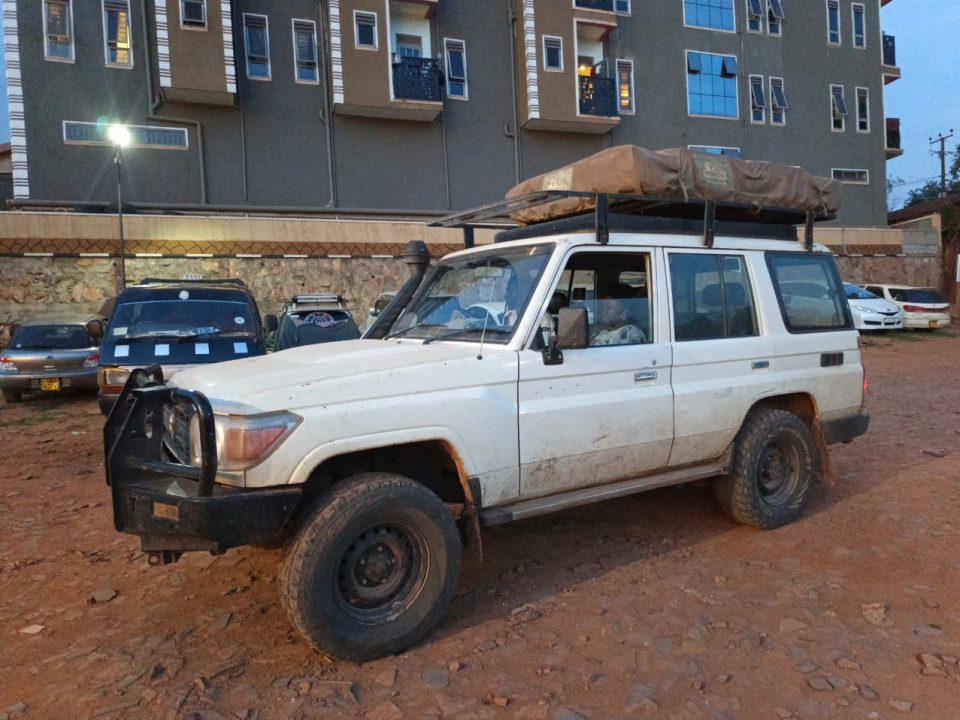
Daily rental costs vary based on the vehicle model, age, condition, and included support services. Well-maintained safari-ready 4×4 vehicles typically cost more than standard SUVs, but they offer reliability, safety, and peace of mind. Vehicles that are commonly used for safaris are designed to handle rough roads and long distances, which reduces the risk of breakdowns.
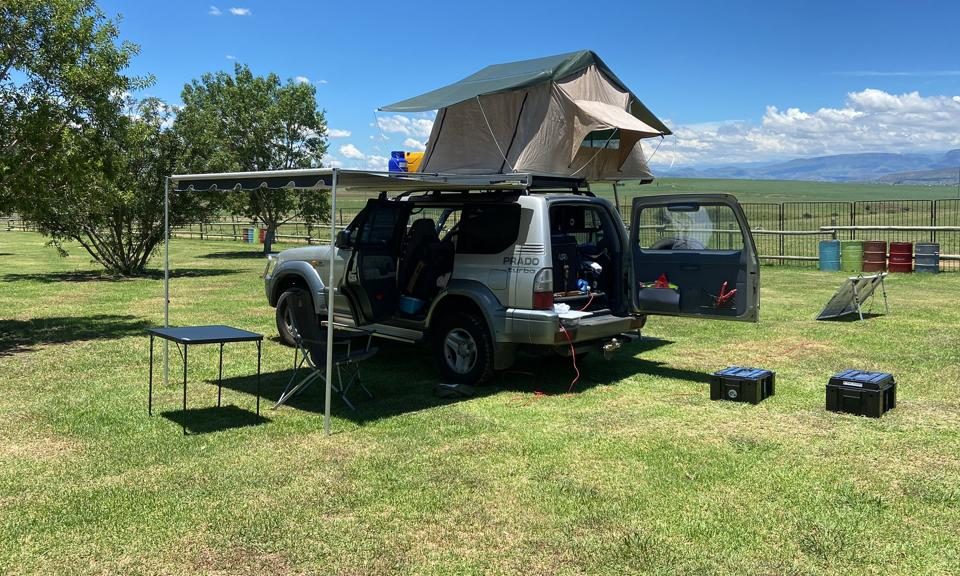
The duration of your rental also affects cost. Longer rentals often come with discounted daily rates, making extended trips more cost-effective per day. Additional features such as camping equipment, rooftop tents, or extended insurance coverage can influence the final price.
Choosing a reputable provider ensures that the vehicle is properly serviced and supported, which is crucial for avoiding unexpected expenses during your trip.
Fuel Costs and How They Affect Your Budget
Fuel is another significant cost factor on a self-drive safari. While Uganda has a good network of fuel stations along major routes and in towns, fuel prices can fluctuate, and consumption depends heavily on your route and driving style.
Long distances, rough roads, and low-speed driving in parks increase fuel consumption. Savannah parks like Murchison Falls and Queen Elizabeth involve extended game drives, which add to fuel usage. Mountainous areas such as Bwindi and Mgahinga also consume more fuel due to steep gradients and lower gear driving.
Planning your route carefully and understanding approximate distances helps you estimate fuel costs more accurately. While fuel expenses add up, they are generally manageable and predictable with proper planning.
National Park Entry Fees and Conservation Costs
Uganda’s national parks charge daily entry fees per person and per vehicle. These fees contribute directly to conservation and park management and are an essential part of your safari budget.
The cost varies depending on the park and your residency status. Some parks are more affordable and ideal for longer stays, while others have higher fees due to their popularity or conservation significance. Because fees are charged per day, the length of your stay in each park directly affects your total cost.
Self-drive travelers often appreciate the transparency of park fees, as you pay only for the days you choose to spend inside each park. This allows you to balance high-value parks with more affordable ones to manage your overall budget.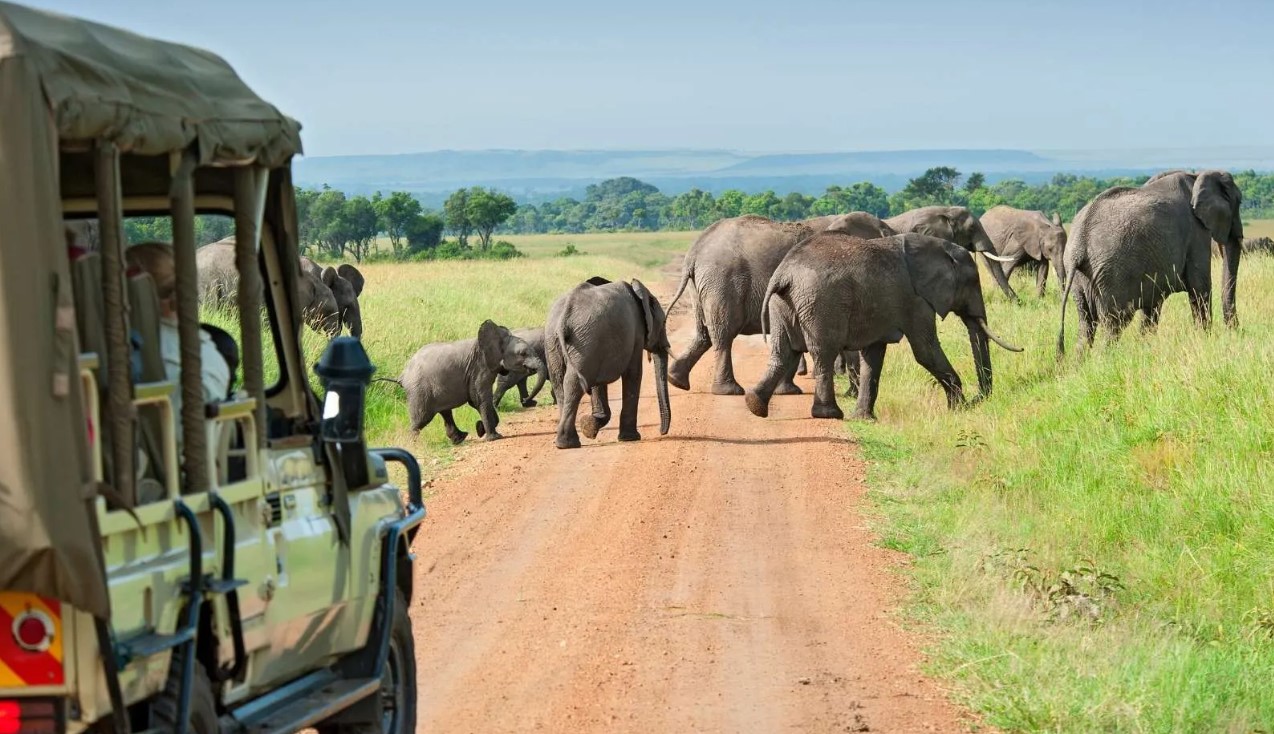
The Cost of Gorilla Trekking and Primate Experiences
For many travelers, gorilla trekking is the highlight of a Uganda safari, but it is also one of the most significant expenses. Gorilla permits are priced separately from park entry fees and must be secured in advance due to limited availability.
While the permit cost is high compared to other activities, it covers conservation efforts, ranger guidance, and community support. When budgeting for a self-drive safari that includes gorilla trekking, it is important to factor this cost early in the planning process.
Chimpanzee tracking permits and other primate experiences are generally more affordable than gorilla trekking but still represent an additional expense. Including or excluding these activities has a major impact on your total safari cost.
Accommodation Costs Across Different Travel Styles
Accommodation is one of the most flexible cost components of a self-drive safari in Uganda. The country offers a wide range of options, from budget campsites and guesthouses to mid-range lodges and high-end safari properties.
Self-drive travelers often mix accommodation styles to balance comfort and cost. Camping or budget lodges help reduce expenses on some nights, while a few nights in more comfortable lodges provide rest and luxury when needed.
Staying inside or near national parks often costs more than accommodation in nearby towns, but it reduces daily driving distances and enhances wildlife viewing opportunities. Choosing accommodation strategically helps manage both time and money.
Food and Daily Living Expenses on the Road
Food costs on a self-drive safari in Uganda are generally moderate and flexible. Many lodges offer meal plans, while towns and roadside stops provide affordable local food options.
Self-drive travelers who prefer independence often buy groceries from markets and supermarkets, reducing food expenses significantly. This approach also adds a cultural dimension to the journey, allowing interaction with local communities.
Balancing lodge meals with self-catering or local dining helps control daily expenses without sacrificing comfort or enjoyment.
Insurance, Permits, and Administrative Costs
Insurance is an essential but sometimes overlooked cost. Comprehensive vehicle insurance protects you from unexpected expenses related to accidents or damage. Travel insurance that covers self-drive safaris and medical emergencies is also strongly recommended.
Administrative costs may include vehicle documentation, cross-border permits if traveling outside Uganda, and activity bookings. While these costs are usually smaller compared to major expenses, they contribute to the overall budget and should be planned for in advance.
Sample Cost Scenarios for Different Travelers
The total cost of a 4×4 self-drive safari in Uganda varies widely depending on travel style. Budget-conscious travelers who camp, limit high-cost activities, and choose shorter routes can keep costs relatively low while still enjoying rewarding experiences.
Mid-range travelers who hire a reliable 4×4, stay in comfortable lodges, and include one or two premium activities enjoy a balanced safari with good comfort and value.
Travelers seeking maximum comfort, newer vehicles, lodge-based accommodation, and multiple premium experiences should expect a higher overall cost, though still often less than equivalent guided safaris.
Understanding which category best fits your expectations helps you plan realistically and avoid unnecessary stress.
Why Self-Drive Can Be More Cost-Effective Than Guided Safaris
Compared to guided safaris, self-drive travel often offers better value for longer trips or travelers who enjoy independence. Guided safaris include professional services, which increase costs but also provide convenience.
Self-drive safaris shift responsibility to the traveler but allow greater control over spending. For confident drivers and planners, this trade-off often results in significant savings without sacrificing experience quality.
Hidden Costs to Be Aware Of
While self-drive safaris are flexible, travelers should be aware of potential hidden costs. Delays due to weather, road conditions, or route changes can increase fuel and accommodation expenses. Choosing a poorly maintained vehicle can lead to repair costs or lost travel days.
Booking with a reputable provider reduces these risks and helps ensure cost predictability throughout the journey.
Final Thoughts: Is a 4×4 Self-Drive Safari in Uganda Worth the Cost?
A 4×4 self-drive safari in Uganda is an investment in freedom, discovery, and authentic travel. While costs vary, the value lies in the ability to shape your journey, explore at your own pace, and connect deeply with the country’s landscapes and people.
When planned carefully, a self-drive safari offers excellent value for money, combining iconic wildlife experiences with scenic road trips and cultural encounters that guided tours often miss.
Travel with Confidence by Booking with a Trusted Expert
To ensure transparent pricing, reliable vehicles, and professional support, it is essential to work with a trusted local operator. 4×4 Selfdrive Uganda provides well-maintained 4×4 vehicles, clear cost guidance, and dependable assistance tailored to Uganda’s driving conditions. By booking with an experienced tour operator, travelers gain confidence, avoid unexpected expenses, and enjoy their self-drive safari knowing every cost has been thoughtfully planned.