- 4x4 Selfdrive Uganda
- +256 701819223
- +256 774819223
- info@4x4selfdriveuganda.com

4×4 Car Rental with Double Rooftop Tents in Uganda
September 7, 2026
4×4 Rooftop Tent Rental in Uganda
September 7, 2026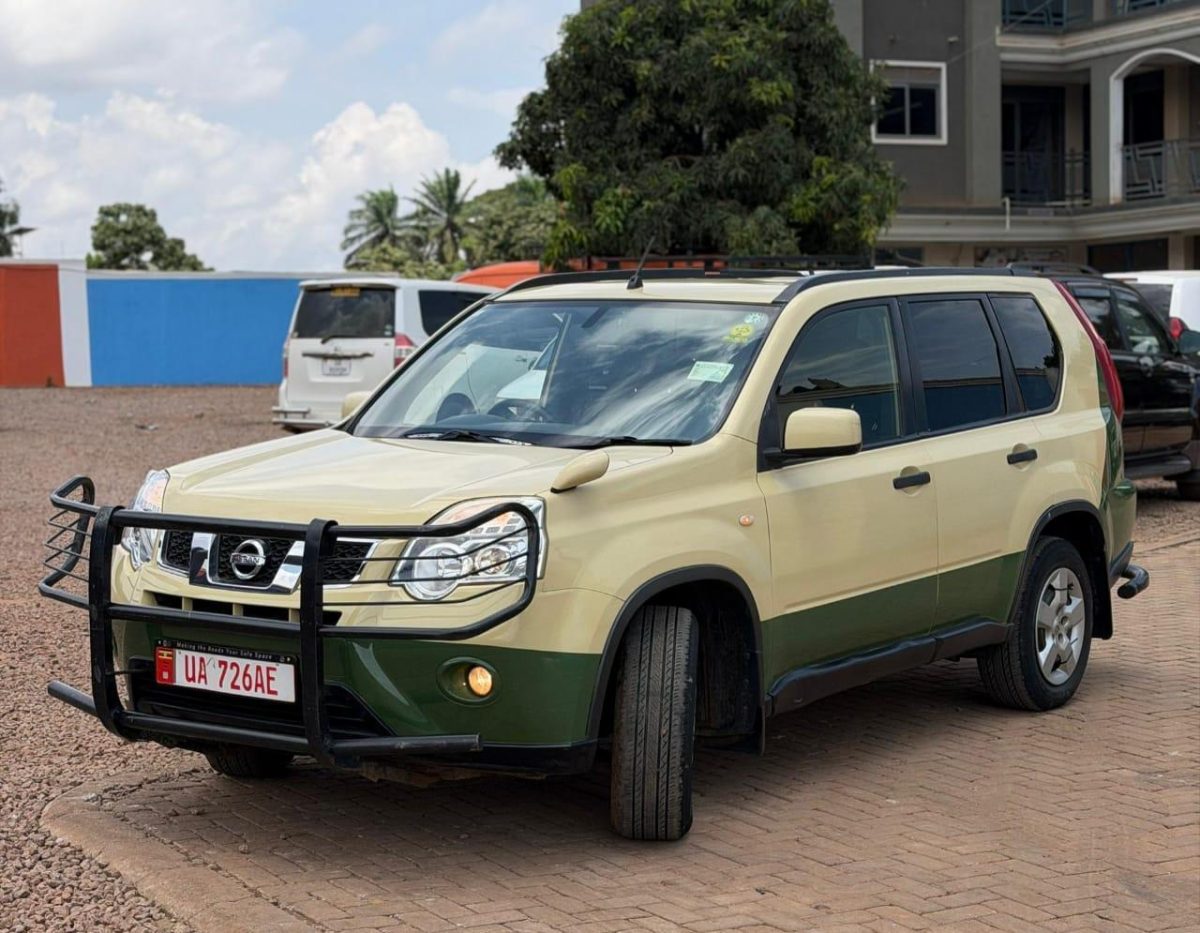
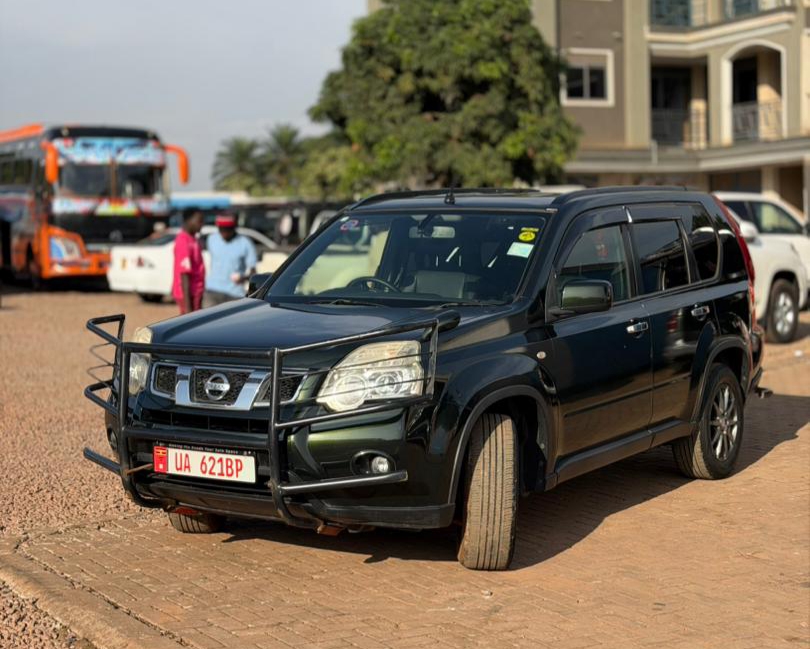
Nissan X-Trail Rental with Ground Tent in Uganda
If you are planning a self-drive safari in Uganda and want to keep costs down without giving up the freedom of the open road, a Nissan X-Trail paired with a ground tent is one of the smartest combinations available. The X-Trail is compact enough to be affordable and easy to drive, yet spacious and capable enough to reach most of Uganda’s national parks and public campsites. Add a full ground camping kit, and you have everything you need for an authentic, wallet-friendly bush experience under the stars.
This guide walks you through everything you need to know before booking: why the X-Trail works so well for camping self-drives, what a typical rental package includes, how much it costs, where to camp, what to pack, and the rules and documents you need to have in order before you collect your keys.
Why the Nissan X-Trail Is a Smart Pick for a Camping Self-Drive
The Nissan X-Trail is a mid-size crossover SUV that strikes a balance many self-drive travellers are looking for: it is more comfortable and capable than a compact hatchback, but far cheaper to rent and run than a Land Cruiser or Hilux. For travellers whose itinerary sticks mainly to tarmac and well-graded murram roads — with only occasional rougher stretches inside a park — the X-Trail is a practical, economical choice.
- Fuel efficiency: The X-Trail’s four-cylinder engine sips far less fuel than the larger diesel 4x4s commonly rented for safaris, which matters on long routes such as Kampala to Kidepo or Kampala to Ishasha.
- Comfortable ride quality: Independent suspension and a car-like cabin make long driving days between parks noticeably less tiring than in a stiffer, truck-based 4×4.
- Generous cargo space: The rear seats fold flat, giving enough room for a ground tent, sleeping mats, a camp table, cool box, and duffel bags for two to three travellers.
- Manageable size: Narrower and shorter than a Land Cruiser, the X-Trail is easier to park at lodges, campsites, and in town, and less intimidating for first-time self-drive visitors.
- 4×4 and 4×2 variants available: Some rental fleets offer the all-wheel-drive X-Trail variant, which copes well with light off-road sections; ask your rental company which drivetrain your specific vehicle has before booking.
| A Quick Reality Check
The X-Trail is not a heavy-duty off-roader. It is best suited to itineraries built around savannah parks with good road networks — Lake Mburo, Queen Elizabeth, and the Kidepo access road in dry season — rather than the deep mud and steep escarpments found in remote corners of Murchison Falls or Kidepo during heavy rains. Your rental consultant can advise on route suitability for the season you are travelling in. |
Nissan X-Trail Specifications at a Glance
| Feature | Detail |
| Body type | Mid-size crossover SUV, 5-door |
| Seating capacity | 5 seats (2 comfortably free for camping gear when folded) |
| Drivetrain | 4×2 or 4×4, depending on the specific unit |
| Transmission | Automatic or manual, depending on the specific unit |
| Fuel type | Petrol (most fleet units) |
| Approximate fuel economy | 9–11 litres per 100 km on mixed roads |
| Ground clearance | Moderate — suitable for murram and light off-road tracks |
| Boot space (seats folded) | Approx. 1,700 litres — enough for a full ground camping kit |
| Ideal group size | 1–3 travellers with camping gear, or 2 with generous packing space |
Ground Tent vs. Rooftop Tent: Why This Pairing Makes Sense
Most of our self-drive camping articles cover rooftop tents mounted on heavy-duty 4x4s like the Land Cruiser or Hilux. The X-Trail takes a different, more budget-conscious route: a ground tent carried inside the vehicle rather than bolted to the roof. This is a deliberate pairing, not a compromise, and it suits a specific type of traveller very well.
| Consideration | Ground Tent (X-Trail) | Rooftop Tent (4×4 truck) |
| Rental cost | Lower — no roof rack, ladder, or reinforced suspension required | Higher — specialised roof rack and heavier vehicle |
| Vehicle wear | None — roofline and fuel economy unaffected | Added wind resistance and roof load |
| Setup time | 10–15 minutes with two people | 5–10 minutes once you learn the mechanism |
| Sleeping height off ground | Ground level — good ventilation, low profile | 1.5–2 m up — extra sense of separation from animals |
| Best for | Budget travellers, savannah parks, established campsites | Remote bush camping, areas with more ground-level wildlife activity |
| Packing flexibility | Tent stores flat when not in use, freeing boot space | Always mounted, permanently using roof space |
| Which One Should You Choose?
If your route sticks to fenced or ranger-patrolled public campsites inside parks such as Lake Mburo or Queen Elizabeth, and you are travelling on a tighter budget, the X-Trail and ground tent combination is an excellent fit. If you are heading into more remote, unfenced wilderness campsites where large game regularly passes through camp at night, a rooftop tent on a proper 4×4 is the safer option. |
What’s Included in Your X-Trail Ground Tent Rental Package
Packages vary slightly between rental operators, but a standard Nissan X-Trail camping self-drive package typically includes the following:
- Nissan X-Trail with full-tank collection and comprehensive insurance
- One 2–3 person ground tent with rainfly, pegs, and guy ropes
- Two folding camp chairs and one folding camp table
- Sleeping mats or thin foam mattresses (sleeping bags usually available on request)
- A 40–50 litre cool box for perishables and drinks
- Gas cooker with one spare gas canister, plus a basic pot and pan set
- Camping-grade lantern or rechargeable LED light
- Jerry can for extra fuel and a jerry can for drinking water
- Spare tyre, jack, tow rope, and basic tool kit
- 24-hour roadside assistance contact and unlimited kilometrage on most packages
Optional add-ons offered by most operators include a rooftop cargo box for extra luggage space, a portable shower bag, a second tent for larger groups, a satellite tracker or GPS device, and the services of a professional driver-guide if you would rather not self-drive the entire route.
Rental Rates and Cost Breakdown
Rates fluctuate with season, rental duration, and how many camping extras you add, but the table below gives a realistic planning range for a Nissan X-Trail with a full ground tent camping kit.
| Item | Approximate Rate (USD) |
| Nissan X-Trail self-drive, per day (4×2) | $45 – $60 |
| Nissan X-Trail self-drive, per day (4×4) | $60 – $80 |
| Ground tent camping kit add-on, per day | $15 – $25 |
| Optional driver-guide, per day | $30 – $45 |
| Refundable security deposit | $300 – $500 |
| Comprehensive insurance (CDW/TPL) | Usually included; excess buy-down optional |
| Extra mileage beyond the free daily allowance (where capped) | $0.15 – $0.25 per km |
For a typical 7-day self-drive camping trip covering two to three parks, most travellers should budget between $500 and $750 for the vehicle and camping kit alone, before fuel, park entry fees, and campsite fees are added.
Best National Parks for Ground Tent Camping with an X-Trail
Lake Mburo National Park
The closest savannah park to Kampala, Lake Mburo has good all-weather roads and several public campsites right on the lake shore. It is the easiest and most forgiving park for an X-Trail and ground tent setup, and a favourite first stop for travellers easing into self-drive camping.
Queen Elizabeth National Park
Queen Elizabeth’s main tracks around the Kasenyi plains and the Mweya peninsula are well maintained in dry season and manageable for a 4×2 X-Trail. Public campsites near Mweya and around the Ishasha sector offer fenced or ranger-monitored grounds suitable for ground tents.
Kidepo Valley National Park
Kidepo is more remote, and the long drive from Kampala or Kitgum is best attempted in dry season with a 4×4 X-Trail variant. Once inside the park, established campsites near the visitor centre are accessible without technical off-roading.
Murchison Falls National Park (Southern Sector)
The southern sector around Kaniyo Pabidi and the top of the falls is reachable on good roads. The northern game-viewing circuit can turn muddy in the rainy season, so plan an X-Trail trip here for the dry months of December to February or June to September.
| Seasonal Advice
Uganda’s dry seasons (December–February and June–September) are the safest windows for a 4×2 X-Trail camping trip. If you are travelling in the rainy season, ask your rental company to supply the 4×4 variant, or scale your itinerary back to Lake Mburo and Queen Elizabeth, where roads hold up best. |
Sample 5-Day Self-Drive Camping Itinerary
| Day | Route & Activities |
| Day 1 | Kampala to Lake Mburo National Park. Afternoon game drive, pitch ground tent at a lakeside public campsite. |
| Day 2 | Morning boat cruise on Lake Mburo, optional horseback safari, drive to Queen Elizabeth National Park in the afternoon. |
| Day 3 | Morning game drive on the Kasenyi plains, afternoon Kazinga Channel boat cruise, camp near Mweya. |
| Day 4 | Drive south to the Ishasha sector for a chance at tree-climbing lions, camp at an Ishasha public site. |
| Day 5 | Morning game drive, then return drive to Kampala, arriving in the evening. |
Rental Requirements and Documents
- A valid driving licence held for at least 1–2 years (an International Driving Permit is recommended alongside your national licence)
- A valid passport or national ID for verification
- Minimum driver age of 23–25, depending on the rental company
- A refundable security deposit, paid by card or cash at collection
- A signed rental agreement outlining mileage limits, fuel policy, and off-road use terms
- Proof of travel insurance is recommended, though not always mandatory
Packing Checklist for Ground Tent Camping
Camping Essentials
- Sleeping bag rated for cool nights (temperatures can drop below 15°C at higher-altitude parks)
- Ground mat or extra foam padding for comfort
- Headlamp or torch with spare batteries
- Insect repellent and a mosquito net if your tent does not have fine mesh screens
- Basic first-aid kit and any personal medication
Clothing and Personal Items
- Neutral-coloured clothing for game drives (avoid bright colours and dark blue near tsetse fly areas)
- Warm layer and rain jacket, even in dry season
- Closed shoes for walking around camp at night
- Sunscreen, sunglasses, and a wide-brimmed hat
Vehicle and Camp Supplies
- Extra drinking water beyond the supplied jerry can
- Physical park maps or offline GPS maps, since mobile signal is unreliable inside parks
- Cash in small denominations for campsite fees and community fees
- Bin bags to pack out all rubbish — most parks operate a strict carry-out policy
Safety Tips for Ground Tent Camping in Uganda’s Parks
- Always camp in designated sites: Only pitch your ground tent at official public campsites or those recommended by park rangers — never in the open bush.
- Keep food sealed and stored in the vehicle overnight: This reduces the chance of attracting hyenas, baboons, or other wildlife to your tent.
- Never walk outside your tent after dark without a ranger or armed escort where required: Several parks mandate an escort for campsites within Big Five territory.
- Zip your tent fully at all times: Even brief gaps can let in insects or small animals.
- Keep a torch and your car keys within reach inside the tent: In the rare event you need to move quickly to the vehicle, you should not be searching in the dark.
- Check in with your rental company’s emergency line: Share your route and expected campsite each night if you are travelling without a driver-guide.
Frequently Asked Questions
Is the Nissan X-Trail powerful enough for Uganda’s park roads?
Yes, for the majority of well-graded park roads in dry season. It is not designed for deep mud, steep rocky ascents, or flooded sections, so travellers heading to more rugged parks in the wet season should request the 4×4 variant or consider a larger 4×4 instead.
Can I fit a full camping kit and luggage for two people?
With the rear seats folded, most travellers comfortably fit a ground tent, two duffel bags, a cool box, camp chairs, and cooking equipment. Packing cubes and soft bags make far better use of the space than hard suitcases.
Do I need a driver-guide, or can I self-drive the whole route?
Self-driving is straightforward on the main routes covered in this guide, especially with offline GPS maps loaded in advance. First-time visitors to Uganda, or those nervous about navigating park tracks and wildlife encounters, often prefer to add a driver-guide for the first few days.
Is it safe to camp on the ground rather than on a rooftop tent?
Yes, provided you stick to designated, ranger-monitored public campsites. Ground tents are used safely by thousands of travellers each year in Uganda’s savannah parks; the key is choosing the right campsite and following basic wildlife safety practices.
What is the best time of year for an X-Trail ground tent safari?
The dry seasons — December to February and June to September — offer the best road conditions for a 4×2 X-Trail and the most comfortable camping weather overall.