- 4x4 Selfdrive Uganda
- +256 701819223
- +256 774819223
- info@4x4selfdriveuganda.com

Car Rental with Rooftop Tent in Uganda
January 12, 20264×4 Car Rental in Uganda with one-way drop-off in Dar es Salaam
September 3, 2026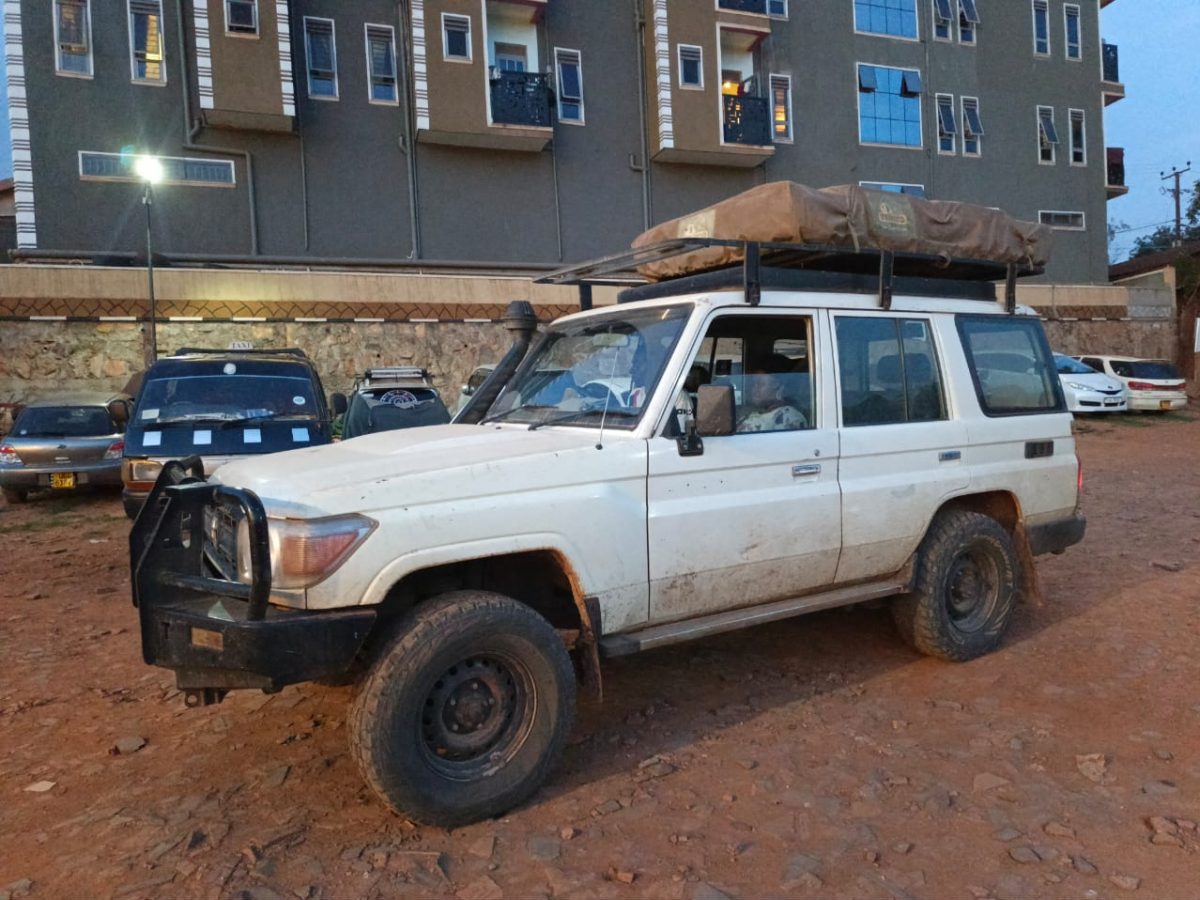
4×4 Car Rental in Uganda with Drop-Off in Arusha, Tanzania
The Complete Guide to One-Way, Cross-Border Self-Drive Safaris Between Uganda and Northern Tanzania
Pick up a 4×4 in Entebbe or Kampala, drive through Uganda’s parks, cross the border, and hand back the keys in Arusha — the gateway to the Serengeti, Ngorongoro Crater, and Kilimanjaro. This guide covers routes, vehicles, documents, costs, and a sample itinerary for planning a one-way Uganda-to-Tanzania self-drive safari.
Why Rent in Uganda and Drop Off in Arusha
A one-way rental turns a border crossing into the backbone of a safari rather than a logistical headache. Instead of driving out of Uganda and back again, or renting a second vehicle once you reach Tanzania, a single 4×4 carries you and your gear from Uganda’s forests and savannas all the way to the foot of Kilimanjaro. It suits travellers combining Uganda’s gorilla trekking and game parks with Tanzania’s northern circuit — Serengeti, Ngorongoro, Tarangire, and Lake Manyara — into one continuous overland journey.
- No backtracking. Every kilometre driven moves you toward the next destination instead of retracing the same road twice.
- One vehicle, two countries. You keep the same 4×4, roof tent, and camping kit for the entire trip rather than re-renting and re-packing at the border.
- A natural itinerary shape. Ending your Uganda leg in the southwest and crossing near Lake Victoria puts you within a few driving days of the Serengeti.
- Often better value. Once fuel, days, and the hassle of two separate rentals are factored in, a one-way cross-border hire is frequently cheaper than round-tripping in each country separately.
Choosing Your 4×4 for the Crossing
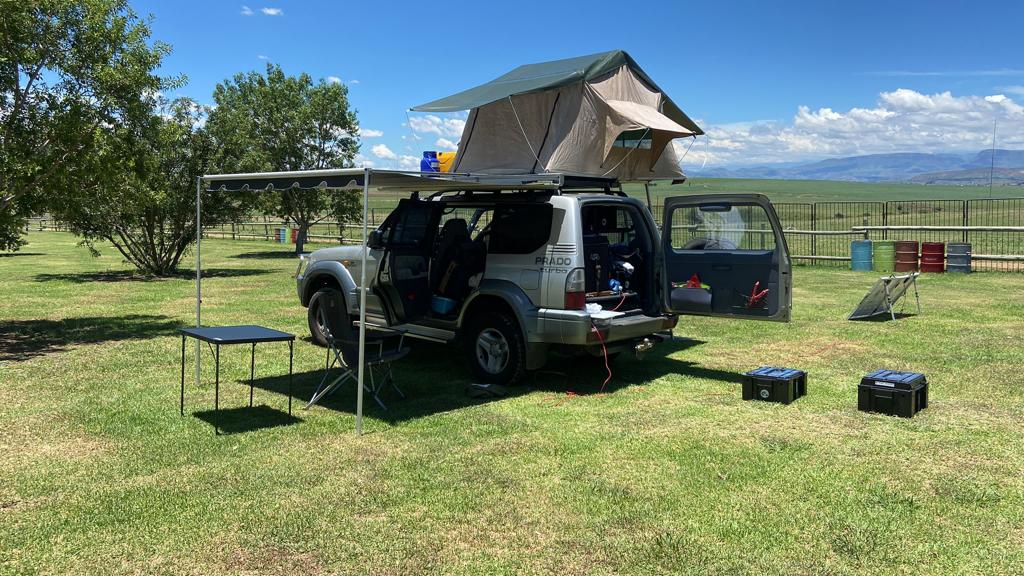
Cross-border rental companies generally restrict travel outside Uganda to a shortlist of rugged, well-maintained 4x4s — not every vehicle in a fleet is approved or insured for international travel. The table below compares the models most commonly used on the Uganda–Tanzania run.
| Vehicle | Best For | Indicative Rate* | Notes |
| Toyota RAV4 | Budget self-drivers on tarmac and moderate gravel | $70–$90/day | Compact and fuel-efficient; less suited to deep mud or very rough park tracks |
| Toyota Land Cruiser Prado | Comfort and reliability over long distances | $130–$160/day | The most popular all-rounder for the Uganda–Arusha run |
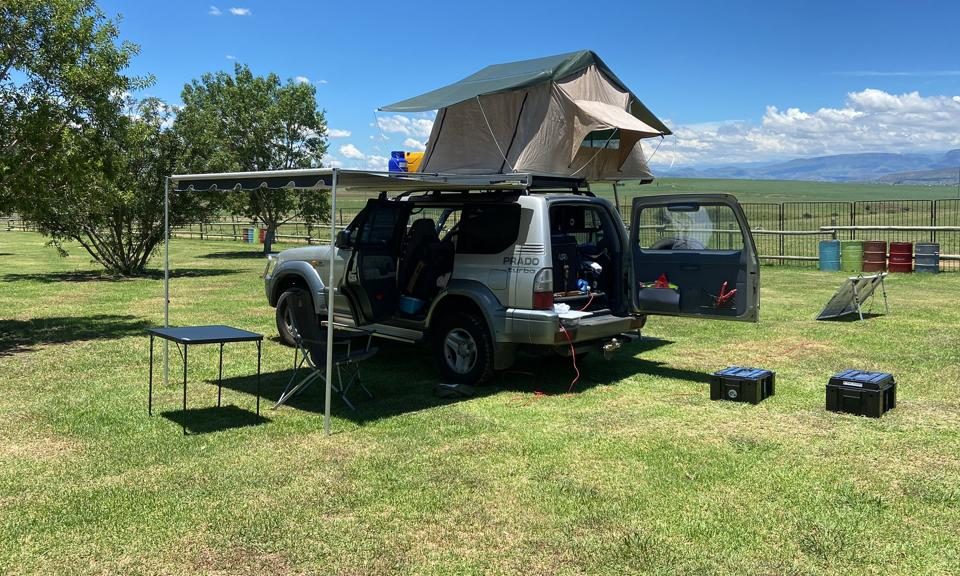
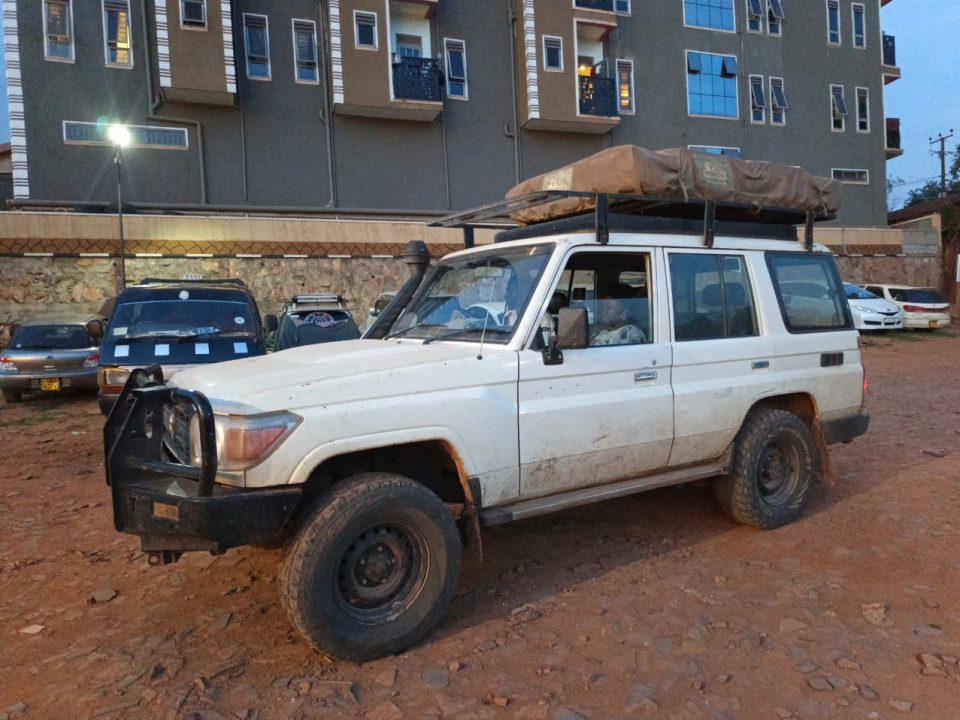
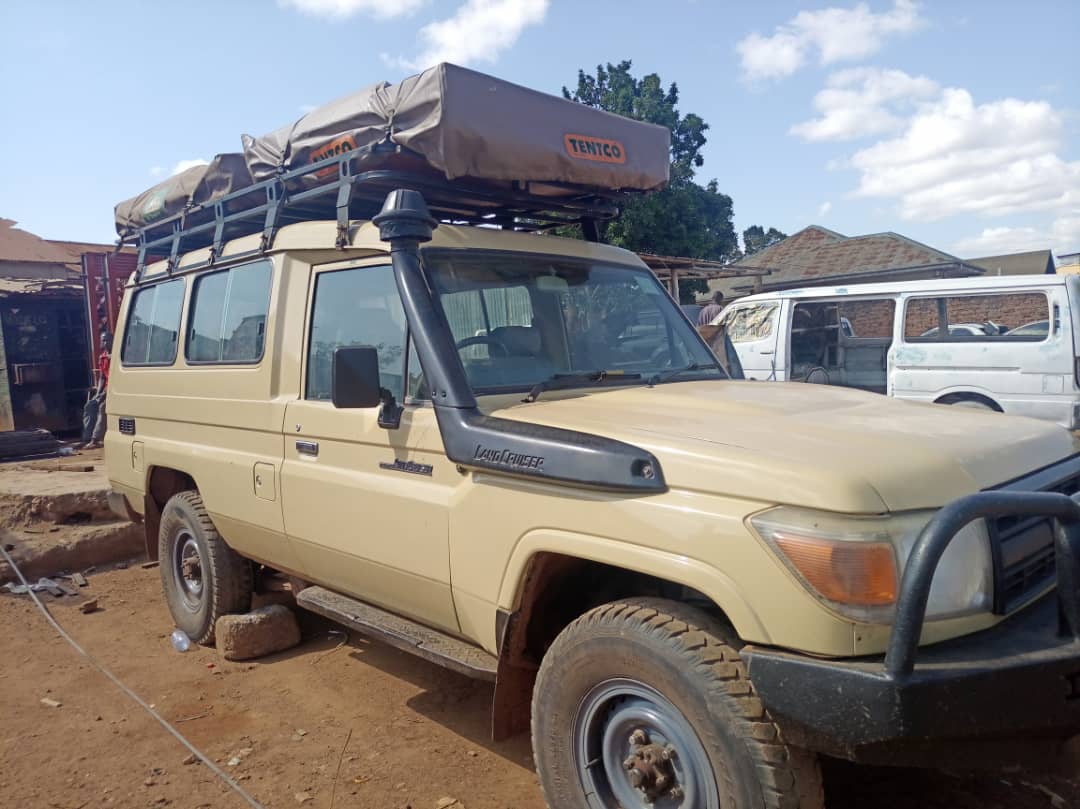
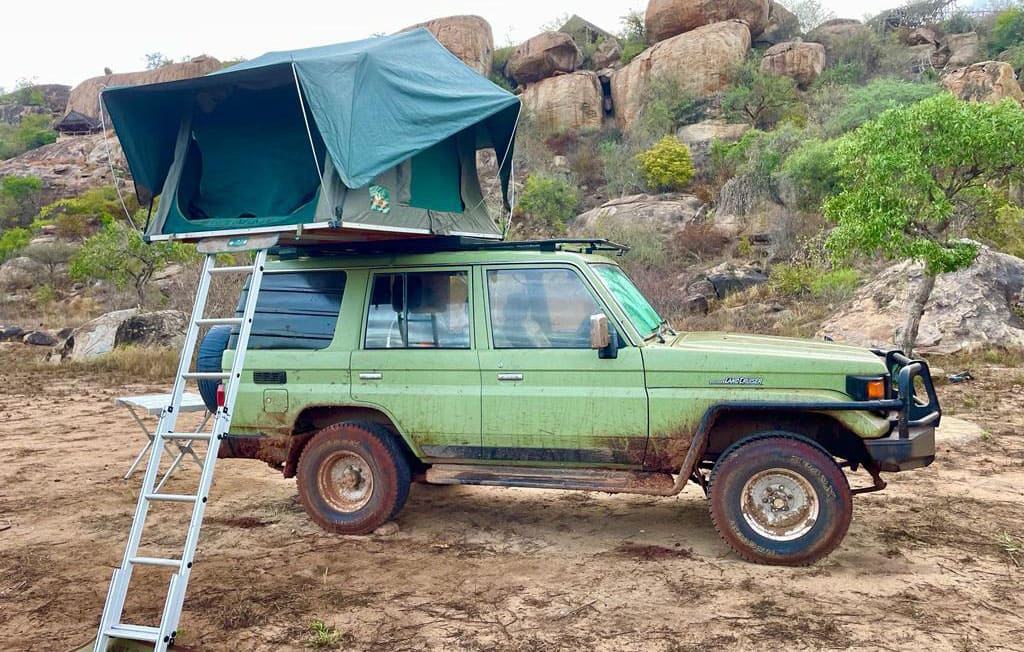
| Land Cruiser 76/79 Series + rooftop tent | Overlanding and self-contained camping | $150–$190/day | Best ground clearance; ideal if camping in Serengeti or Ngorongoro campsites |
| Toyota Hilux Double Cab | Rugged trips with extra cargo or camping gear | $110–$140/day | Strong payload capacity; widely serviceable across the region |
*Rates vary by company, season, and rental duration, and typically exclude fuel, cross-border surcharges, and one-way fees — always request an itemised quote.
| Confirm Cross-Border Approval Before You Book
Not every rental vehicle qualifies for cross-border travel. Ask the rental company to confirm in writing that the specific vehicle you are booking is approved and insured to leave Uganda, and that it is registered for travel into Tanzania — approval is usually tied to the vehicle, not just the rental class. |
Two Ways to Drive From Uganda to Arusha
There are two practical overland routes between Uganda and Arusha. Which one suits your trip depends on whether you want the drive itself to be part of the safari, or simply the fastest way to reposition the vehicle.
Route A — The Serengeti Route (via Mutukula)
Kampala/Entebbe → Masaka → Mutukula border → Bukoba → Mwanza → Serengeti National Park (Ndabaka Gate) → Ngorongoro Conservation Area → Arusha.
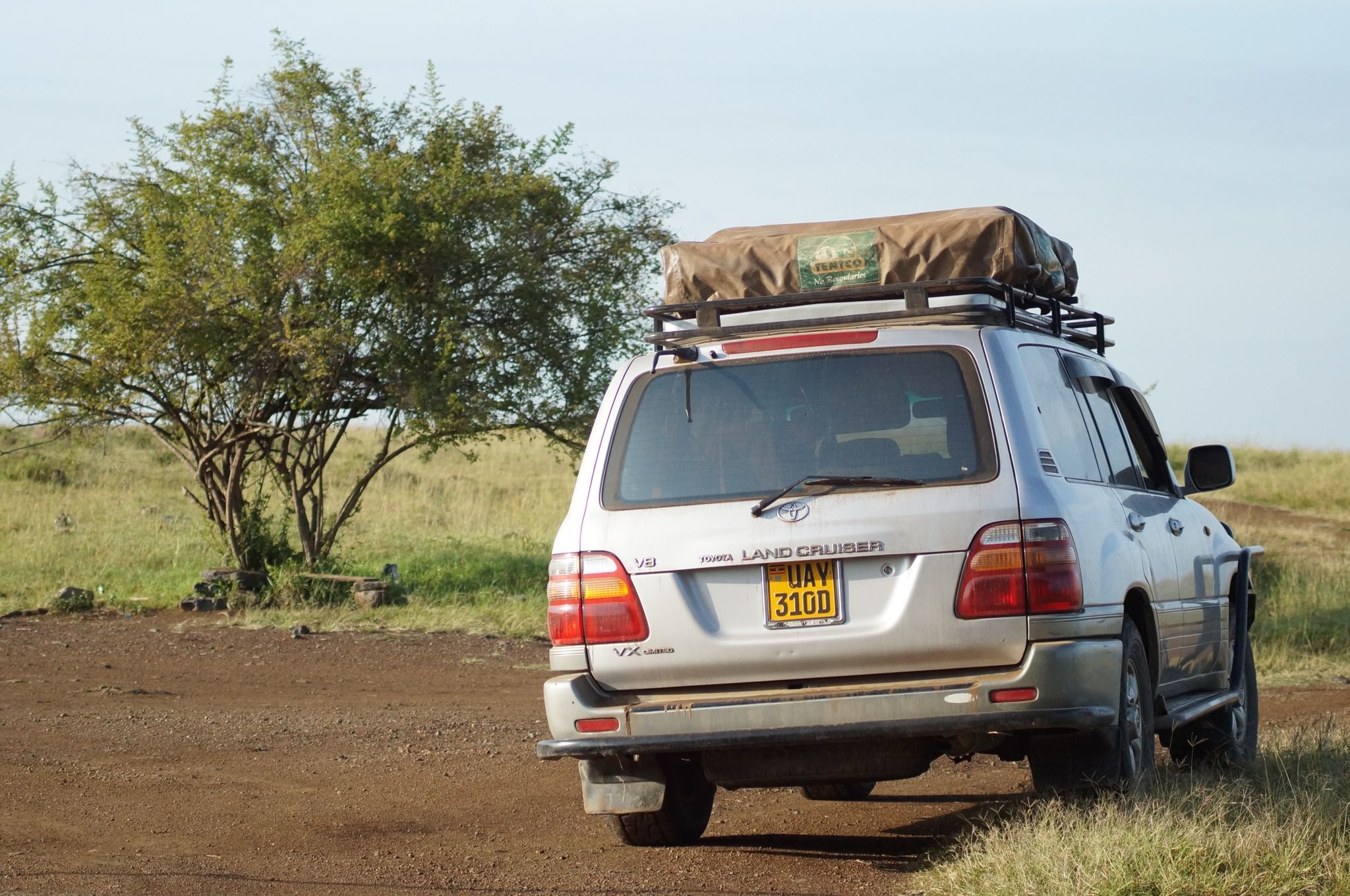
This is the scenic option and the one most self-drive safari operators recommend: a single border crossing at Mutukula (about 224 km south of Kampala), followed by a drive along Lake Victoria’s western shore to Mwanza, then straight through the Serengeti and over the Ngorongoro Crater rim to Arusha. Covered at a comfortable pace with stops, it becomes the spine of a full safari rather than a transfer.
Route B — The Kenya Route (via Malaba/Busia and Namanga)
Kampala → Malaba or Busia → Nairobi → Namanga border → Arusha.
This route is shorter in raw distance and largely on tarmac, but it crosses two international borders — Uganda into Kenya, then Kenya into Tanzania — which doubles the COMESA insurance, customs paperwork, and (potentially) visa costs. It suits travelers prioritising speed, or who want to combine the drive with time in Nairobi or the Maasai Mara.
| Route | Approx. Distance | Borders Crossed | Best For |
| A: Via Mutukula (Serengeti route) | ≈ 1,250–1,300 km | 1 (Uganda → Tanzania directly) | Travellers who want the Serengeti and Ngorongoro built into the drive itself |
| B: Via Kenya (Malaba/Busia + Namanga) | ≈ 1,100 km | 2 (Uganda → Kenya → Tanzania) | Travellers prioritising speed, or adding Nairobi / Maasai Mara |
Documents & Requirements for Crossing
Cross-border self-drive is straightforward once the paperwork is in order. Expect to need the following, in addition to your normal rental agreement:
- A passport valid for at least six months from your travel date
- A Uganda e-Visa used for entry — there is no visa-on-arrival option, so this must be arranged online in advance
- A separate Tanzania e-Visa (roughly $50–$100 depending on nationality). The East Africa Tourist Visa covers only Kenya, Uganda, and Rwanda — it does not cover Tanzania, so this is a genuinely separate application
- A valid driving licence, ideally paired with an International Driving Permit (IDP)
- A COMESA Yellow Card — the regional third-party motor insurance recognised at East African borders, typically arranged by the rental company
- A Letter of Authorization from the rental company or vehicle owner, permitting the specific vehicle to leave Uganda and enter Tanzania
- A copy of the vehicle’s logbook/registration to present at customs
- A Temporary Vehicle Import Permit, issued by Tanzanian customs at the point of entry
- A signed cross-border addendum to your rental agreement, confirming the approved route and return/drop-off terms
| Book Early for Cross-Border Trips
Give the rental company at least 3–5 days’ notice for a cross-border booking. COMESA insurance, the authorization letter, and vehicle paperwork all take time to prepare, and companies will decline last-minute requests to take a vehicle out of Uganda. |
What It Costs
Cross-border 4×4 rental is priced in layers: the base daily rate, a cross-border surcharge, a one-way/drop-off fee, and a handful of fixed document costs. Budget for all of them separately.
| Cost Item | Approx. Range | Notes |
| Vehicle rental (per day) | $70 – $190 | Depends on vehicle class — see comparison table above |
| Cross-border surcharge | $10 – $20/day | Covers the added risk and admin of the vehicle leaving Uganda |
| One-way / drop-off fee (Uganda → Arusha) | $250 – $600 | Varies by company, route, and how far the vehicle must be driven back afterward |
| COMESA Yellow Card | ≈ $50 / 30 days | Regional cross-border motor insurance |
| Tanzania e-Visa | $50 – $100 | Depends on nationality; not covered by the East Africa Tourist Visa |
| Foreign-registered vehicle park fees (Tanzania) | ≈ $20/day | Charged at Tanzanian national park gates for non-local vehicles |
| Fuel | Budget separately | Prices vary by country and fluctuate; carry a fuel budget buffer for remote stretches |
Always request a single, itemised written quote that includes every cross-border fee before booking — reputable companies will provide this without hesitation.
Sample 10-Day Uganda → Arusha Self-Drive Itinerary
A realistic pace for the Serengeti route (Route A), allowing time to actually enjoy the parks along the way rather than just transiting them.
| Day 1 | Entebbe / Kampala pickup
Collect the 4×4, check all cross-border paperwork, and drive toward southwestern Uganda. |
| Day 2 | Masaka → Mutukula border → Bukoba
Cross into Tanzania at Mutukula and continue to Bukoba on the shore of Lake Victoria for the first overnight. |
| Day 3 | Bukoba → Mwanza
Follow the lake southeast to Mwanza, Tanzania’s second-largest city and a natural overnight stop. |
| Day 4 | Mwanza → Serengeti (Ndabaka Gate)
Enter Serengeti National Park from the west and settle in for an afternoon game drive. |
| Days 5–6 | Serengeti National Park
Two full days of game drives through the central Seronera area or further north, depending on the season and wildlife movements. |
| Day 7 | Serengeti → Ngorongoro Crater rim
Drive to the crater rim, with a descent into the Ngorongoro Crater floor for a full day’s game drive. |
| Day 8 | Ngorongoro → Lake Manyara → Arusha
An optional stop at Lake Manyara National Park en route to Arusha. |
| Day 9 | Arusha
Drop off the vehicle, settle final paperwork, and spend the day in Arusha — or add a day trip to Arusha National Park. |
| Day 10 | Departure
Fly onward from Kilimanjaro International Airport (JRO). |
Crossing at Mutukula: What to Expect
- Uganda exit: present passports for immigration stamping and clear customs for the vehicle’s temporary export.
- Drive through the short no-man’s-land stretch between the two border posts.
- Tanzania entry: process your Tanzania e-Visa confirmation (or apply on the spot if not pre-arranged) and receive an entry stamp.
- Vehicle formalities: present the logbook copy, the rental company’s authorization letter, and proof of COMESA insurance; customs issues a Temporary Import Permit for the vehicle.
- Change currency or draw local cash if needed, and consider picking up a Tanzanian SIM card for data and navigation.
- Keep every stamped document — passport stamps, the import permit, and the insurance certificate — accessible for the rest of the trip and for re-entry checks.
Road Conditions & Driving Tips
- Kampala–Masaka–Mutukula (Uganda side): sealed tarmac in good condition for most of the route
- Mutukula–Bukoba (Tanzania side): tarmac, generally well maintained
- Bukoba–Mwanza: a mix of surfaces; some sections are rough or dusty, and travellers sometimes use the Kigongo–Busisi ferry to shortcut across the Mwanza Gulf rather than driving the long way round
- Mwanza–Serengeti: partly gravel, dustier in the dry season and can be slippery after rain
- Serengeti–Ngorongoro–Arusha: tarmac for most of the stretch, with unpaved sections inside the parks themselves
- Stick to daylight driving — wildlife, unlit trucks, and unmarked potholes make night driving on rural stretches genuinely risky
- Engage 4×4 low range on Serengeti and Ngorongoro park tracks, especially after rain
- Carry two spare tyres, a full tool kit, and extra fuel for the more remote stretches between Bukoba and Mwanza
Best Time to Travel
The dry seasons — roughly June to October and December to February — offer the best road conditions on the unpaved sections around Mwanza and inside the Serengeti, along with easier wildlife viewing. The long rains (March to May) can make the Bukoba–Mwanza and Mwanza–Serengeti stretches considerably harder going, so build extra time into the schedule if travelling then.
Packing Checklist
- All original and copied travel documents (passport, visas, driving licence/IDP, COMESA card, authorization letter, logbook copy) in a single, accessible folder
- Two spare tyres and a full tool kit
- Extra fuel in approved jerry cans for remote stretches
- Offline maps or a GPS unit, plus a paper map as backup
- Small-denomination US dollars and some local currency for both countries
- First-aid kit and basic vehicle recovery gear (tow rope, jack, tyre repair kit)
- Drinking water and a cooler box for the longer driving days
- A power bank or solar charger for phones and navigation devices
Safety & Practical Tips
- Confirm in writing that your insurance is comprehensive in Tanzania as well as Uganda, not just third-party COMESA cover
- Share your route and daily plan with the rental company and a contact at home; keep their emergency number saved
- Slow down for wildlife on park access roads — animals cross unpredictably, especially at dawn and dusk
- Use official bank or hotel counters to change currency at border towns rather than informal street changers
- Keep fuel topped up whenever possible; stations can be sparse between Bukoba and Mwanza
Choosing the Right Cross-Border Rental Company
Not every Uganda rental company supports cross-border travel, and standards vary among those that do. Before booking, confirm:
- COMESA insurance and the authorization letter are included and arranged well before pickup
- 24/7 roadside assistance is available across both Uganda and Tanzania, not just within Uganda
- The one-way/drop-off fee is stated clearly upfront, with no surprise charges at handover
- The company has demonstrable experience with the specific Uganda–Arusha route, including current knowledge of border procedures
- The rental agreement explicitly names the approved route and countries — verbal assurances are not enough
Frequently Asked Questions
Can I really pick up a 4×4 in Uganda and drop it off in Arusha?
Yes. A number of Uganda-based rental companies offer this as a standard one-way, cross-border service, provided the vehicle is booked and approved for international travel in advance.
Do I need a separate visa for Tanzania?
Yes. The East Africa Tourist Visa covers only Kenya, Uganda, and Rwanda. Tanzania requires its own e-Visa, applied for separately and in addition to whichever visa you use to enter Uganda.
How far in advance should I book a cross-border rental?
At least 3–5 days, and ideally longer in peak season. The rental company needs time to arrange COMESA insurance, the authorization letter, and vehicle paperwork, and not every vehicle in a fleet is cleared for cross-border travel.
Which route is better — via Mutukula or via Kenya?
The Mutukula route is the better choice if you want the Serengeti and Ngorongoro Crater built directly into the drive and prefer a single border crossing. The Kenya route is shorter and largely tarmac but involves two border crossings and doubled paperwork — it suits travellers prioritising speed or combining the trip with Nairobi or the Maasai Mara.
Do I need an International Driving Permit?
A valid driving licence is the minimum requirement, but pairing it with an International Driving Permit is strongly recommended for cross-border travel and is sometimes requested at checkpoints.
What happens if the vehicle breaks down in Tanzania?
Reputable cross-border rental companies provide roadside assistance covering the approved route in both countries. Confirm this coverage, and the response process for a breakdown outside Uganda, before you depart.