
4×4 Car Rental with Rooftop Tent for 2 People in Uganda
The complete guide to choosing, renting, and camping out of a 4×4 rooftop tent vehicle for a couple or two-person trip across Uganda’s national parks
For two people planning a self-drive safari in Uganda, a 4×4 fitted with a rooftop tent is one of the most practical ways to travel. It combines the independence of driving yourself between parks with the simplicity of carrying your accommodation on your roof rack, so there is no need to book campsites months in advance, pitch a ground tent in the dark, or worry about what is crawling around at ankle height once the sun goes down. This guide walks through the vehicles best suited to two travelers, what a rooftop tent rental package typically includes, realistic costs, where to rent, the best parks for rooftop camping, a sample week-long route, and the practical details — permits, deposits, packing, and safety — that make the difference between an easy trip and a frustrating one.
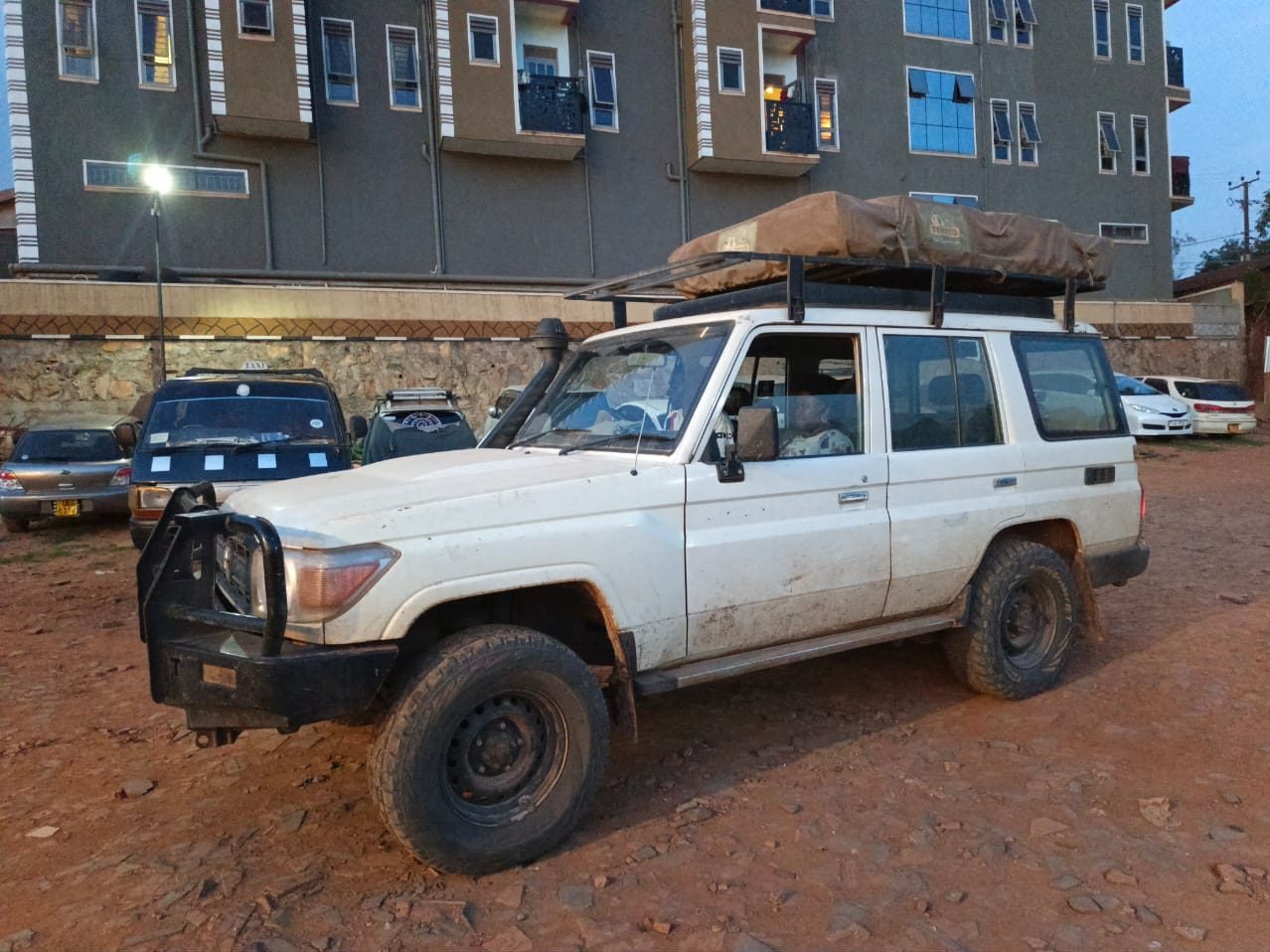 Why Choose a 4×4 with a Rooftop Tent for Two People
Uganda’s national parks are connected by a mix of tarmac and murram (gravel) roads, and several of the best game-viewing circuits — parts of Murchison Falls, Kidepo Valley, and the tracks inside Queen Elizabeth National Park — are only comfortably passable in a high-clearance 4×4. Renting a vehicle already fitted with a rooftop tent solves two problems at once: it gives you the ground clearance and off-road capability the terrain demands, and it removes the need to separately hire or buy camping gear, find storage for a ground tent, or negotiate for extra luggage space.
- A rooftop tent keeps two sleepers off the ground, away from insects, damp soil, and the small animals that move through campsites at night.
- Set-up and pack-down typically take five to ten minutes once you are used to the mechanism, which matters when you are trying to reach camp before dark.
- For two people, a single rooftop tent is usually enough sleeping space, which keeps the rental vehicle smaller, cheaper to fuel, and easier to manoeuvre than a truck set up for four or six travellers.
- Camping fees inside Uganda Wildlife Authority campsites are a fraction of lodge rates, so a rooftop tent set-up can cut accommodation costs by 60–80% over a two-week trip.
- You retain full flexibility to change your route, extend a stop, or move on early — something that is harder to do once you have prepaid a string of lodge bookings.
Best 4×4 Vehicles with Rooftop Tents for Two People
Rental companies in Uganda generally offer a handful of 4×4 models fitted with rooftop tents, and for two travellers the mid-size options are usually the better fit — enough ground clearance and a single rooftop tent, without paying for capacity you will not use. The table below compares the models most commonly available.
| Vehicle | Rooftop Tent | Ground Clearance | Best For | Approx. Daily Rate (USD) |
| Toyota RAV4 4×4 | 2-person hard or soft-shell tent | Moderate | Budget-conscious couples sticking to Lake Mburo, Queen Elizabeth main circuit | $60 – $90 |
| Toyota Land Cruiser Prado | 2-person soft-shell tent | High | Couples wanting comfort plus real off-road capability | $100 – $150 |
| Toyota Hilux Double Cab | 2-person tent with annex option | High | Rougher tracks (Kidepo, remote Murchison sectors) | $90 – $130 |
| Toyota Land Cruiser 76/79 Series | 2-person tent, dual battery, long-range tanks | Very High | Longer, more remote self-drive routes | $140 – $200 |
Rates vary by season, rental duration, and how much gear is included, and most companies quote a self-drive rate excluding fuel, park entry fees, and a refundable security deposit. Renting for two weeks or longer usually brings the daily rate down noticeably compared with a three- or four-day hire.
What’s Included in a 4×4 Rooftop Tent Rental Package
A well-equipped rooftop tent rental for two people should arrive largely camp-ready. It is worth confirming the exact inventory in writing before you collect the vehicle, since packages differ between companies.
The Rooftop Tent Itself
- A built-in mattress sized for two adults, usually 1.4m to 1.6m wide
- A telescopic access ladder
- A rainfly and mesh windows for ventilation and insect protection
- A tent cover for driving with the tent folded down
Camping and Kitchen Equipment
- Folding table and two camp chairs
- Gas cooker or camping stove with a spare gas canister
- Cooler box or a built-in fridge/freezer on higher-end vehicles
- Basic cookware, plates, cups, and cutlery for two
- Jerry cans for extra water and, often, extra fuel
- A portable camping light or solar lantern
Vehicle Extras
- Roof rack and, on some vehicles, a rear ladder or side awning
- Spare tyre (some companies supply two on remote-route vehicles), jack, and full tool kit
- First aid kit and a fire extinguisher
- A dual battery system on higher-spec vehicles, so camp lighting and the fridge do not drain the starter battery
- Optional add-ons: a satellite phone or tracker, a second spare tyre, GPS unit, and a driver-guide if you would rather not self-drive the more technical sections
Rental Costs: What to Budget
Alongside the daily vehicle rate, plan for a handful of additional costs that are usually quoted separately.
| Cost Item | Typical Range | Notes |
| Vehicle + rooftop tent hire | $60 – $200 / day | Depends on model and season; long-term hire is discounted |
| Security deposit | $500 – $1,500 | Refundable; usually held on a credit card |
| Fuel | Not included | Diesel is generally more available than petrol outside Kampala |
| Comprehensive insurance / CDW | $10 – $25 / day | Confirm the excess amount before you sign |
| Airport / hotel delivery and collection | $0 – $50 | Many companies include this within Kampala or Entebbe |
| National park entry fees | Varies by park and nationality | Paid separately to Uganda Wildlife Authority |
| Campsite fees | $10 – $25 per person per night | UWA public campsites are cheaper than private community campsites |
Where to Rent a 4×4 with Rooftop Tent in Uganda
Most 4×4 rooftop tent rental companies operate out of Kampala or Entebbe, since both are convenient for pickup after an international flight into Entebbe International Airport. Typical arrangements include:
- Free or low-cost delivery and collection at Entebbe Airport or a Kampala hotel
- A pre-departure briefing covering the rooftop tent set-up, 4×4 controls (low range, diff-lock where fitted), and basic troubleshooting
- 24-hour phone support for breakdowns, with many companies offering roadside recovery within a set radius of major routes
- The option to extend your rental mid-trip if plans change, subject to availability
It is worth booking at least four to six weeks ahead in the July–September and December–January peak seasons, when the more popular rooftop tent vehicles are booked out well in advance.
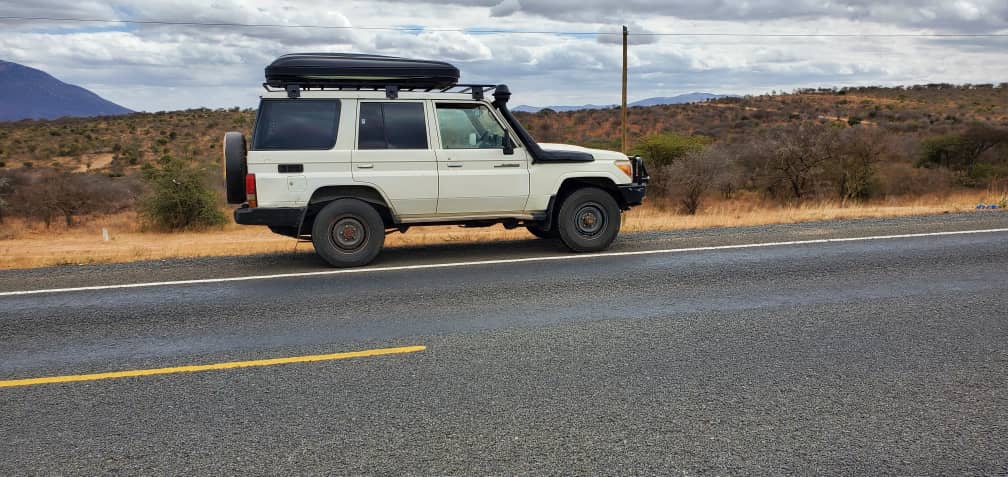
Best Destinations for Rooftop Tent Camping in Uganda
Uganda’s national parks each offer official Uganda Wildlife Authority campsites, and a number have private or community-run sites nearby with better facilities. For a two-person rooftop tent trip, the following are the standout choices.
Lake Mburo National Park
The closest major park to Kampala (roughly 3.5 hours), making it a good first or last stop. It is one of the few Ugandan parks where walking safaris are permitted, and the campsites around Rwonyo are well suited to a first night learning the rooftop tent set-up before heading further afield.
Queen Elizabeth National Park
A large, varied park combining savannah game drives, the Kazinga Channel boat cruise, and the Ishasha sector’s tree-climbing lions. Campsites near Mweya and in the Ishasha sector both work well for two people, and the road network within the park is generally manageable in a 4×4 without technical off-roading.
Murchison Falls National Park
Uganda’s largest national park, split by the Victoria Nile, with dramatic river scenery at the falls themselves and strong game viewing on the northern bank. Rooftop tent camping at sites like Red Chilli or the UWA campsites near Paraa puts you close to early-morning game drives before the heat sets in.
Kidepo Valley National Park
Remote, rugged, and considerably less visited than Uganda’s southern parks, Kidepo rewards the extra driving distance (around 10–11 hours from Kampala) with wide-open valley scenery and wildlife not found elsewhere in the country, including cheetah. This is where the higher-clearance Land Cruiser or Hilux options are worth the extra daily rate.
| Good to Know
• Combine a rooftop tent circuit with one or two nights in a lodge — for example after a long driving day into Kidepo — to break up the trip without giving up the self-drive flexibility. • Gorilla trekking areas (Bwindi, Mgahinga) have steep, forested access roads; many self-drivers park at a lodge and join a guided vehicle for the final stretch rather than camping directly at the trailhead. |
Sample 7-Day Rooftop Tent Self-Drive Itinerary for Two
A realistic week-long loop from Kampala, mixing driving days with time in camp:
| Day | Route | Overnight |
| 1 | Kampala → Lake Mburo National Park | Rooftop tent, Rwonyo campsite |
| 2 | Morning walking safari, then Lake Mburo → Queen Elizabeth NP (Mweya area) | Rooftop tent, Mweya campsite |
| 3 | Kazinga Channel boat cruise, afternoon game drive | Rooftop tent, Mweya campsite |
| 4 | Queen Elizabeth → Ishasha sector (tree-climbing lions) | Rooftop tent, Ishasha campsite |
| 5 | Ishasha → Fort Portal area (rest day / crater lakes, optional lodge night) | Lodge or campsite |
| 6 | Fort Portal → Kampala, or extend north toward Murchison Falls if time allows | Rooftop tent or Kampala |
| 7 | Return vehicle in Kampala / Entebbe | — |
Travellers with ten days or more can extend this loop to include Murchison Falls National Park in the north, or swap Fort Portal for a direct return to allow an extra night at Ishasha, which has some of the best off-the-beaten-path camping in the park.
Rooftop Tent Camping Tips and Safety for Two
Setting Up Camp
- Arrive at your campsite with at least an hour of daylight remaining — most parks require vehicles off the game-viewing tracks by dusk in any case
- Park on level ground where possible; most rooftop tents cope with a slight slope, but a level pitch sleeps far better
- Practise folding the tent up and down once at the rental depot before you leave, so you are not learning it for the first time in the dark
Wildlife Safety
- Never leave food, including fruit, inside the tent overnight — store it in the vehicle or a sealed cooler box
- Zip the tent fully closed at night, even in warm weather; a rooftop tent’s height keeps you well above ground-level animals, but insects and curious primates can still find an open flap
- Use the ladder torch or headlamp for any night-time trip down from the tent, and check the immediate area before descending in unfenced campsites
- Follow campsite guidance on elephants and buffalo, which do pass through some campsites at night, particularly in Murchison Falls and Queen Elizabeth
Weather and Roads
- Murram roads become slippery and, in places, impassable in heavy rain — build slack into your schedule during the March–May and October–November wet seasons
- Carry a printed or downloaded offline map in addition to GPS, since mobile signal drops out across large sections of the northern parks
- Engage 4×4 high range as a default on gravel and murram roads, reserving low range for steep or heavily rutted sections
Packing Checklist for Two
| Essentials Beyond the Standard Rental Inventory
• Sleeping bags or a bedroll liner, even though the mattress is provided — nights can be cool at higher elevations • Head torches for each traveller, plus spare batteries • Insect repellent and a basic first-aid kit for personal medication • Reusable water bottles and water purification tablets as a backup to jerry can water • Layered clothing — early mornings in the parks are cool, midday is hot • A dry bag or waterproof cover for electronics during the wet season • Cash in Ugandan shillings for park entry, campsite fees, and small purchases, since card payment is unreliable outside Kampala |
Requirements for Renting a 4×4 with Rooftop Tent
| Requirement | Typical Standard |
| Minimum driver age | 23–25 years, varies by company |
| Driving experience | At least 2–3 years, with 4×4 experience preferred for remote parks |
| Licence | Valid national driving licence; an International Driving Permit is recommended |
| Identification | Passport (and visa/entry permit where applicable) |
| Payment | Credit card for the refundable security deposit |
| Insurance | Confirm whether comprehensive cover and the excess amount are included or optional |
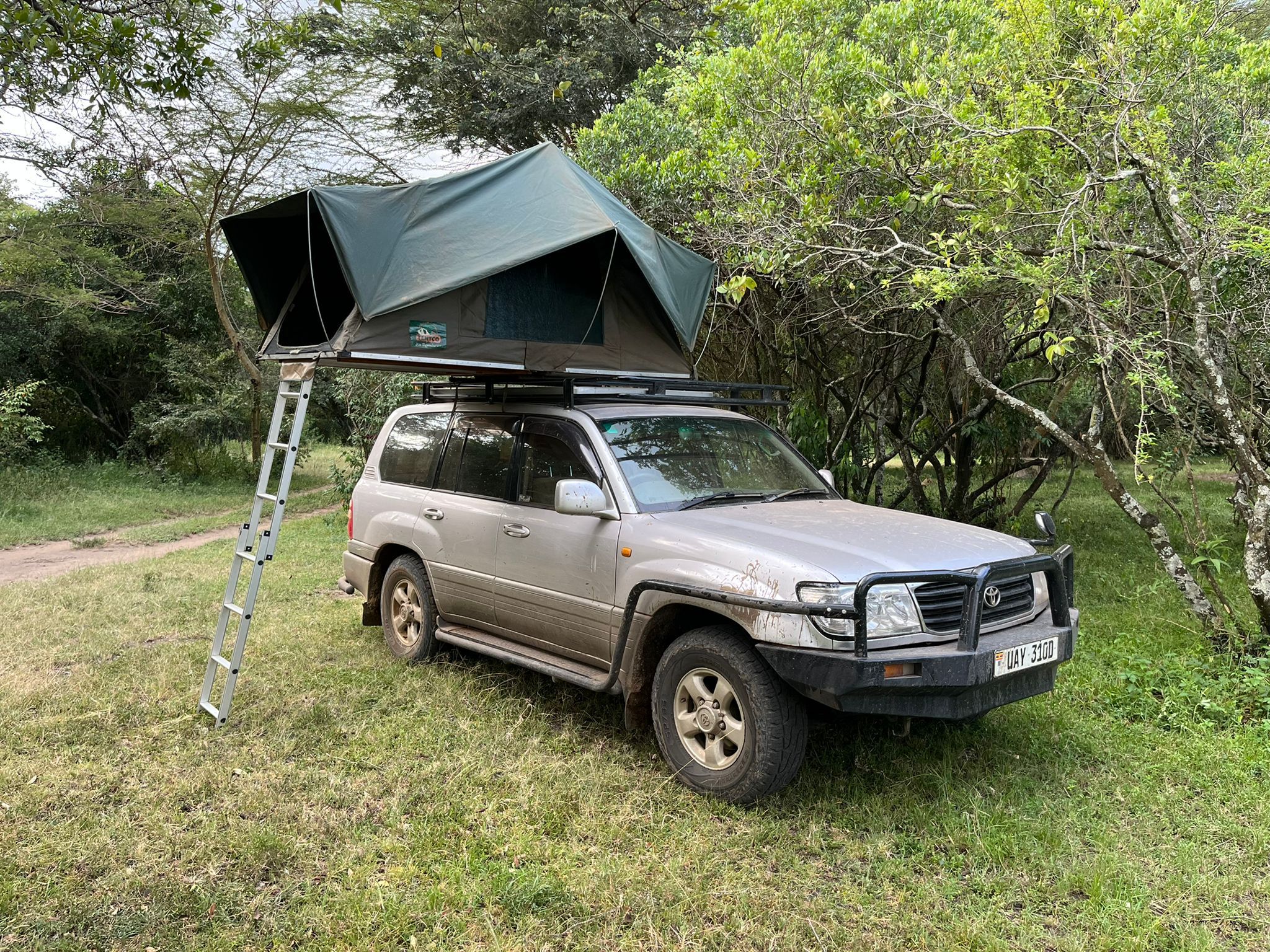 Best Time of Year for Rooftop Tent Camping
Uganda’s two dry seasons — December to February and June to September — offer the easiest driving conditions and the most reliable rooftop tent camping, with firmer roads and less rain to contend with at pitch-up and pack-down. The wetter months (March–May and October–November) bring lower rates and quieter parks, but travellers should budget extra time for slower, muddier roads, particularly in Kidepo Valley and the more remote sectors of Murchison Falls.
Frequently Asked Questions
Is a rooftop tent comfortable for two adults?
Most rooftop tents designed for two people use a mattress between 1.4m and 1.6m wide, comparable to a small double bed, and the elevated, enclosed design generally sleeps better than a ground tent of similar size.
Do I need 4×4 driving experience?
Basic manual driving competence is enough for the main tarmac and well-graded murram routes. For Kidepo Valley or the more remote tracks in Murchison Falls, prior experience with low-range 4×4 driving — or hiring a driver-guide for those sections — is strongly recommended.
Can I combine rooftop tent camping with lodge stays?
Yes, this is a common approach. Many two-person trips mix rooftop tent nights in the parks with a lodge stay for a rest day, a hot shower, or gorilla trekking areas where vehicle access to campsites is limited.
Is fuel included in the rental price?
No, fuel is paid separately and is the traveller’s responsibility. Diesel vehicles are generally easier to refuel outside Kampala, since diesel stations are more widespread than petrol along the main park routes.
How far in advance should I book?
For the June–September and December–January peak seasons, book four to six weeks ahead. Outside peak season, two to three weeks’ notice is usually sufficient.
Final Thoughts
A 4×4 with a rooftop tent strikes a practical balance for two people travelling around Uganda: enough vehicle capability to handle the parks that matter, enough camping comfort to make a week or two on the road genuinely enjoyable, and a level of flexibility that lodge-based itineraries cannot match. Choosing the right vehicle for your route, confirming exactly what is included in the rental package, and building a realistic pace into the itinerary are the three things most likely to determine whether the trip feels like an adventure or a slog — get those right, and a rooftop tent self-drive is one of the best ways to experience Uganda’s parks.