- 4x4 Selfdrive Uganda
- +256 701819223
- +256 774819223
- info@4x4selfdriveuganda.com

How Long Does It Take to Travel from Mabamba to Lake Bunyonyi
November 10, 2026Which East African Safari Should You Choose: Uganda, Kenya or Tanzania?
Planning answer
Choose Uganda if gorilla or chimpanzee trekking and a mix of forest, savannah, lakes and adventure matter most. Choose Kenya for a classic savannah safari centered on places such as the Maasai Mara or Amboseli. Choose Tanzania for a broad northern-circuit trip built around the Serengeti, Ngorongoro and Tarangire. These are useful starting points, not rankings: the right country depends on the wildlife you most want to see, the time you have, your travel style and your budget.
This guide compares the three countries for a real trip, including the practical trade-offs that are easy to miss when you compare only famous park names. Park tariffs, permits, entry requirements, transport options and seasonal wildlife patterns can change. Confirm them with the relevant official authority and your operator for your dates.

At a glance: which country fits your safari?
| If your priority is… | Start by considering… | Why |
| Mountain gorillas or chimpanzees | Uganda | Gorilla trekking in Bwindi or Mgahinga and chimpanzee tracking in places such as Kibale can anchor a varied trip. |
| Classic open-plains game drives | Kenya or Tanzania | Both offer renowned savannah destinations, predators and large herbivores. Your preferred parks and season decide between them. |
| The Great Migration | Kenya or Tanzania | The migration moves through the Serengeti ecosystem and into the Maasai Mara as conditions change; sightings and crossings are never scheduled. |
| A varied trip of forest, lakes and savannah | Uganda | Several different landscapes and activities can be combined, provided the itinerary allows for transfers. |
| A multi-park northern safari circuit | Tanzania | The Serengeti, Ngorongoro Conservation Area and Tarangire are commonly planned together. |
| Elephants with possible Kilimanjaro views | Kenya | Amboseli is well known for elephants; mountain visibility depends on weather. |
| Safari plus Indian Ocean coast | Kenya or Tanzania | Both can pair wildlife travel with coastal stays; Tanzania itineraries may include Zanzibar. |
What makes Uganda different?
Uganda combines forest primates with savannah wildlife and water-based experiences. A trip might include a gorilla trek, a chimpanzee walks, a game drive, a boat outing and time beside a lake. The official Uganda Tourism Board (https://utb.go.ug/) presents gorilla trekking, adventure and wildlife experiences among the country’s main attractions.
Gorilla and chimpanzee trekking
Bwindi Impenetrable National Park and Mgahinga Gorilla National Park are the places to consider for mountain gorilla trekking. The activity involves walking through forest with authorized trackers and guides; terrain, weather and the time needed to locate a group vary. It is a guided wildlife encounter rather than a drive-up viewing stop. Secure a permit before building the rest of the trip around a trek, and confirm current prices, rules and availability with the Uganda Wildlife Authority (UWA) at https://ugandawildlife.org/uwa-rates/.
Kibale National Park is a leading choice for chimpanzee tracking. Chimpanzees move through the forest and can be active overhead as well as on the ground, so the encounter differs from a gorilla visit. Availability, age rules and activity conditions should be checked for the exact date.
Savannah parks, rivers and lakes
Uganda also offers game drives and boat trips. Queen Elizabeth National Park is known for the Kazinga Channel; Murchison Falls combines savannah habitats with the Nile; Lake Mburo is a more compact savannah option; and Kidepo Valley offers a remote, rugged setting. Birdwatching, hiking, rafting and lakeside stays can add variety beyond wildlife viewing.
The Uganda trade-off
The parks and regions are spread across the country. A route that tries to include Murchison Falls, Kibale, Queen Elizabeth and Bwindi can spend a substantial part of the holiday in transit. For many visitors, choosing two or three regions and allowing time to enjoy them is more rewarding than trying to tick off every major park. Ask a guide to confirm the route, road conditions, journey time and suitable overnight stops before booking.

What makes Kenya different?
Kenya is a strong choice for travelers picturing a classic savannah safari: open landscapes, game drives and well-known wildlife areas. The Maasai Mara, Amboseli, Lake Nakuru, Tsavo and Samburu offer distinct settings. Kenya can also pair a safari with a coast holiday, depending on available days and transport.
Maasai Mara and the Great Migration
The Maasai Mara is famous for its open grasslands, predators and large herbivores. It is part of the wider Serengeti–Mara ecosystem, where wildebeest, zebra and other grazers move in response to rainfall and grazing. Herd locations shift; river crossings are unpredictable. Plan around the broad seasonal pattern if migration viewing is important, but be wary of anyone promising a crossing on a particular day.
The reserve’s entry charges and conditions are managed separately from Kenya Wildlife Service national-park tariffs. Fees can vary by date, visitor category and where you stay. Check the current rules with the relevant reserve authority and confirm what your accommodation or safari quote includes before paying.
Amboseli, Tsavo and other options
Amboseli is especially appealing to elephant enthusiasts and photographers. Mount Kilimanjaro lies across the border in Tanzania, and views from Amboseli depend on cloud and visibility. Tsavo East and Tsavo West offer extensive landscapes; Lake Nakuru is known for rhinos, birdlife and scenic viewpoints; and Samburu provides a drier northern setting with species adapted to that environment. Nairobi National Park can suit travelers with limited time near the capital.
The Kenya trade-off
Famous reserves can be expensive, particularly in busy periods, and transport between far-apart areas can make a short itinerary feel rushed. Compare the full package: reserve or park fees, accommodation, vehicle and guide, meals, transfers and any flights. A lower nightly room rate does not necessarily mean a lower total safari cost.
What makes Tanzania different?
Tanzania suits travelers who want broad wilderness landscapes and a multi-park safari. The northern circuit commonly includes Tarangire, the Ngorongoro Conservation Area and the Serengeti. Other options include Lake Manyara, Mount Kilimanjaro, southern parks and the Indian Ocean islands.
Serengeti and Ngorongoro
The Serengeti is a vast ecosystem with strong wildlife viewing and a central role in the Great Migration. Which part of the park makes sense depends on the month, road plan, accommodation and where herds are likely to be. A wildlife encounter is never guaranteed, even in a celebrated park.
The Ngorongoro Conservation Area offers a different landscape and visitor experience from a national park. Its crater is renowned for wildlife viewing, but entry, vehicle, crater-service and overnight arrangements may involve distinct rules or charges. Ask for an itemized itinerary so you can see what is included.
Tarangire and beyond
Tarangire is associated with elephants and baobab-studded scenery. Depending on trip length, travelers may add Lake Manyara, a climb on Kilimanjaro or a beach extension to Zanzibar. Each addition means more transport planning; do not assume that locations that look close on a map are quick transfers by road.
The Tanzania trade-off
The northern circuit can be a satisfying safari, but its scale makes route design important. A good plan chooses the right Serengeti area for the season and gives enough time to each stop. Accommodation location, park entry windows and transfer logistics affect how much time is actually spent viewing wildlife.
How should you compare wildlife?
| Experience | Uganda | Kenya | Tanzania |
| Mountain gorillas | Major reason to visit; Bwindi and Mgahinga | Not a standard safari activity | Not a standard safari activity |
| Chimpanzees | Strong option, especially Kibale | Available in specialist settings, not the main safari focus | Available in western parks such as Gombe and Mahale |
| Lions, elephants and other savannah wildlife | Available in several parks; sightings vary by place and conditions | Strong options in the Mara, Amboseli, Tsavo and other reserves | Strong options in the Serengeti, Tarangire and other parks |
| Great Migration | Not the main destination | The Mara receives herds during part of the wider migration cycle | The Serengeti is central to the wider migration ecosystem |
| Rhinos | Ziwa offers a managed rhino-tracking experience; check access and current rules | Lake Nakuru and other protected locations offer rhino viewing | Rhinos are protected in selected areas; sightings are not assured |
| Birds and varied landscapes | Wetlands, forest, lakes and savannah | Parks, lakes, highlands and drylands | Savannah, woodland, crater and coastal environments |
This is a planning comparison, not a promise of sightings. Wildlife moves freely, habitats differ, and season and local conditions matter. Ask an experienced guide which parks are best for your specific target species and dates.
When should you go?
There is no single “best month” for all three countries. Weather patterns, road conditions, vegetation, animal movements, visitor numbers and activity availability all affect the experience. The right season depends on what you want to do.
- For the Great Migration, choose travel dates and the relevant region together. The herds move through the Serengeti and Mara ecosystem; exact locations and river crossings cannot be guaranteed.
- For gorilla or chimpanzee trekking in Uganda, check permit availability and current forest conditions for your dates. Trails can be muddy and the trek can be physically demanding in any season.
- For photography, consider light, vegetation, dust, rain and the amount of time you have at each site, not just a month name.
- For fewer crowds or a lower quoted price, ask operators about shoulder or lower-demand periods and check what trade-offs apply to weather, road access and wildlife viewing.
Choose the wildlife or activity first, then compare dates with official park information and a guide who knows the destination. Treat seasonal calendars as a guide rather than a guarantee.
How much time do you need?
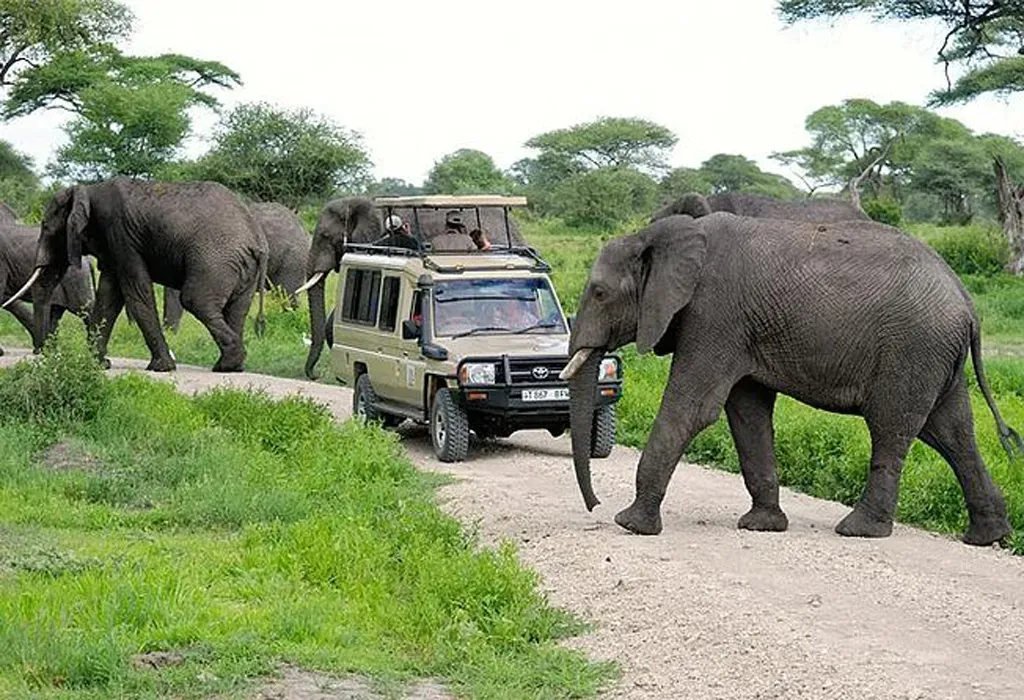
The right trip length depends on whether you are visiting one country or combining several, and whether you plan to drive, fly between regions or use a guided vehicle. A short visit is usually best built around one main area or experience. With more days, add a second region and a rest day rather than filling every day with a transfer.
| Time available | A sensible planning approach |
| A few days | Focus on one compact area or one major activity. Avoid a multi-region road itinerary. |
| About a week | Build around one primary experience and one nearby or complementary stop. |
| Around 10 days | Allow room for a more varied single-country itinerary, including transfer and recovery time. |
| Two weeks or more | A broader route or a carefully chosen two-country trip may be possible. Confirm logistics before adding another country. |
These are broad itinerary-planning ranges, not prescribed routes. A gorilla permit, seasonal wildlife goal, flight connection or border crossing can change the plan. A guide should confirm every road transfer and overnight stop before publication or booking.
Can you combine Uganda, Kenya and Tanzania?
Yes, but more countries do not automatically make a better holiday. Combining destinations works best when each country has a clear purpose—for example, gorilla trekking in Uganda and a savannah safari in Kenya. Adding Tanzania may make sense if the Serengeti or Ngorongoro is a priority and you have enough time for transfers, border formalities and the extra cost.
Check visas and entry rules for every traveler
Requirements depend on nationality, passport and route. Uganda’s official immigration service describes the East African Tourist Visa as covering Uganda, Kenya and Rwanda, not Tanzania; it is valid for 90 days and costs US$100 according to the current official page. The first-entry country must issue it. Read the Uganda immigration guidance (https://www.immigration.go.ug/services/east-african-tourist-visa) and confirm the application rules before travel.
Kenya operates an electronic travel authorization system with exemptions that include citizens of East African Partner States. Eligibility and document requirements vary, so check the official Kenya eTA site (https://etakenya.go.ke/general-information). Tanzania has separate immigration requirements; confirm them through the Tanzania Immigration Department (https://www.immigration.go.tz/). Never assume one country’s visa or authorization covers the others.
Check vehicle and border permissions separately
A traveler’s entry permission does not automatically allow a rental vehicle to cross a border. Ask the rental company whether cross-border driving is permitted and obtain written confirmation of insurance, customs documents, authorization and any fees. Separate local vehicles, a flight or a guided transfer may be simpler than driving one rental car across all three countries.
Which safari style suits you?
| Your preference | What to consider |
| Self-drive | Check road conditions, park rules, vehicle suitability, insurance, navigation and realistic transfer plans. Some activities, including primate treks, require authorized guides. |
| Guided safari | A local guide can handle park logistics and help interpret wildlife and seasonal conditions. Compare inclusions and the operator’s credentials. |
| Fly-in safari | Flights can reduce long road transfers, but add cost and baggage or schedule constraints. Confirm airstrip transfers and park fees. |
| Family trip | Check age rules, activity duration, health needs, room configuration, driving days and backup plans for children who cannot join a particular activity. |
| Photography trip | Allow time at sightings, check vehicle arrangements and plan dates around the subjects and light you want. Do not build the trip around a guaranteed animal encounter. |
How should you compare the total cost?
Do not compare a single park-entry price or nightly room rate and call it the safari cost. Build a like-for-like budget for each itinerary. Include accommodation, park and conservation fees, permits, vehicle and fuel, guide, meals, transfers or flights, border costs, insurance and optional activities. Ask whether quoted prices include taxes and whether fees are charged per person, vehicle, night or activity.
Official tariffs and activity prices change. UWA currently provides a rates page and tariff notices; TANAPA publishes tariff information, and Kenya’s protected areas may be administered by different authorities. Verify the category that applies to each traveler and the exact validity dates before making a non-refundable booking. The article deliberately avoids fixed cross-country totals because the final price depends on date, nationality, route and accommodation level.
Common mistakes to avoid
- Choosing by famous park names before deciding which wildlife or activities matter to you.
- Treating the Great Migration or any wildlife sighting as a scheduled show.
- Trying to fit too many regions into a short trip and losing valuable time to transfers.
- Comparing fees that cover different things, or relying on an expired tariff or old online price.
- Assuming a rental car can cross borders without written approval, insurance and paperwork.
- Booking a gorilla or chimpanzee visit before confirming permits, age rules and activity conditions.
- Adding a country simply to increase the number of destinations instead of allowing time to enjoy each one.

Final answer: Uganda, Kenya or Tanzania?
Choose Uganda if gorillas, chimpanzees, forest, lakes and a varied road trip are your main draw. Choose Kenya if you want a classic savannah safari centered on the Maasai Mara, Amboseli or another established wildlife area. Choose Tanzania if you want the Serengeti, Ngorongoro and a multi-park northern circuit. If you are still undecided, ask: “Which experience would I most regret missing?” Start there, then build a realistic itinerary around your dates, budget and travel pace.
The strongest safari is not the one with the longest list of parks. It is the one that gives you enough time, the right access and a well-planned route for the experience you came to have.