- 4x4 Selfdrive Uganda
- +256 701819223
- +256 774819223
- info@4x4selfdriveuganda.com

Should You Book a Uganda Safari Package or Plan It Yourself?
November 9, 2026
Where Should You Spend Your First Night in Uganda After Landing at Entebbe
November 10, 2026
How Can You Visit Ugandan Communities Respectfully?
A Uganda safari can introduce you to more than wildlife. You might join a wetland walk with a local guide, visit a craft workshop, share a meal, learn about salt production or hear how people live alongside protected areas. These visits can create income for guides, artisans and small businesses, and help travellers learn about Uganda’s cultural and natural heritage.
The most respectful approach is to remember that residents are hosts with their own priorities, routines and boundaries. They are not attractions available for inspection. Before you book, find out who organises the experience and how local participants are involved. During the visit, listen, follow local guidance and ask before photographing people. This guide explains how to make those choices, including when visiting Bigodi, Katwe and Batwa-led cultural experiences.
What is community tourism?
Community tourism involves visits or activities in which local residents participate in providing, managing or benefiting from tourism. In Uganda, examples may include guided walks, craft workshops, cooking demonstrations, community-managed wetlands, cultural performances, farm visits, locally organised meals, homestays and explanations of local history or conservation.
An experience described as “community tourism” is not automatically community-led. An outside operator might arrange a visit and pay a local guide without giving the wider community much say. That does not by itself make the visit harmful, but it is reasonable to ask who designed it, who welcomes visitors and how participants are compensated.
A conventional sightseeing stop may involve looking at a place and moving on. A well-organised community experience can create a more meaningful exchange: visitors learn from people who have chosen what to share, and hosts receive an agreed benefit for their work. A wetland walk can combine birdwatching with local guiding and a craft demonstration can explain materials and techniques while offering products for sale. How the activity is organised matters more than whether it is marketed as “authentic.”
The UN Tourism Global Code of Ethics for Tourism calls for respect for cultural traditions and heritage and fair sharing of tourism’s economic and social benefits with host communities. It is a voluntary framework, not a guarantee that an individual business follows those principles.
Why does responsible community tourism matter in Uganda?
Tourism can create income beyond national park gates and large hotels. Paying a local guide, buying a basket, eating at a community-run restaurant or choosing locally owned accommodation can send spending to people who may not work directly for a large safari company. These choices can support livelihoods and give visitors a broader understanding of the places they travel through.
Benefits are not automatic. The money retained locally depends on who owns the activity, how guides and workers are paid, whether local suppliers are used, and how any shared funds are managed. Tourism can support conservation and local businesses, but it does not by itself resolve the costs communities may bear or guarantee that every household benefits.
How can tourism support local livelihoods?
Community-linked activities may create paid work for guides, cooks, drivers, artisans, performers, farmers and accommodation providers. Small businesses can also reach travellers who might otherwise spend most of their trip budget through outside operators. Where practical, book directly with the organisation responsible for the experience, ask operators about local suppliers and pay the agreed price for the service.
How should cultural heritage be shared?
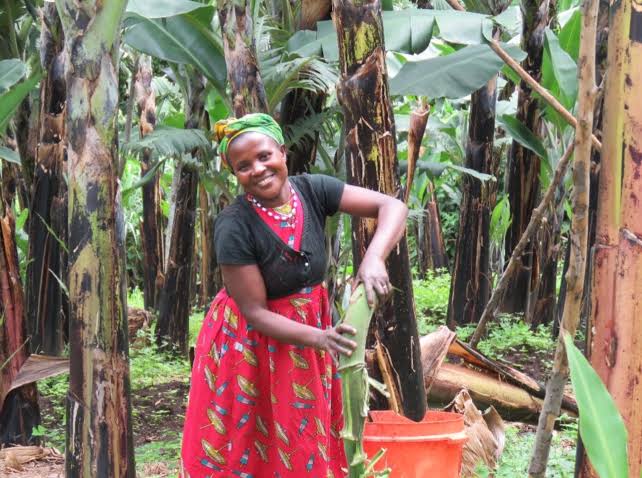
Cultural experiences can give people a chance to share knowledge, language, music, crafts and stories on their own terms. That does not mean every practice must be demonstrated for visitors or kept unchanged. Culture evolves; community members should decide what they want to share and how they present it.
Research on the Batwa Trail in southwestern Uganda describes cultural performance as a space where Batwa participants express identity and cultural self-determination. It cautions against viewing people only through outside stereotypes or as passive subjects of a tourism story.
Which community experiences can you consider in Uganda?
The examples below illustrate different ways to learn about local knowledge, culture and conservation. They are not endorsements of every operator in a location. Confirm current arrangements, prices and community involvement with the organisation responsible before you book.
What can you learn on a Bigodi Wetland Sanctuary visit?
Bigodi Wetland Sanctuary lies near Kibale National Park in western Uganda. Its community organisation, KAFRED (Kibale Association for Rural and Environmental Development), manages the Bigodi Tourism website and offers guided nature walks and cultural village walks. The organisation says tourism revenue supports local community projects. Visitors can learn about wetland ecology, birdlife, local guiding and conservation; cultural activities may also be available.
Book through the organisation responsible for the experience, follow your guide’s instructions and ask before photographing residents. If you buy a craft, ask who made it and pay the agreed price. The official booking page lists activity categories and fees, but prices and some displayed currency conversions can change or may need clarification. Confirm the current fee, activity and inclusions directly before travelling.
How can you approach Batwa cultural experiences respectfully?
The Batwa are an Indigenous people with a deep historical relationship with the forests of southwestern Uganda. Some Batwa communities participate in cultural tourism, including storytelling, demonstrations of traditional knowledge, music and other activities they choose to share.
The history of conservation-related evictions and exclusion from ancestral forest areas is part of the context for some visits. Research also cautions against representing Batwa people only as victims; scholarship discusses agency, knowledge, cultural self-determination and how people negotiate the way they are represented. Do not reduce this history to a short performance or assume a single story represents everyone.
- Choose an experience organised with meaningful Batwa participation, and ask how guides and other participants are compensated.
- Listen to the explanations community members choose to offer; do not assume you already know their history.
- Do not expect anyone to demonstrate private, sacred or painful experiences.
- Ask before taking photos or recording stories. Permission to take a picture does not automatically grant permission to publish it.
- Avoid language that portrays an entire community as primitive, helpless or frozen in the past.
Batwa people have contemporary lives, knowledge, aspirations and different views about culture and tourism. Treat each person as an individual, not as a tourism product or a representative who must answer for an entire community.
What should you know before visiting Katwe?
The Katwe area near Queen Elizabeth National Park is known for its salt-lake landscape and salt production. When a locally guided visit is available and appropriately arranged, it can help visitors understand the work, history and economic context of salt extraction.
Follow the guide’s instructions around working areas, respect workers’ time and safety, ask before photographing individuals, and do not interrupt production. Confirm access arrangements, meeting point and current price before you go.
How can you support craft workshops and cooperatives?
Across Uganda, craft groups and small businesses may make woven baskets, pottery, textiles, jewellery, woodwork and other goods. A workshop can explain materials, techniques, the time involved and how artisans run their businesses. Ask whether visitors are welcome, who made an item and what materials it uses. Do not photograph unfinished work or proprietary techniques without permission. Avoid products made from protected wildlife or materials whose legality is unclear.
Buying directly from a maker can support local enterprise, but ask whether the person selling the item also made it or how the sale benefits the artisan. Pay the stated price for a guided experience; for market goods, ask politely and decide whether the price fits your budget. Do not use a seller’s perceived poverty as a reason to push the price down.
How can you arrange a local food or farming experience?
Food can introduce visitors to regional ingredients, cooking methods and agriculture. A community-arranged meal or farm visit may direct spending to households and small suppliers. Book with the host’s consent, share dietary needs in advance, follow hygiene and safety instructions, and ask before entering private spaces or photographing a household. Do not assume a family will open its home just because travellers are curious.

How can you tell whether a community visit is responsible?
No single sign proves that an activity is ethical, but a few respectful questions can clarify who is involved and what to expect.
Who organises and manages the visit?
Find out whether a community organisation, local enterprise, cooperative, individual guide or outside operator manages the activity. An outside operator can work responsibly with a community; the key is whether the relationship is clear and local participants have a meaningful voice.
Who receives the fee?
Ask what the quoted price includes and how payment is handled. It might cover the guide, transport, activity or a contribution to a shared project. If a portion goes to a fund, ask what it supports and who decides how it is used. You do not need to demand private accounts from a small business, but a reasonable explanation should be available.
Did local participants help shape the experience?
People hosting a visit should have a say in what is shared, how the activity is conducted and which topics remain private. This matters especially when an experience involves Indigenous knowledge, sacred places, sensitive histories or people affected by displacement. A tour that uses local residents as performers while outsiders control the narrative and revenue deserves closer scrutiny.
Are guides, artisans and performers treated as professionals?
Local guides, artisans, cooks and performers contribute skills and labour. A responsible experience does not assume they should provide unpaid entertainment because visitors have already paid an operator. Clarify what the fee covers and how the people delivering the activity are paid.
Are the impact claims specific and credible?
Be cautious of claims such as “every dollar goes directly to the community” or “your visit changes hundreds of lives” when no explanation is provided. A credible organisation should be able to describe its activities and intended benefits without promising that one visit will solve complex social or economic problems.
Should you ask before taking photographs?
Yes. A person selling produce, working on a craft or standing in a village has not automatically agreed to be photographed. Ask clearly and wait for an answer. If someone declines, put the camera away. If communication is difficult, do not treat silence as permission.
What about photographs of children?
Be especially careful. Respect the child’s willingness and seek permission from a parent or appropriate guardian. Do not pressure children to pose, perform or interact with visitors for pictures. Avoid publishing identifiable images or personal information without appropriate consent and a clear reason.
Can you post a photo or video after the visit?
Permission to take a photograph does not automatically mean permission to publish it, use it in advertising, sell it or post it on social media. Ask separately when you want to share or use an image beyond the original context. If a guide invites visitors to photograph a performance, check that everyone involved has agreed.
How can you avoid turning hardship into content?
Do not stage or share images that portray people as helpless, use children to create emotional appeal, or expose someone’s difficult circumstances without permission. If you are documenting a community for journalism, research or marketing, follow the relevant consent and professional requirements; a casual visit is not blanket permission.
Should you give money or gifts to children?
Visitors often want to help when they see people facing economic difficulties. Direct gifts of money, sweets or supplies can create expectations, encourage repeated approaches to visitors or bypass organisations that understand local priorities. This does not mean every direct gift is harmful; it means you should not assume you know what a household or community needs.
If you want to contribute, ask a reputable local organisation or community representative about suitable options. They may point you to a community fund, school initiative, health programme or local business with an established process. Never make a gift conditional on a child posing for a photograph, performing, sharing personal information or accompanying visitors.
Are school supplies a good donation?
Ask first whether the supplies are needed and whether an organisation can distribute them fairly. Some schools may need particular materials, while others have different priorities. Unrequested donations can create storage or distribution problems, or leave some children with gifts while others receive none. Where possible, contribute through a transparent programme with local leadership and clear procedures.
What promises should you avoid?
Do not promise a child or family money, sponsorship, future visits or other support unless you have a realistic plan to follow through. For longer-term support, use an organisation with a clear contact and a way to explain how contributions are used.
How should you behave during a cultural visit?
You do not need to know every custom before travelling. Approach people with curiosity, humility and a willingness to follow local guidance.
What should you wear?
Clothing expectations vary between communities, religious sites, ceremonies and everyday settings. Ask your guide whether a particular dress requirement applies. Modest clothing or covered shoulders may be appropriate in some settings; ordinary casual clothing may be fine in others. Do not assume one rule applies to every Ugandan community.
How should you act at religious or sacred places?
Some sites restrict photography, access, footwear or noise, or limit who may enter particular areas. Follow the instructions of the people responsible for the site. Ask before proceeding if you are unsure. Do not treat ceremonies or sacred objects as props for photographs.
Should you expect a performance?
A community visit is not a show that must be dramatic to justify its price. Hosts may choose to share songs, dances, stories or demonstrations; they may instead talk about work, education, business, daily life or contemporary challenges. Give the experience room to be what its hosts have chosen to offer.
Which questions might be intrusive?
Questions about history, language, food and work can lead to useful conversations. Questions about trauma, poverty, family circumstances, politics or personal beliefs may be sensitive. Let your guide establish context. If someone seems uncomfortable or declines to discuss a topic, change the subject.
Does culture have to look “traditional” to be real?
No. Communities are not frozen in time. People may use modern technology, attend university, operate businesses, wear contemporary clothing and maintain selected cultural practices. None of those choices makes their culture less real. Responsible tourism lets people represent themselves as they are today, not only as visitors expect them to be.
How much should a community visit cost?
There is no single standard price for community tourism in Uganda. Fees vary with the organisation, activity, duration, guide, transport, visitor category and inclusions. Some experiences publish rates; others quote on request. Bigodi’s official booking page lists separate fee categories for its guided nature and cultural village walks. Check the current page and confirm the activity and price directly before travelling; displayed prices or currency conversions may need clarification.
Before paying, confirm the activity name and duration, whether a local guide and transport are included, whether entrance or conservation fees are separate, whether any payment supports a community fund, and whether meals, crafts or donations are optional extras. A higher fee does not automatically mean a greater community benefit, and a lower fee does not automatically mean an experience is exploitative. Ask what you receive, who provides it and whether the arrangement is clear.
For a guided experience with a published rate, pay the agreed fee unless there is a genuine error or an advertised discount applies. For crafts, ask the price politely and decide whether it fits your budget. It is fine to decline respectfully if you cannot afford a purchase; local sellers are not obliged to accept an unfair price.
How can you arrange a respectful community visit on a self-drive safari?
Independent travel gives you flexibility, but you are responsible for arranging visits properly. A village or community site is not automatically open to visitors because it appears on a map or lies beside a park.
Should you arrange the visit in advance?
Where possible, book through the community organisation, local guide or operator responsible for the activity. Confirm the location, arrival time, duration, fee and meeting point. Ask whether a guide or permission is needed. Do not drive into a residential area and assume someone will organise a visit when you arrive.
Why use a local guide?
A local guide can explain history, context and etiquette, and help you avoid entering private spaces or interrupting activities. Confirm what the guiding fee covers and whether the guide is associated with the organisation you plan to visit.
How should you treat roads, land and private property?
Do not drive through farms, compounds or community land without permission. Park where instructed. If the visit includes a walk, remain on the agreed route and respect boundaries around homes, gardens, places of worship and work areas.
How much time should you allow?
Do not treat a community visit as an obstacle to rush through between game drives. Allow time to arrive, listen, ask questions and take part in the agreed activity. If the experience requires a long drive, consider whether it is practical to combine it with other plans that day.
Should you stop spontaneously to take pictures?
Avoid unannounced stops to photograph people, enter a homestead or ask children to demonstrate a cultural practice. If you are curious about a community you pass, ask your guide whether there is an established visitor experience or an appropriate way to arrange a visit.
What red flags should you watch for?
No single warning sign proves an activity is harmful, but several should prompt more questions or a different choice:
- The community appears to have no say, and the organiser cannot explain how local participants are involved.
- Nobody can explain what the fee covers or how guides and other participants are paid.
- Visitors are encouraged to photograph residents without permission.
- Children are used to attract visitors, solicit gifts or pose for pictures.
- Marketing portrays people as primitive, backward, helpless or exotic curiosities.
- Visitors are pressured to enter homes, ceremonies or private activities.
- The operator promises dramatic social impact without explaining how the activity supports local priorities.
- The visit disregards community boundaries, wildlife or environmental limits.
If the organiser cannot answer reasonable questions, you can decline the visit and choose another activity.
How can tourism businesses support communities more effectively?
Travellers are not solely responsible for ethical tourism. Tour operators, lodges and other businesses influence how experiences are designed, described and paid for. Businesses can:
- Work with community organisations from the planning stage.
- Agree on fees and payment arrangements in advance.
- Pay guides, performers and artisans fairly under clear agreements.
- Buy food and supplies from local businesses where practical.
- Describe the community’s role accurately in marketing.
- Obtain consent for photographs, recordings and stories.
- Avoid exaggerated claims about social impact.
- Support locally identified priorities without imposing outside assumptions.
- Review visitor conduct and respond to concerns raised by local partners.
Uganda’s Ministry of Tourism, Wildlife and Antiquities includes sustainable tourism, conservation and cultural heritage within its policy and mandate. Responsible practice helps build relationships that can continue beyond a single visit.
What should you check before booking a community visit?
- Identify who organises and manages the visit.
- Confirm that local participants have agreed to host visitors.
- Ask what the fee includes and how payments are handled.
- Check the duration, location, transport and meeting arrangements.
- Confirm photography and recording rules.
- Ask about relevant cultural or religious restrictions.
- Check whether the activity suits your group.
- Find out whether craft purchases or donations are optional.
- Avoid activities that pressure children or intrude on private life.
- Follow the guide’s instructions and respect anyone’s choice not to answer or be photographed.
- Leave the area as you found it and dispose of rubbish appropriately.
- Share feedback constructively if something could be improved.
You do not need to interrogate a community organisation before booking. A few respectful questions are usually enough to understand the basic arrangements.
How can you make a community visit worthwhile for everyone?
Community visits can be among the most memorable parts of a Uganda safari. They can introduce you to local expertise, cultural heritage, conservation work and small businesses while creating opportunities for people to earn from tourism. But a visit’s value is not measured only by how unusual it feels to a visitor.
Before booking, find out who organises the experience, how payment is handled and what behaviour is expected. During the visit, ask permission, listen carefully, respect boundaries and follow local guidance. You do not need to turn every conversation into a lesson about social development. Sometimes the respectful choice is to pay fairly for an agreed experience, buy a locally made product, listen with interest and leave without demanding more.
Visit as a guest. Let the people hosting you decide what they want to share, and respect their choices and priorities.
Frequently asked questions
How can I support local communities while on safari in Uganda?
Book activities through the organisation responsible, use local guides, buy from local makers where you choose, and ask how fees and contributions are handled. Pay agreed prices and avoid assuming that every community member wants to take part in tourism.
Is it okay to photograph people in Ugandan villages?
Ask first and wait for clear permission. If someone declines or you are unsure, do not take the picture. Ask separately before publishing, advertising with or sharing an image publicly.
Should I give sweets or money to children I meet?
Do not assume direct gifts are the best way to help. Ask a reputable local organisation about appropriate support, and never make gifts conditional on a child posing, performing or sharing personal information.
What is the Bigodi Wetland Sanctuary community walk?
Bigodi offers guided nature and cultural village walks managed through KAFRED. Confirm the current product, price, inclusions and arrangements through the organisation’s official booking page before visiting.
How do I know whether a cultural tour is ethical?
Ask who organises it, whether local participants helped shape it, how guides and performers are paid, what the fee covers and what photography rules apply. Clear answers are a useful sign; vague promises or pressure to enter private spaces are reasons to pause.