
Advantages of Renting a Car With a Driver Guide
Why a chauffeur-guided 4×4 is the smarter choice for most safari travelers in Uganda, Tanzania, Rwanda, and Kenya
East Africa’s national parks reward travelers who move slowly, watch closely, and know where to look. For visitors weighing how to get around Uganda, Tanzania, Rwanda, or Kenya, the choice usually comes down to two options: renting a self-drive 4×4, or renting the same vehicle together with a professional driver guide. Both options open the door to the region’s parks, lakes, and mountain ranges, but they lead to very different journeys once you are actually on the road.
This guide sets out, in detail, why renting a car with a driver guide is the preferred option for the majority of safari travellers — from first-time visitors to seasoned wildlife enthusiasts — and where a driver guide makes the biggest difference to comfort, safety, and the overall quality of a trip.
 What Is a Car Rental With a Driver Guide?
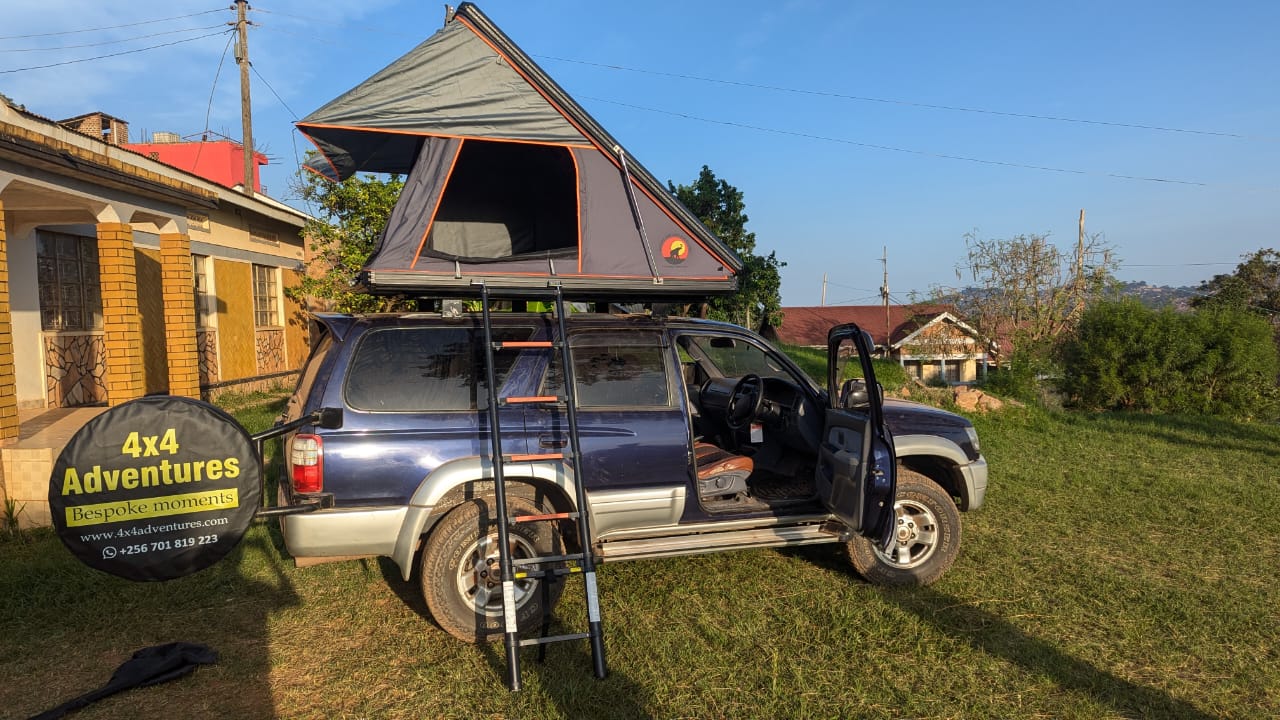
A car rental with a driver guide pairs a well-maintained safari vehicle — typically a 4×4 such as a Toyota Land Cruiser Prado, Land Cruiser 76/78/79, or a safari minivan — with a trained local driver who also acts as a guide throughout the trip. The driver guide handles all aspects of getting from place to place: route planning, park entry procedures, vehicle maintenance, and, most importantly, locating and interpreting wildlife once inside the parks.
This is different from a standard taxi or private transfer service. A driver guide working in the safari industry has typically trained in wildlife identification, park regulations, first aid, and defensive off-road driving, and often speaks multiple languages relevant to international visitors.
Key Advantages of Renting a Car With a Driver Guide
1. Local Knowledge That Cannot Be Replicated by GPS
Many of East Africa’s most rewarding routes — game-viewing tracks inside Murchison Falls, the crater floor descent in Ngorongoro, or the network of trails through the Serengeti — are poorly mapped, seasonally impassable, or simply not covered in useful detail by mobile navigation apps. A driver guide who works these routes regularly knows which tracks are currently open, which are flooded in the rainy season, and which shortcuts save hours of driving without sacrificing scenery or wildlife density.
| Why it matters
Self-drive travellers relying on GPS often lose valuable game-viewing hours backtracking from dead-end tracks or missing turns that are obvious to someone who drives the park daily. |
2. Dramatically Better Wildlife Sightings
Spotting wildlife in dense bush, tall grass, or dappled shade is a skill that takes years to develop. Driver guides are trained spotters who read subtle cues — a flick of movement, alarm calls from birds, tyre tracks, fresh dung — that most visitors would drive straight past. They also coordinate with other guides by radio, so a guided vehicle is often first to arrive at a leopard sighting, a lion kill, or a river crossing during the wildebeest migration.
- Positioning: Drivers can position the vehicle for optimal photography angles and lighting without needing directions from passengers
- Radio network: Guides share real-time updates on migration movement, predator sightings, and bird activity across the park
- Species identification: A trained eye distinguishes between similar-looking species and subtle behaviours worth stopping for
3. No Navigation Stress or Fatigue
Self-driving through unfamiliar terrain — particularly on East Africa’s mix of tarmac, murram, and rough park tracks — demands constant concentration. Combined with jet lag, unfamiliar signage, and long distances between towns, this can leave travellers exhausted well before they reach a park gate. Handing the wheel to a professional driver guide means every member of the group, including the person who would otherwise be driving, can rest, take photographs, or simply enjoy the passing landscape.
 4. Safer Cross-Border and Off-Road Travel
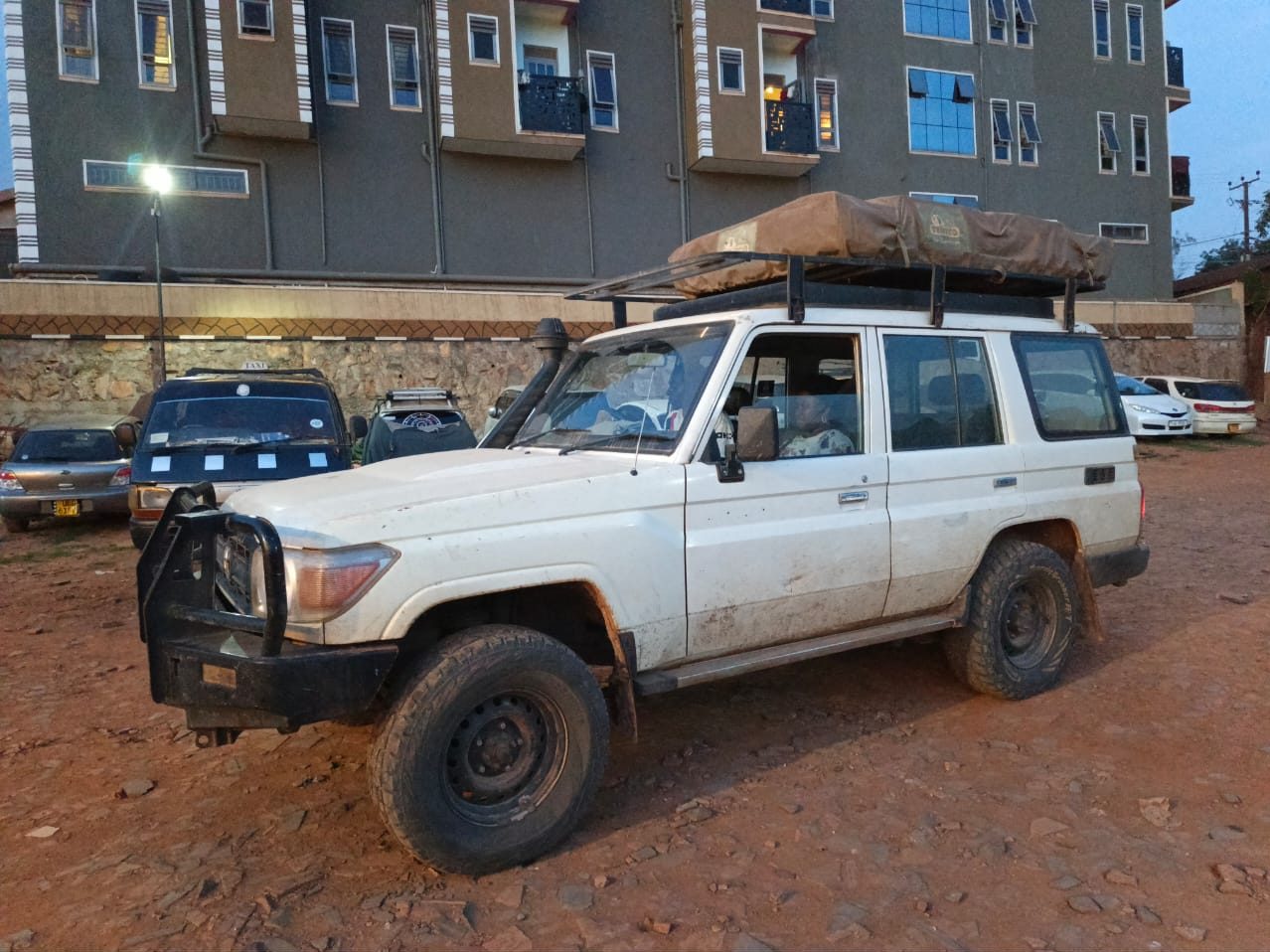
Border crossings between Uganda, Rwanda, Tanzania, and Kenya involve paperwork that is easy to get wrong on a first attempt: temporary import permits, COMESA Yellow Card insurance, vehicle logbooks, and immigration formalities. A driver guide who crosses these borders routinely knows the correct documents, the right officials to approach, and how to avoid delays or informal fees. On rough park roads, an experienced guide is also far less likely to get the vehicle stuck, bogged, or damaged than a first-time visitor unfamiliar with 4×4 driving techniques.
| Practical note
Many rental companies restrict self-drive access to certain remote parks (such as Kidepo Valley) or require a driver guide for cross-border one-way rentals precisely because of these risks. |
5. Real-Time Itinerary Flexibility
Weather, road closures, and wildlife movement can change a day’s plan at short notice. A driver guide can adapt the itinerary on the spot — extending time at a good sighting, rerouting around a flooded section of road, or adjusting departure times to catch better light for photography — without the trial-and-error a self-driving visitor would face making the same decisions alone.
6. Cultural and Historical Context
Beyond wildlife, driver guides add meaningful context to a trip: explaining local customs, translating conversations with community members, pointing out landmarks, and answering questions about the history and conservation challenges of the areas being visited. This turns transit time between parks into part of the experience rather than dead time behind the wheel.
7. Vehicle and Mechanical Peace of Mind
Driver guides are trained to handle common mechanical issues — punctures, overheating, minor breakdowns — and know the location of trusted mechanics and fuel stations along each route. This removes a significant source of anxiety for travelers unfamiliar with the vehicle or the region, particularly on longer multi-day self-drive circuits.
8. Better for Groups, Families, and Photographers
Families travelling with children, groups of friends, or serious photographers all benefit from having a dedicated driver. Parents are not distracted by driving while supervising children in the back seat; photographers can move freely between windows and use both hands for their equipment without worrying about the road ahead.
9. Language and Communication Support
At park gates, checkpoints, lodges, and community visits, a driver guide who speaks both English and the relevant local languages smooths over misunderstandings and speeds up formalities that might otherwise take much longer for a visitor navigating alone.
10. Often Comparable Overall Value
While the daily rate for a car with a driver guide is higher than self-drive, the total cost difference narrows once fuel efficiency from experienced driving, avoided wrong turns, reduced risk of costly vehicle damage, and time saved are factored in. For many travelers, the improved quality of wildlife sightings alone justifies the additional cost.
Self-Drive vs. Driver Guide: A Side-by-Side Comparison
The table below summarises how the two options compare across the factors that matter most to safari travellers.
| Consideration | Self-Drive Rental | Rental With a Driver Guide |
| Navigation & road knowledge | You rely on GPS and signage, which can be unreliable in remote parks | A local guide knows park tracks, shortcuts, and current road conditions |
| Wildlife spotting | Easy to miss animals while focused on driving | Guides are trained spotters and know where animals congregate |
| Border crossings | You handle all paperwork and negotiations yourself | Guide manages documents, checkpoints, and local procedures |
| Fatigue on long routes | Long driving days on unfamiliar, often rough roads | You rest, enjoy the scenery, and arrive alert |
| Cultural insight | Limited to what you read in advance | Real-time stories, translation, and local context |
| Vehicle troubleshooting | You must handle breakdowns or punctures alone | Guide is trained in basic repairs and knows nearby help points |
| Cost | Generally lower daily rate | Higher daily rate, but includes guiding, fuel planning, and problem-solving |
| Flexibility of pace | Full control, but at the cost of local expertise | Guide adapts itinerary in real time based on sightings and conditions |
Indicative Daily Rates: Self-Drive vs. Driver Guide
Rates vary by season, rental duration, and specific vehicle configuration, but the table below gives a general sense of the price difference between self-drive and chauffeur-guided rentals across common vehicle categories in East Africa.
| Vehicle Type | Self-Drive (per day, USD) | With Driver Guide (per day, USD) |
| Compact 4×4 (RAV4 / Vitz) | $60 – $85 | $95 – $130 |
| Mid-size 4×4 (Land Cruiser Prado) | $110 – $150 | $160 – $210 |
| Rooftop-tent 4×4 (Land Cruiser 76/79) | $140 – $190 | $200 – $260 |
| Safari minivan (up to 7 pax) | $120 – $160 | $170 – $220 |
These figures typically include the driver guide’s daily allowance, fuel budgeting support, and basic park-related guiding; they exclude park entrance fees, accommodation, and the driver guide’s meals and lodging, which are usually covered separately by the client as a matter of local practice.
Who Benefits Most From a Driver Guide?
- First-time visitors to East Africa: Unfamiliar with driving on the left, on murram roads, or in 4×4 conditions
- Photographers and wildlife enthusiasts: Want to focus entirely on watching wildlife and taking photographs rather than navigating
- Families with young children: Need an extra set of hands and eyes so parents can attend to children rather than the road
- Multi-country travellers: Are combining Uganda, Rwanda, Tanzania, and Kenya in one trip and need help with border logistics
- Travellers on tight schedules: Want to reach remote parks such as Kidepo Valley or the deep Serengeti without route-finding stress
Who Might Still Prefer Self-Drive?
Self-drive remains a good fit for budget-conscious travelers who are experienced with off-road 4×4 driving, comfortable navigating with GPS and paper maps, and who place a high value on total independence over the course of their trip. It also suits shorter, single-country itineraries on well-established routes such as Uganda’s southwestern circuit, where road conditions and signage are relatively straightforward.
How to Book a Car With a Driver Guide
- Share your itinerary: Confirm your countries, parks, and approximate route so the rental company can recommend the right vehicle and driver guide
- Select your vehicle: Choose between a Land Cruiser Prado, Land Cruiser 76/78/79, or safari minivan depending on group size and terrain
- Clarify inclusions: Ask whether the daily rate includes the driver guide’s allowance, and clarify who covers their meals and accommodation
- Check cross-border experience: For multi-country trips, confirm the driver guide is authorised and experienced with the specific border crossings on your route
- Confirm documentation: Request a confirmed driver guide profile, vehicle registration, and insurance documents before final payment
Frequently Asked Questions
Q: Is a driver guide mandatory for self-drive rentals in East Africa?
A: It is not mandatory everywhere, but many rental companies require a driver guide for remote parks, rough terrain, or one-way cross-border rentals, largely for safety and vehicle-protection reasons.
Q: Do I still get to choose where we stop?
A: Yes. A driver guide manages the route and driving, but the itinerary remains yours to shape — most guides are happy to adjust pace, stops, and photo opportunities throughout the day.
Q: Are driver guide meals and accommodation extra?
A: Typically yes. Most rental agreements in East Africa expect the client to cover the driver guide’s meals and basic accommodation separately from the vehicle rental rate; lodges and camps commonly offer discounted driver quarters for this purpose.
Q: Can a driver guide help with gorilla trekking or specialist activities?
A: Driver guides typically handle transport and general wildlife guiding; specialist activities such as gorilla trekking are led by dedicated park rangers, though your driver guide will usually coordinate logistics and transfers around these activities.
Q: Is tipping the driver guide expected?
A: A gratuity is customary across East Africa’s safari industry and is generally appreciated at the end of a multi-day trip, though it is discretionary and not a fixed requirement.
Final Thoughts
Renting a car with a driver guide trades a portion of independence for local expertise, safety, and a noticeably richer wildlife experience — an exchange that most travelers, particularly those new to East Africa, find well worth making. Whether you are planning a short circuit through Uganda’s national parks or a multi-country journey spanning Rwanda, Tanzania, and Kenya, a skilled driver guide is often the single factor that turns a good trip into an outstanding one.
| Plan your trip
4×4 Adventures arranges chauffeur-guided 4×4 rentals across Uganda, Rwanda, Tanzania, and Kenya, with experienced driver guides matched to your route, group size, and interests — from short national park circuits to multi-country overland safaris. |