- 4x4 Selfdrive Uganda
- +256 701819223
- +256 774819223
- info@4x4selfdriveuganda.com

How Much Does a Uganda Self-Drive Safari Cost
November 9, 2026
How Can You Visit Ugandan Communities Respectfully
November 10, 2026Should You Book a Uganda Safari Package or Plan It Yourself?
If you are planning a Uganda safari, you can book an itinerary through a tour operator, arrange a self-drive trip yourself, or combine the two. A package can bring transport, accommodation, a driver-guide and activities together; self-drive gives you more control but makes you responsible for bookings, navigation and day-to-day decisions. Neither option is automatically cheaper or better. Compare the same itinerary, travel dates, group size and accommodation level, then choose the amount of planning and driving you want to take on.
Check whether fuel, park fees, meals, permits, activities, insurance and transfers are included. Also consider how much time you have, whether you are comfortable driving in unfamiliar conditions, and whether your plans include fixed-time activities such as gorilla trekking.
What does a Uganda safari package usually include?
A packaged safari is an itinerary arranged and quoted by a tour operator. A guided trip may include a 4×4 Safari vehicle and driver-guide, airport transfers, accommodation, specified meals, park entrance fees and selected activities. Gorilla or chimpanzee permits may be included, priced separately or left for the traveler to arrange. Bottled water, park transfers and other services can also be included.
The word “package” does not mean every expense is covered. International flights, visas, travel insurance, tips, laundry, drinks, personal purchases and optional activities are commonly listed separately. Some quotations also have conditions about exchange rates, supplier price changes, deposits and cancellations. Ask for the inclusions and exclusions in writing before comparing prices.
A guided package can suit first-time visitors, travelers with limited planning time, people who do not want to drive long distances, and itineraries combining several parks or remote destinations. The operator coordinates bookings and sequence; the guide handles driving and can provide local knowledge and wildlife interpretation. The quality still depends on the operator, guide, vehicle and schedule. A professionally arranged trip can still be rushed or poorly matched to your priorities.
What does it mean to plan your own safari?
Planning your own safari means choosing and booking the main components separately. For a self-drive trip, you would select destinations and dates, rent a suitable vehicle, book accommodation, plan the route, budget for fuel and fees, and confirm activities and permits. You also handle changes or delays as they arise.
For example, you might collect a vehicle near Entebbe, visit Lake Mburo, continue to Queen Elizabeth National Park and then travel to Bwindi for gorilla trekking. You decide where to stay, how long to spend at each stop and whether to add rest days. Those choices are the main attraction of self-drive travel.
Independent planning does not mean doing every activity alone. You can drive yourself to a park and book a ranger-led activity, local guide or organized boat cruise. You can also hire a vehicle with a driver-guide while booking accommodation and activities independently. Confirm exactly what that driver service covers; a rental driver is not automatically the same as a specialist safari guide.
Self-drive can suit travelers who enjoy planning, are comfortable driving unfamiliar roads, want control over accommodation and daily spending, or are sharing vehicle costs with companions. It is less suitable if you dislike driving, have little time to arrange the trip, or expect someone else to handle every logistical problem. Uganda routes can include busy urban traffic, long inter-park journeys, rough sections, rain and stretches with limited services. A navigation app cannot make those decisions for you.
Which option costs less for a Uganda safari?
There is no reliable answer from comparing a package price per person with a rental rate per day. Those prices cover different things. To compare fairly, build the total cost of the same itinerary for the same dates and number of travelers.
What to include in a package total
- Vehicle and driver-guide, including the guide’s meals and accommodation if charged separately.
- Fuel, airport transfers and any one-way drop-off fee.
- Accommodation, meals, taxes and mandatory service charges.
- Park entrance and vehicle fees, plus boat trips, game drives or other activities.
- Gorilla and chimpanzee permits, where relevant, and any operator handling fee.
- Expenses excluded from the quote, such as visas, flights, tips, insurance, drinks and personal purchases.
What to include in a self-drive total
- Vehicle rental, insurance, excess or deductible, refundable deposit and mileage conditions.
- Fuel for the route and driving within parks.
- Accommodation, meals and drinking water.
- Park entrance, vehicle entry and any self-drive or guide fees.
- Permits, boat cruises, ranger-led activities and other excursions.
- Airport transfers, parking, connectivity and a contingency for delays or unexpected costs.
Treat the figures as a starting example only. Park tariffs, accommodation rates, rental prices and fuel costs can change, and the actual itinerary may have different fees. The cheapest-looking choice can change once every line is counted. A higher package quote may include a guide, fuel, lodging, meals and activities, while a lower quote may cover only a vehicle and some accommodation. A self-drive can be less expensive for some groups, especially when costs are shared, but a high-end lodge itinerary can cost more than a modest guided trip. Compare like with like.
How do permits and activities affect the comparison?
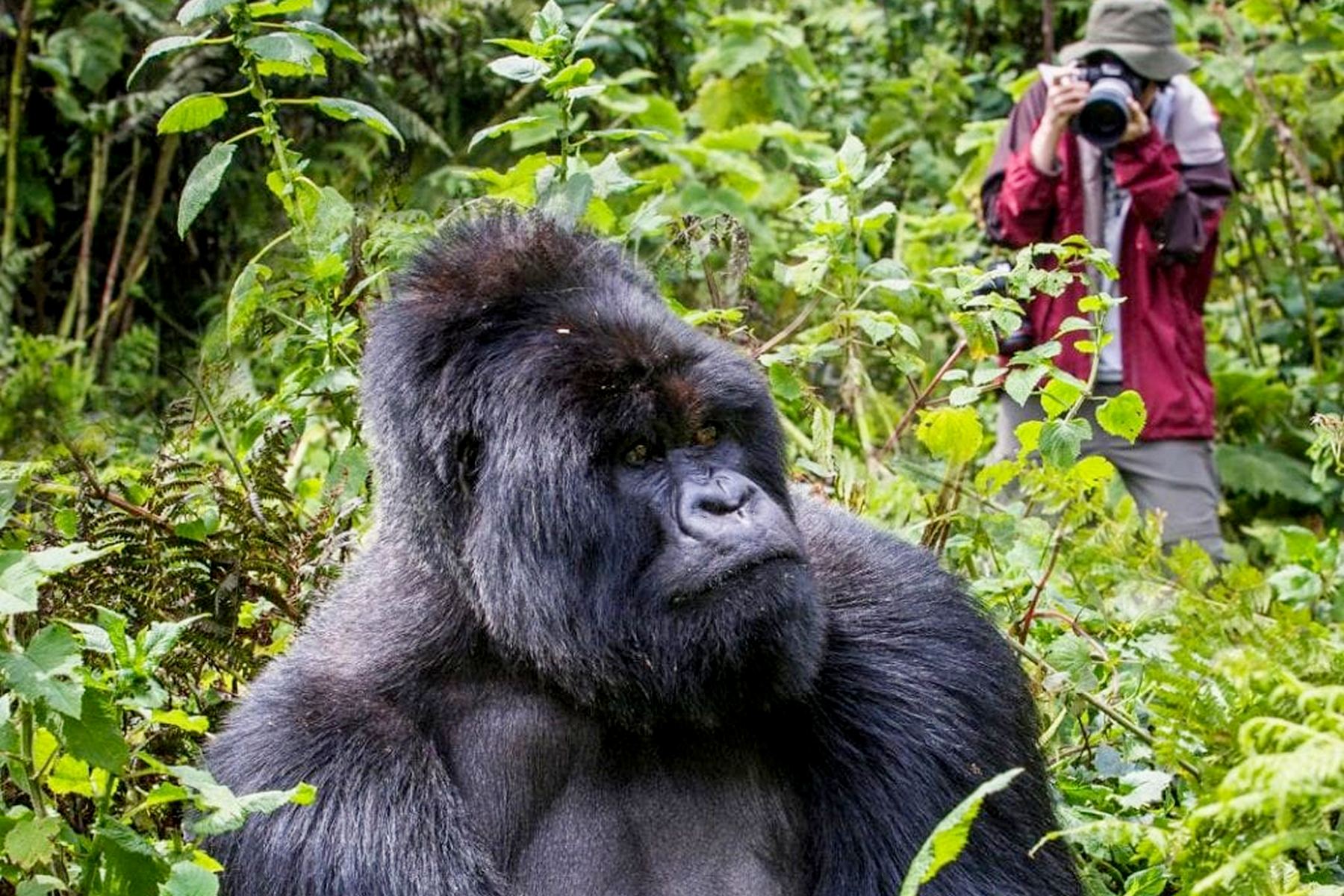
Some activities account for a substantial share of the trip cost whether you travel independently or with an operator. Gorilla trekking requires advance coordination because permits are limited and tied to a date and location. Chimpanzee tracking, boat trips, ranger fees and other excursions may also be separate charges.
Before accepting a quote, ask whether each permit is included in the total, confirmed for the correct date and trekking sector, and subject to separate handling fees. Check whether park entry and transport to the activity starting point are included. Find out what happens if an activity is unavailable or plans change, and read the current cancellation or transfer rules. Never compare a package that includes permits with a self-drive estimate that leaves them out.
What convenience does a tour operator provide?
A good operator coordinates accommodation, transport, activity times, permit arrangements and the order of the itinerary. A capable driver-guide also handles route decisions and can explain wildlife and local context. That support can be valuable when a short trip includes several parks or fixed-time activities.
With self-drive, you take on more of that work: checking the route, confirming bookings, planning fuel and rest stops, and deciding what to do when the day changes. Travelers who enjoy researching may find that part rewarding. If you want a holiday with few logistical decisions, a guided package may be worth the extra cost.
Does self-drive give you more flexibility?
Self-drive usually gives you more direct control over the daily plan. You can linger at a viewpoint, choose where to stop, or change the pace when your bookings allow. A private guided package can also be flexible, but changes may affect accommodation, permits, activity reservations, driving distances and cost. Fixed group departures usually allow less adjustment than a private itinerary.
Freedom still has limits. Park rules apply, wildlife sightings are never guaranteed, and you must use permitted roads and follow ranger instructions. A flexible schedule should leave room to enjoy a park without turning every stop into a deadline.
Imagine you are visiting Queen Elizabeth National Park. A tightly scheduled itinerary might include a morning game drive, a boat cruise and an afternoon transfer. That can suit someone who wants the main highlights in limited time. A self-drive traveler might prefer another night, a slower visit to Ishasha or more control over game-drive timing. Neither plan is best for everyone; the choice depends on your priorities and the time available.
What should you consider about safety and driving?
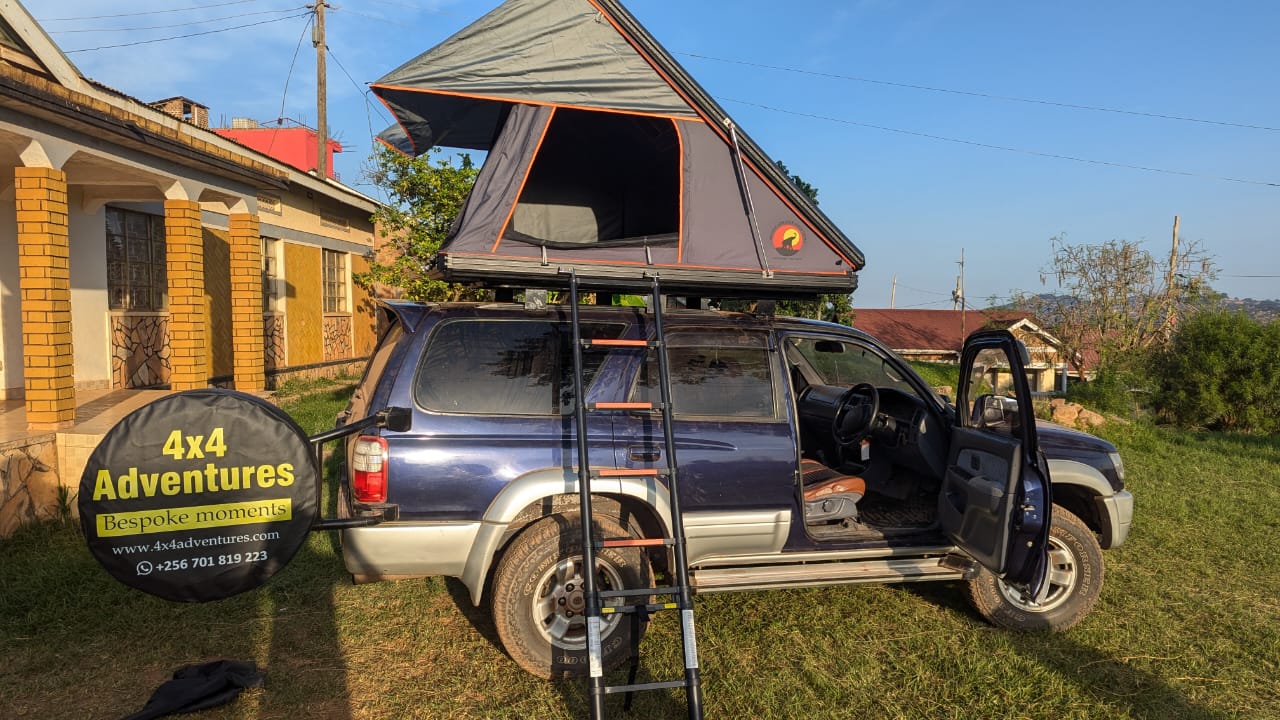
Be honest about your experience before choosing self-drive. Uganda includes urban traffic, highways, rural roads and park tracks, and conditions vary with weather and location. A route that looks simple on a map may take longer than expected. A guided-safari driver takes on the driving and navigation; a self-drive traveler must be comfortable with route planning, vehicle checks, tire issues and sensible decisions when there is a delay or breakdown.
Read the actual insurance policy before renting. “Comprehensive” does not necessarily mean every kind of damage or incident is covered. Check the excess, exclusions, permitted driving areas, breakdown procedure, emergency contacts and who pays for recovery or replacement transport. Ask how the company handles a breakdown in a remote area and get the terms in writing. A suitable 4×4 does not remove road risks or delays.
If you have not driven a 4×4 in unfamiliar rural conditions, consider a driver-guide or a hybrid arrangement. That can preserve some choice over the itinerary while reducing the driving and navigation burden.
How does accommodation affect the decision?
A package may select lodges based on location, availability and the itinerary. This is convenient when an early activity is planned. Booking independently gives you more control over the nightly budget: you can consider guesthouses, community accommodation, campsites or higher-end lodges.
Location matters as much as the rate. A cheaper property far from a park gate or activity meeting point may require extra driving or an early start. When comparing options, confirm the exact property or category, whether the rate is per person or per room, which meals and taxes are included, cancellation terms, activity transfers, and distance to the correct park entrance or trekking sector. “Mid-range accommodation” alone is not enough detail to compare two offers.
Which option suits couples, families, groups or solo travelers?
Couples
A couple can share vehicle and fuel costs on a self-drive trip and choose accommodation to suit the budget. If neither person wants to drive or you value expert wildlife interpretation, a private guided trip may justify its cost. Compare the full two-person totals.
Families with children
Consider daily driving, child-friendly accommodation, meals, rest stops and activity age or participation rules. A guide can simplify logistics; self-drive gives parents more control over stops and pace. Either option needs an itinerary shaped around the children rather than an adult schedule with no breaks.
Groups of friends
Sharing a vehicle may lower each person’s share of rental and fuel costs. Confirm legal passenger capacity, seat belts and space for luggage. A private guided safari can also become better value when the vehicle and guide cost is shared. Compare the total for the group and each person’s share, not only the advertised per-person rate.
Solo travelers
A solo traveler bears the full vehicle cost alone. A group departure or guided arrangement may be better value, depending on your preference for privacy and independence. Ask operators whether they have a single supplement and compare the complete price.
Can you combine a package and self-drive?
Yes. A hybrid safari pairs independent travel with selected professional services. You might rent a 4×4 and book accommodation yourself, then arrange a local guide for a specific activity or use an organized boat cruise. Another option is hiring a vehicle with a driver-guide while choosing lodges and activities separately.
A hybrid approach can help when most of the itinerary is straightforward but one activity needs specialist knowledge or extra coordination. Confirm which bookings you manage, which services the operator provides, and who is responsible if timings change. Put the arrangements and costs in writing.
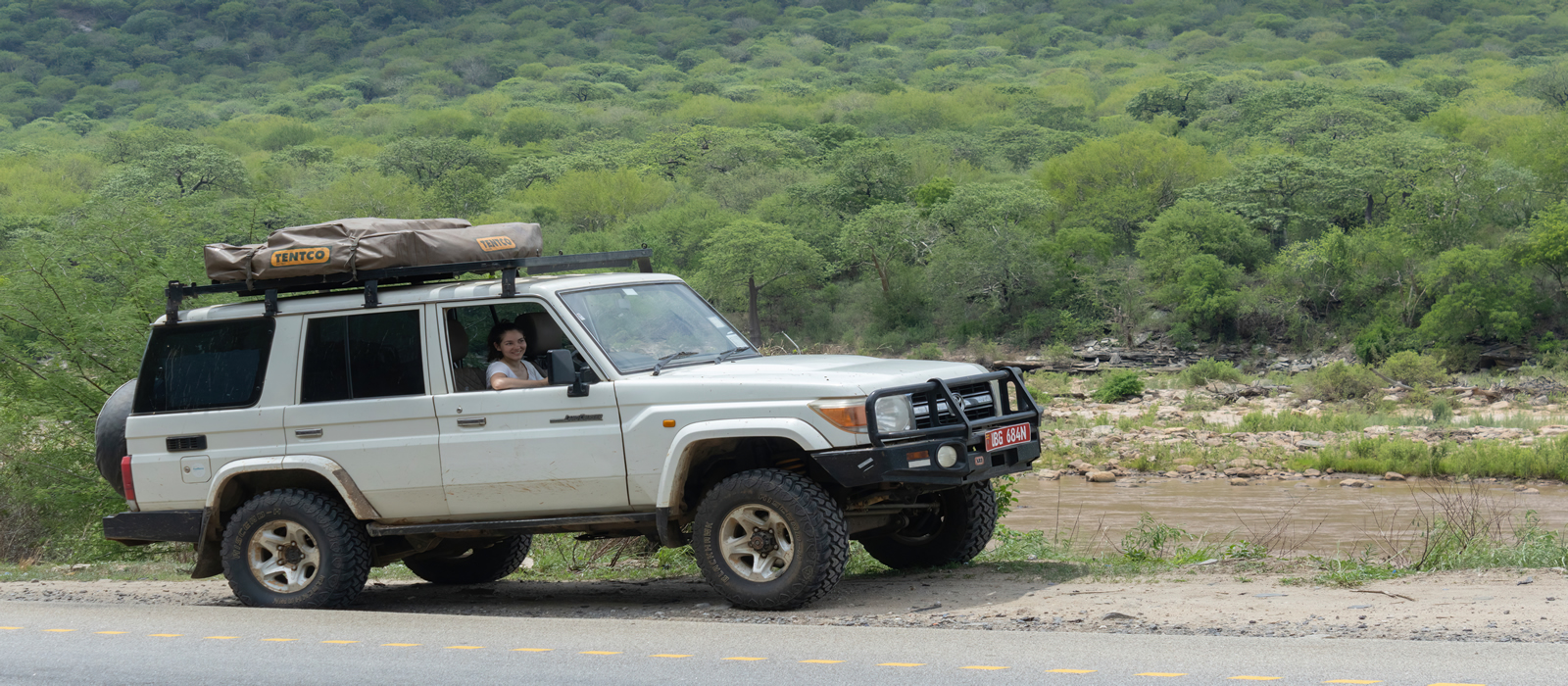
How can you compare two Uganda safari quotations?
Request a written itinerary and itemized quotation before paying a deposit. Use the same travel dates, group size, accommodation level and activities when comparing a package with a self-arranged plan.
Transport
- Is the vehicle private or shared, and what model, seating and luggage capacity are provided?
- Is fuel included? Are airport transfers and one-way drop-off fees included?
- Are the driver-guide’s meals and accommodation covered?
Accommodation and meals
- Which properties and room types are booked, and how many nights are included?
- Which meals, taxes and mandatory service charges are covered?
- Is the accommodation near the correct park gate or activity meeting point?
Activities and permits
- Are Park entry and vehicle fees included?
- Are gorilla or chimpanzee permits confirmed and included, if relevant?
- Are boat trips, game drives, ranger fees and transfers to activities included?
- Which activities require extra payment, and what happens if plans change?
Insurance and breakdowns
- What cover applies, what is the excess, and what damage is excluded?
- Who pays for recovery or replacement transport after a breakdown?
- What support is available if a vehicle fails in a remote area?
Booking terms and final cost
- What deposit is required, when is the balance due, and what are the cancellation and refund conditions?
- Can permit, accommodation or transport prices change after confirmation?
- What expenses remain payable locally, including tips, drinks, insurance and flights?
- What is the total for the group and the cost per traveler?
A clear quotation should let you understand what you are paying for without guessing. Keep the operator’s written answers with your booking documents.
What mistakes should you avoid?
Comparing a rental rate with a complete safari price. A vehicle-only daily rate is not equivalent to a package with transport, lodging, meals, activities and a guide.
Assuming a package is all-inclusive. Check the exclusions, especially permits, drinks, tips, insurance and optional activities.
Choosing self-drive without checking the route. Select a vehicle for the actual itinerary and conditions, not only the lowest advertised rate.
Underestimating travel days. Allow time for stops, refueling, road delays and the final approach to your accommodation. Ask local guides or the lodge to confirm realistic drive times for your exact route; leave those estimates to the field team.
Ignoring insurance exclusions. Confirm the cover and remaining financial responsibility in writing.
Booking activities before confirming the itinerary. Check dates, locations, permits and transfers before finalizing the rest of the trip.
Treating old prices as current. Park tariffs, lodging rates, fuel prices and rental conditions change. Confirm current amounts before paying, especially for a future season.
Should you choose a package, self-drive or a hybrid trip?
Start with what matters most to you, then compare complete itineraries. These are useful starting points rather than strict rules: a private package can be flexible, and a carefully planned self-drive trip can be manageable.
| Your priority | Option to consider |
| Convenience and minimal planning | Packaged guided safari |
| Independent travel and flexible stops | Self-drive safari |
| First visit with limited time | Packaged guided safari |
| Confident driver who enjoys planning | Self-drive safari |
| Specialist activities needing coordination | Guided or hybrid arrangement |
| Sharing vehicle costs with friends | Compare complete group totals |
| Independent itinerary without driving | Vehicle with a driver-guide |
| A mix of freedom and support | Hybrid safari |
A guided package buys coordination, convenience and professional support. Self-drive buys more independence and direct control over the itinerary. A hybrid trip combines selected services with independent planning. The right choice is the one that fits your budget, time, group and comfort with responsibility.
For a fair decision, build two quotes for the same route, dates, accommodation standard, activities and group size. Include fuel, permits, meals, park fees, insurance and other likely costs. Then weigh the totals against how much planning and driving you are willing to do. The lowest advertised price is not always the lowest-cost way to get the trip you want.
Frequently asked questions
Is a Uganda safari package cheaper than self-drive?
Not always. Packages and self-drive prices often include different things. Compare complete totals for the same itinerary, group size and accommodation standard, including permits, fuel, meals, activities, fees and insurance.
Is self-drive in Uganda suitable for first-time visitors?
It can be suitable for travelers who are comfortable driving unfamiliar roads and managing bookings, navigation and vehicle issues. If you are unsure about long drives or rural conditions, consider a driver-guide or a hybrid option.
Are gorilla trekking permits included in safari packages?
Some operators include them; others quote them separately. Ask whether the permit is confirmed for your date and trekking sector, whether any handling fee applies, and what the cancellation terms are.
Can I hire a driver without booking a full package?
Often, yes. Ask a rental company or operator what the driver service includes. Confirm whether it covers guiding, meals, accommodation and activity coordination, or only driving.
How do I compare safari prices for a family or group?
Request the total for the entire group and divide it by the number of travelers only after checking capacity, room arrangements, meals and included activities. A private vehicle’s cost can be shared, but group needs may change the accommodation and activity totals.