- 4x4 Selfdrive Uganda
- +256 701819223
- +256 774819223
- info@4x4selfdriveuganda.com


Family Rooftop Safaris vs Lodge Safaris
January 12, 2026
Car Rental with Rooftop Tent in Uganda
January 12, 2026
4×4 Rooftop Tent Car: 4×4 Self drive Uganda. The idea of exploring Africa at one’s own pace, waking up to the sounds of nature, and carrying both transport and accommodation in a single, reliable setup has steadily transformed from a niche travel concept into a defining symbol of modern adventure. At the center of this transformation stands the 4×4 rooftop tent car, a vehicle configuration that has redefined how African safaris and overland journeys are experienced. This guide has been written to offer a deep, factual, and authoritative explanation of what a 4×4 rooftop tent car truly represents, how it is used, and why it has become one of the most practical and immersive ways to travel across Africa’s wild landscapes.
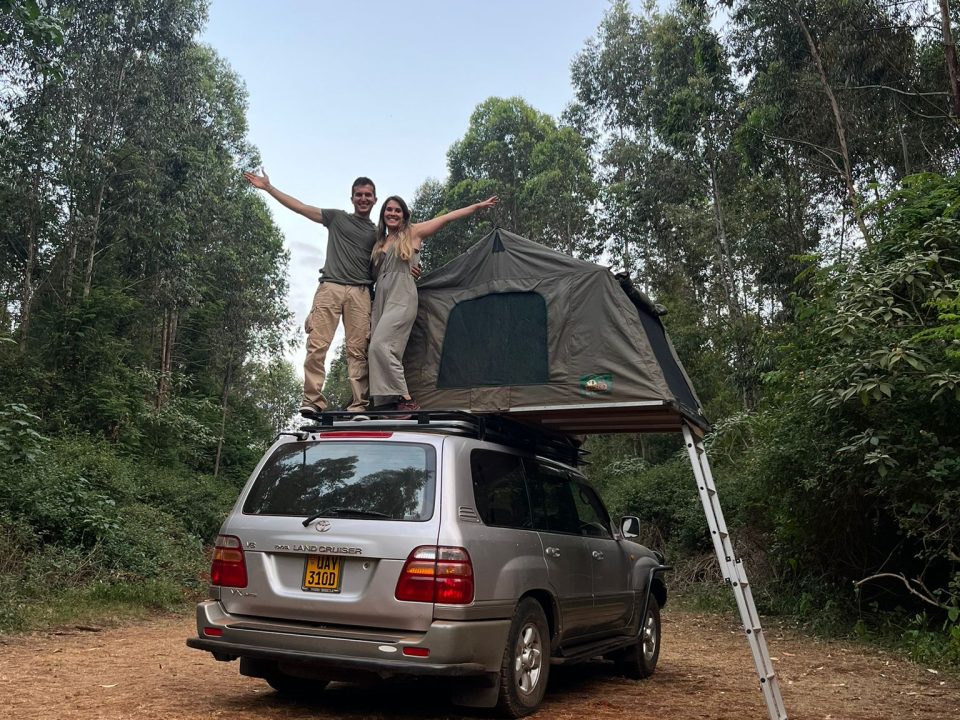
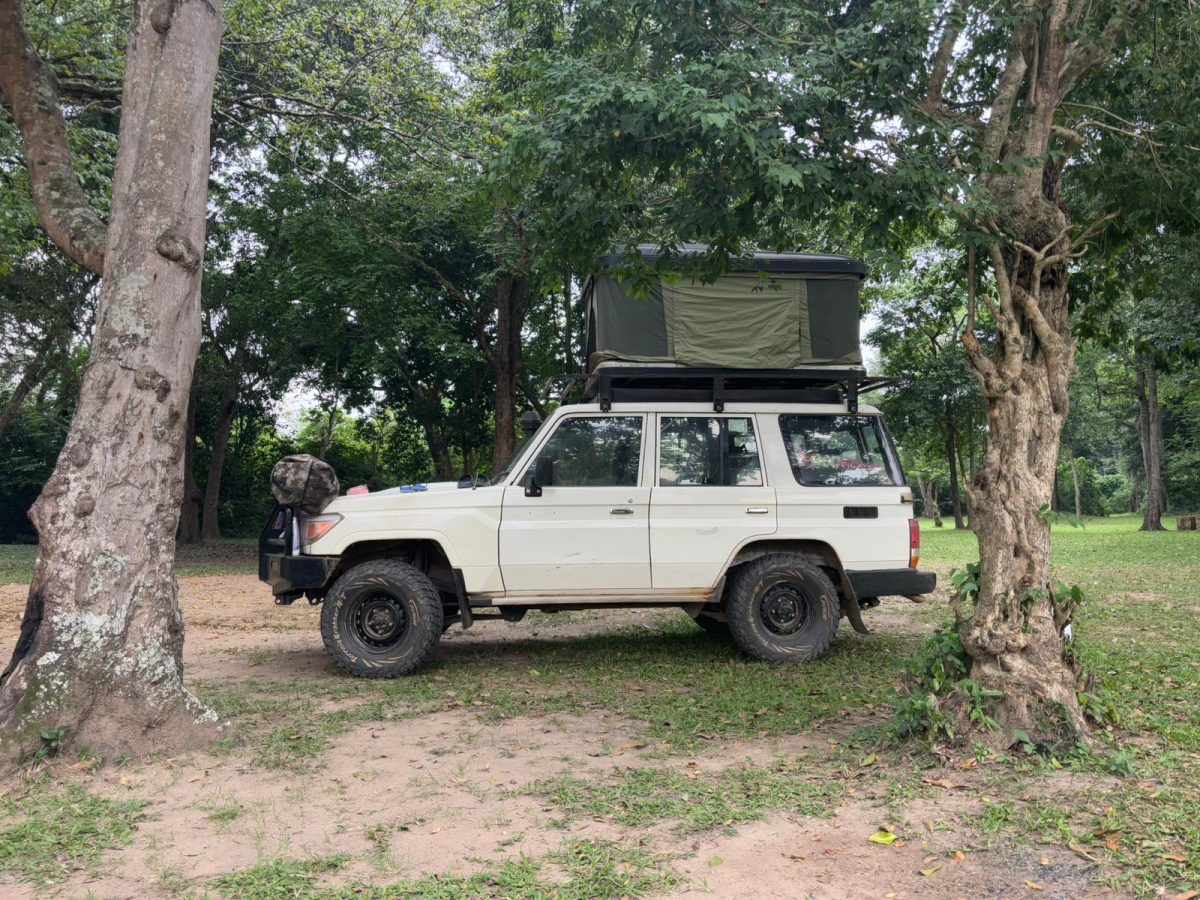
A 4×4 rooftop tent car is not merely a vehicle with a tent mounted on top. It is best understood as a self-contained safari system designed to navigate rough terrain, support extended travel, and provide safe, elevated accommodation in remote environments. Across East Africa and Southern Africa, this setup has been embraced by families, couples, photographers, researchers, and budget-conscious travelers alike. Its appeal lies in the balance it creates between independence and security, adventure and practicality, simplicity and resilience.
In this ultimate guide, the concept of the 4×4 rooftop tent car is examined through multiple dimensions. Its geographical relevance, its role in accessing wildlife and attractions, the activities it supports, the best times for its use, accommodation considerations, essential travel insights, and its broader conservation and cultural significance are all explored. While the tone remains formal and factual, attention has been given to ensuring clarity, depth, and usefulness, aligning with the expectations of modern readers and search intent.
Location & Accessibility
The relevance of a 4×4 rooftop tent car is closely tied to geography. Africa, with its vast distances, variable road conditions, and protected wilderness areas, presents a landscape where conventional travel methods often fall short. National parks, game reserves, and remote cultural regions are frequently connected by gravel roads, dirt tracks, seasonal river crossings, and rugged terrain that demand both high ground clearance and four-wheel-drive capability.
In East Africa, countries such as Uganda, Kenya, Tanzania, and Rwanda present a mix of paved highways and remote access routes leading into national parks like Queen Elizabeth, Murchison Falls, Masai Mara, Serengeti, and Kidepo Valley. While main roads may be accessible by standard vehicles, the deeper and more rewarding areas of these parks are best reached using a 4×4 rooftop tent car, which is engineered to handle mud, sand, rocky inclines, and uneven surfaces without compromising safety.
Accessibility is further enhanced by the mobility offered through this setup. Unlike fixed-lodge itineraries, travel routes can be adjusted based on weather, wildlife movements, or personal interest. Campsites located within or near parks are often spread out, allowing travelers to position themselves closer to desired ecosystems. This flexibility ensures that even lesser-visited regions, often overlooked due to logistical challenges, become reachable and enjoyable.
In Southern Africa, particularly in Namibia, Botswana, and parts of South Africa, the rooftop tent car has become almost synonymous with self-drive safaris. Long stretches of open land, sparse infrastructure, and remote desert or wetland environments make this setup not only accessible but essential. Thus, the 4×4 rooftop tent car functions as both a key and a bridge, unlocking regions that would otherwise remain inaccessible to independent travelers.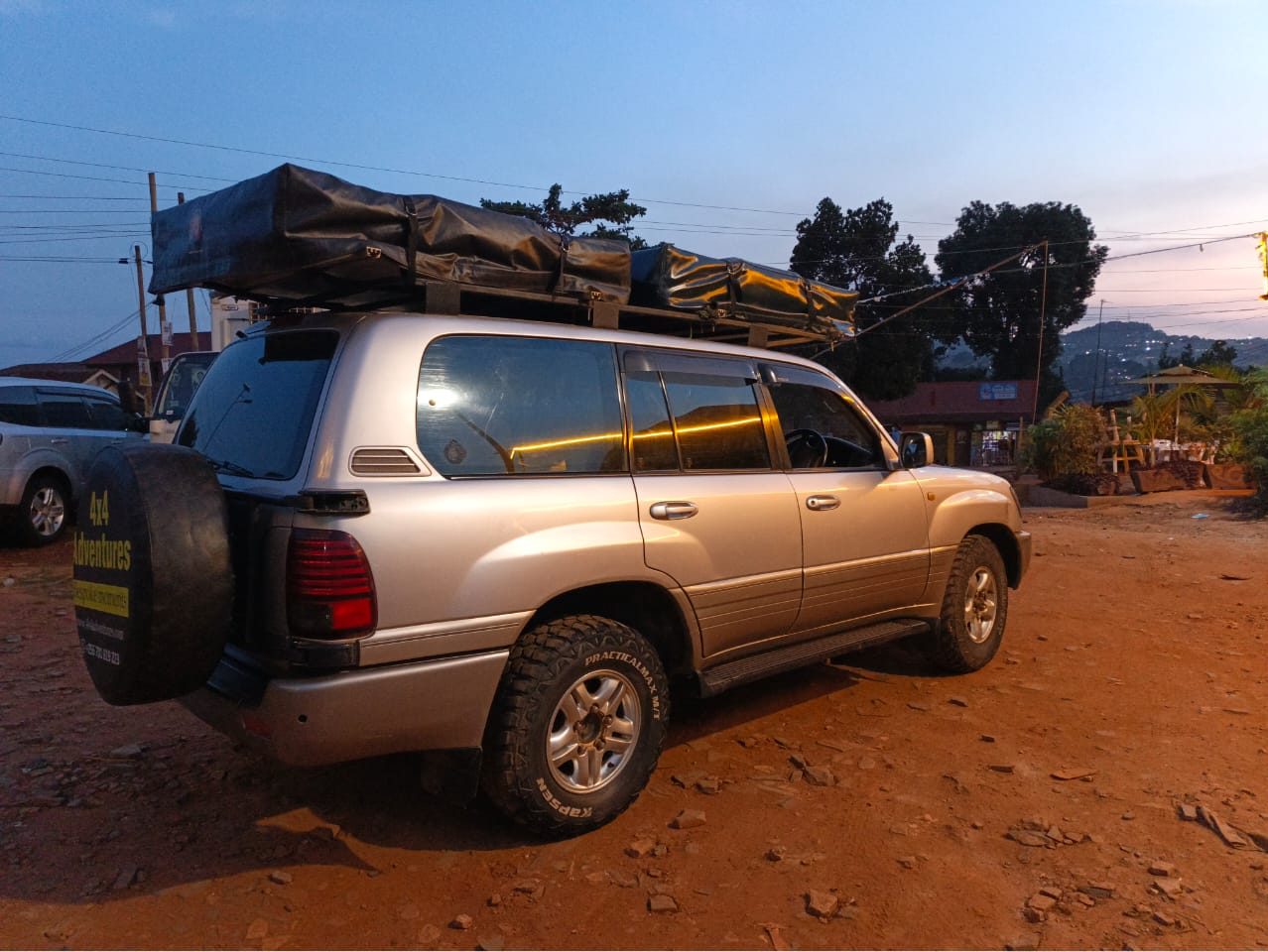
Wildlife & Attractions
While a vehicle itself does not host wildlife, the 4×4 rooftop tent car fundamentally shapes how wildlife and attractions are experienced. Its mobility allows travelers to position themselves within diverse ecosystems, from savannahs and wetlands to forests and semi-arid regions. As a result, wildlife encounters are not confined to scheduled game drives but are woven into the rhythm of daily travel.
In many African parks, wildlife is not restricted to viewing points. Elephants may cross tracks unexpectedly, lions may rest near campsites, and antelope may graze close to the road. The ability to stop safely, observe respectfully, and move on without disruption is a key advantage of traveling in a dedicated safari vehicle. The elevated seating position and open viewing angles typical of 4×4 vehicles further enhance wildlife observation.
Attractions accessed through rooftop tent travel extend beyond animals. Landscapes themselves become central features. Sunrise over open plains, mist rising from river valleys, volcanic craters, escarpments, and remote lakes are experienced without the buffer of permanent structures. Cultural attractions, including rural villages, traditional markets, and community-run conservation areas, are also more easily reached when travel is not bound to lodge locations.
The rooftop tent car allows attractions to be experienced in sequence rather than isolation. A journey may begin in a bustling town, move through agricultural landscapes, transition into wilderness, and conclude at a secluded campsite. This continuity deepens understanding and appreciation of Africa’s ecological and cultural diversity.
Activities & Things to Do
The range of activities supported by a 4×4 rooftop tent car is remarkably broad, largely because the vehicle serves as both a logistical base and a flexible platform for exploration. Game drives remain the most iconic activity, with early morning and late afternoon drives being easily undertaken from nearby campsites. The absence of strict schedules allows time to be adjusted according to wildlife movement and personal preference.
Photography benefits significantly from rooftop tent travel. Light conditions, weather changes, and unexpected sightings can be responded to immediately. Long waits at a single location, often required for capturing rare behavior, are made feasible without concern for returning to a distant lodge.
Nature walks, where permitted, are more accessible when camps are located closer to trailheads or ranger posts. Birdwatching becomes a continuous activity rather than a dedicated session, as birds are encountered throughout the day. Cultural visits to local communities are more naturally integrated, occurring en route rather than as pre-arranged excursions.
Even downtime becomes meaningful. Campsite life itself encourages reflection, storytelling, and learning. Meals are prepared in outdoor settings, maps are studied, and plans are shaped collaboratively. For families, children are exposed to practical skills and environmental awareness in a way that structured tours rarely provide.
Best Time to Visit
The effectiveness of a 4×4 rooftop tent car is closely linked to seasonal conditions. In general, dry seasons are considered optimal for rooftop tent travel due to improved road conditions and predictable wildlife concentrations around water sources. In East Africa, these periods typically fall between June and October, and again from December to February.
However, the shoulder and green seasons also hold value. While rain may increase the challenge of certain routes, landscapes become lush, birdlife flourishes, and tourist numbers decline. A properly equipped 4×4 vehicle mitigates many of the risks associated with wet conditions, allowing adventurous travelers to benefit from lower costs and quieter parks.
In Southern Africa, similar patterns apply, though regional variations are significant. Desert regions, for example, may be more comfortable during cooler months, while floodplain ecosystems offer dramatic wildlife viewing as water levels change.
Ultimately, the best time to use a rooftop tent car depends not only on climate but also on travel goals. Photographers, birders, and those seeking solitude may deliberately choose periods outside peak season, relying on the vehicle’s capability to maintain safety and comfort.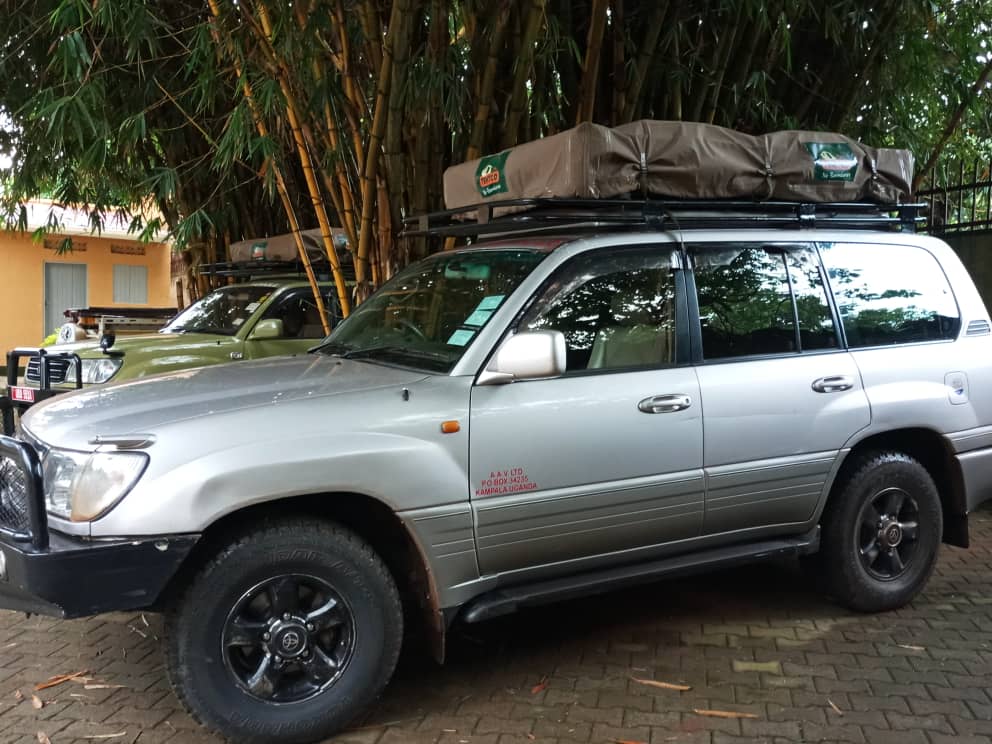
Accommodation Options
Accommodation within the context of a 4×4 rooftop tent car is inherently flexible. Designated campsites form the primary overnight option, ranging from basic public sites to well-maintained private camps with amenities such as ablution blocks, water points, and sometimes electricity. These campsites are often strategically located near wildlife corridors, water sources, or scenic viewpoints.
The rooftop tent itself provides a consistent sleeping environment regardless of campsite standard. Elevated above ground, it offers protection from moisture and wildlife, while integrated mattresses ensure comfort. The familiarity of one’s own sleeping space, carried from place to place, contributes to psychological comfort and routine.
In some itineraries, rooftop tent travel is combined with occasional lodge or guesthouse stays. This hybrid approach allows rest days, access to laundry facilities, or brief indulgence in higher comfort without abandoning the core philosophy of self-drive exploration.
The key distinction lies in autonomy. Accommodation is chosen based on preference and availability rather than necessity. This autonomy is a defining advantage of the rooftop tent car.
Travel Tips
Successful use of a 4×4 rooftop tent car is supported by preparation and informed decision-making. Vehicle reliability is paramount, and reputable rental providers ensure that cars are well-maintained and equipped with recovery gear. Familiarity with basic vehicle operation, including engaging four-wheel drive and managing tire pressure, enhances confidence and safety.
Route planning should account for fuel availability, park regulations, and campsite booking requirements. While spontaneity is a strength of rooftop travel, certain regions require advance reservations to manage conservation impact. Navigation tools, both digital and traditional, remain essential.
Health and safety considerations include adherence to park rules, respectful wildlife viewing practices, and awareness of local conditions. The elevated sleeping position of rooftop tents adds a layer of security, but caution is always advised when moving around campsites at night.
Cultural sensitivity should also guide interactions. Traveling independently places visitors in closer contact with local communities, making respectful communication and fair economic exchange important aspects of the journey.
Conservation & Cultural Significance
The 4×4 rooftop tent car holds significance beyond individual travel experiences. By supporting campsite-based tourism and extended stays, this travel style contributes to conservation funding through park fees and local services. It disperses economic benefits across wider regions rather than concentrating them in a limited number of lodges.
From a cultural perspective, rooftop travel fosters engagement rather than isolation. Markets, roadside communities, and cultural sites become part of the journey rather than optional add-ons. This exposure encourages understanding and respect, aligning tourism with broader development goals.
Environmental awareness is often heightened through rooftop travel. Limited water storage, waste management responsibility, and close proximity to nature reinforce sustainable habits. Travelers become active participants in conservation rather than passive consumers of scenery.
Why Visit This Park? (Traveler’s Takeaway)
The concept of “this park” can be understood metaphorically as the African wilderness itself, accessed and experienced through a 4×4 rooftop tent car. The reason to choose this mode of travel lies in the depth and authenticity it offers. Africa is not simply visited; it is lived in, even if briefly.
For travelers seeking control over their journey, meaningful connection with landscapes, and the satisfaction of self-reliance, the rooftop tent car stands as an unmatched option. It bridges the gap between exploration and responsibility, adventure and comfort, budget and value.
The memories formed through rooftop travel are shaped by participation rather than observation. Roads become stories, campsites become classrooms, and the journey itself becomes the destination.
For those inspired to experience Africa through the freedom and authenticity of a 4×4 rooftop tent car, it is strongly recommended that Africa tours and safaris be planned and booked through 4×4 Selfdrive Uganda. With regional expertise, reliable vehicles, and a deep understanding of self-drive travel across East Africa, journeys are thoughtfully supported from planning to completion. Through the right partnership, the ultimate rooftop tent adventure in Africa can be realized with confidence, safety, and lasting impact.