- 4x4 Selfdrive Uganda
- +256 701819223
- +256 774819223
- info@4x4selfdriveuganda.com

How to Travel on a Budget on an African Safari
January 12, 2026
4×4 Rooftop Tent Car: 4×4 Self drive Uganda
January 12, 2026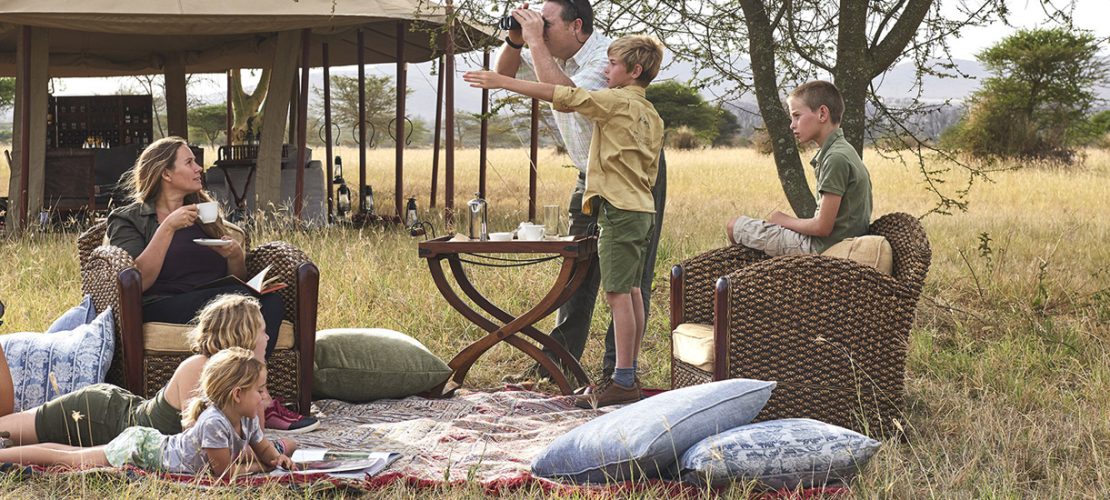
Two Safari Worlds, One African Dream
The African safari has long been imagined as a once-in-a-lifetime journey defined by golden savannahs, distant lion roars, crackling campfires, and unforgettable wildlife encounters. For families planning this extraordinary adventure, an important decision is quietly made long before the first giraffe is spotted or the first sunset is photographed. That decision lies in choosing between family rooftop safaris and traditional lodge safaris, two vastly different ways of experiencing Africa’s wilderness.
Both safari styles promise wonder, education, and connection, yet the experiences delivered can feel worlds apart. One is grounded in independence, flexibility, and immersion, while the other is shaped by comfort, structure, and curated luxury. Families often find themselves torn between these options, unsure which path will deliver the richest memories, the deepest bonding, and the most meaningful encounters with Africa’s natural heritage.
In this comprehensive guide, family rooftop safaris vs lodge safaris is explored with depth, clarity, and factual insight. The differences are carefully examined through the lenses of cost, experience, safety, learning opportunities, flexibility, emotional connection, and long-term value. The goal is not persuasion, but illumination, allowing families to make informed choices aligned with their values, expectations, and travel style.
What follows is a detailed, formal, and experience-driven exploration written to meet modern search intent, reflect genuine safari expertise, and deliver practical clarity for families dreaming of Africa.
Understanding the Safari Landscape for Families
The African Safari as a Family Experience
An African safari is not merely a holiday. It is an educational journey, an emotional experience, and a powerful bonding opportunity for families. Children are introduced to ecosystems that cannot be replicated in classrooms. Parents witness curiosity being sparked in real time. Shared discoveries, from a herd of elephants crossing a dusty track to stars glittering above the bush, become lifelong family stories.
Within this context, the choice between family rooftop safaris and lodge safaris becomes especially significant. The structure of accommodation, daily rhythm, and level of independence influence how deeply families engage with their surroundings and with one another.
What Defines a Family Rooftop Safari
The Essence of Rooftop Tent Travel
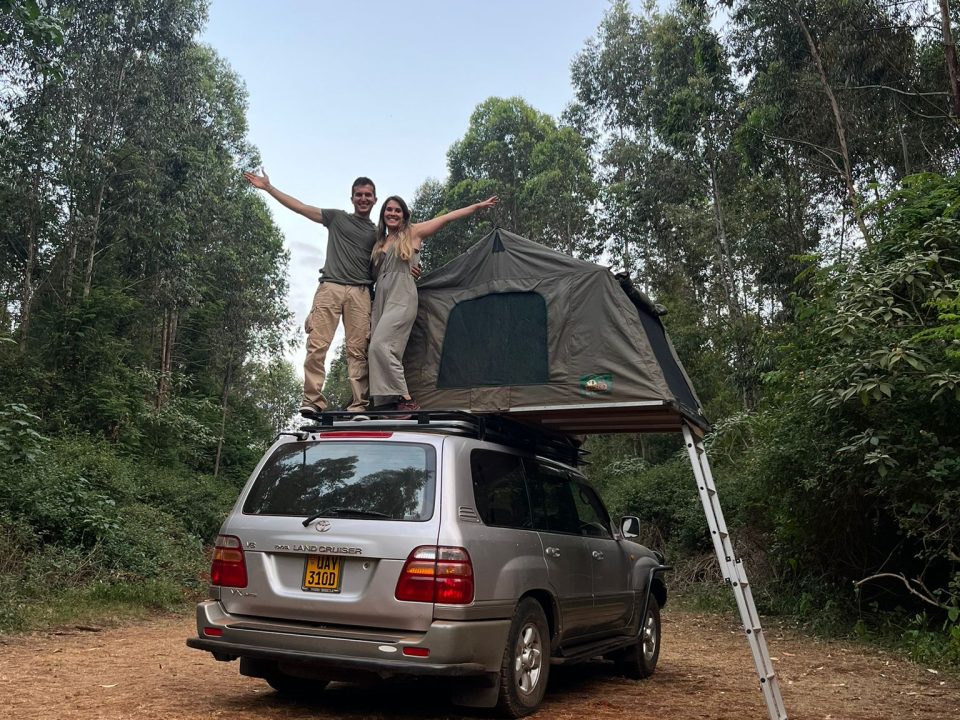
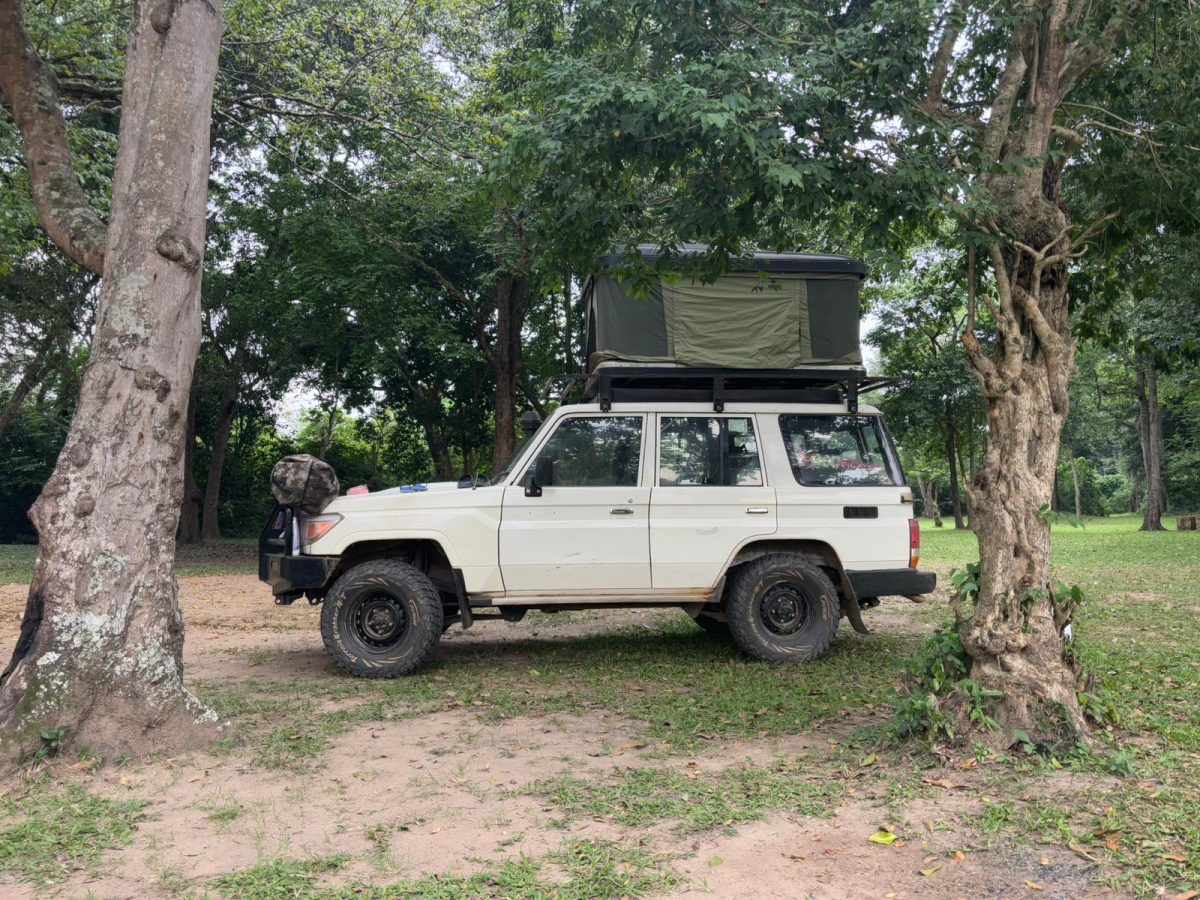
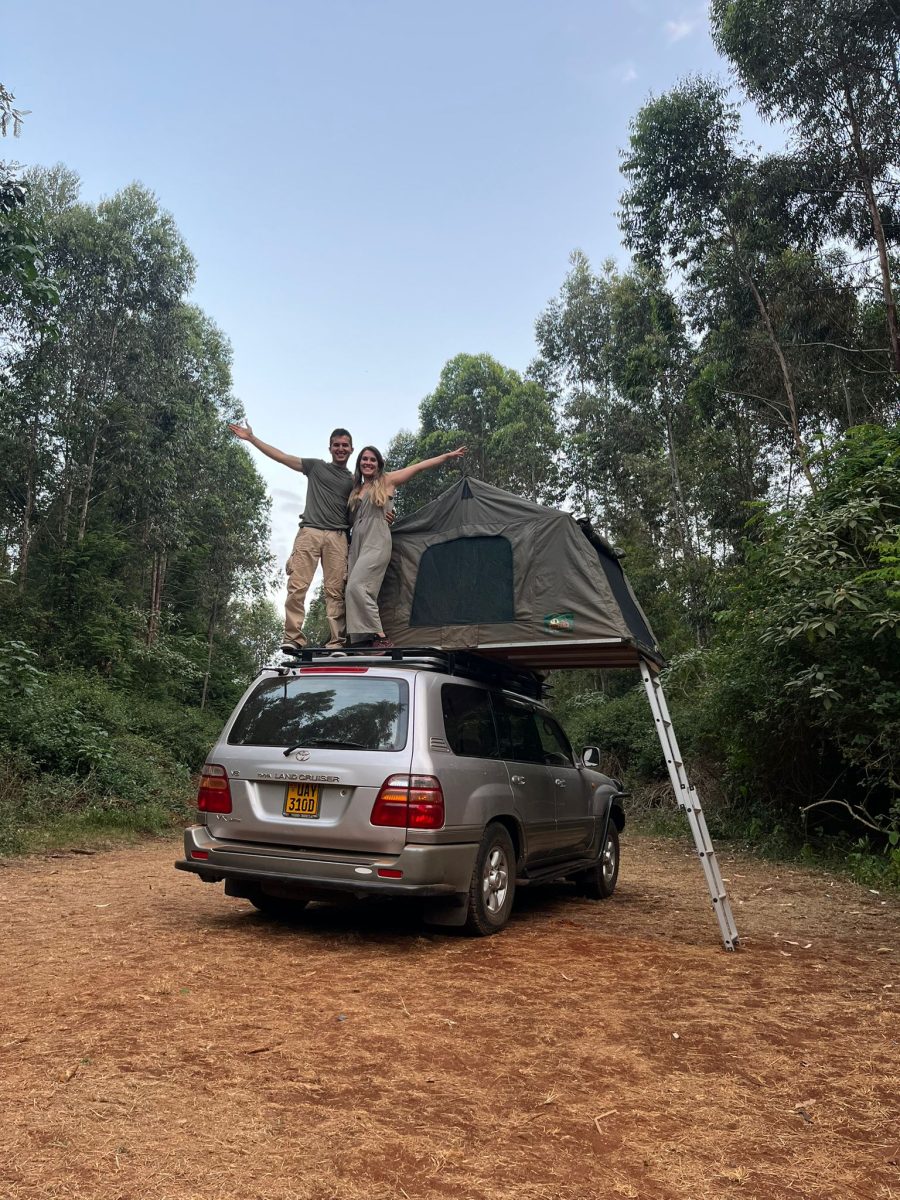
A family rooftop safari is built around a specially equipped 4×4 vehicle fitted with one or more rooftop tents. These tents unfold above the vehicle, creating a secure sleeping platform elevated from the ground. The vehicle serves simultaneously as transportation, accommodation, and a mobile base for exploration.
Travel is typically self-driven or lightly guided, and nights are spent at designated campsites within or near national parks. Meals are prepared at camp, mornings begin with wildlife sounds, and routes are shaped by curiosity rather than rigid schedules.
The Family Dynamic in Rooftop Safaris
For families, this safari style fosters togetherness. Shared responsibilities, from setting up camp to preparing meals, encourage cooperation and learning. Children become active participants rather than passive observers. The safari unfolds at the family’s pace, with room for spontaneity, flexibility, and adjustment based on energy levels and interests.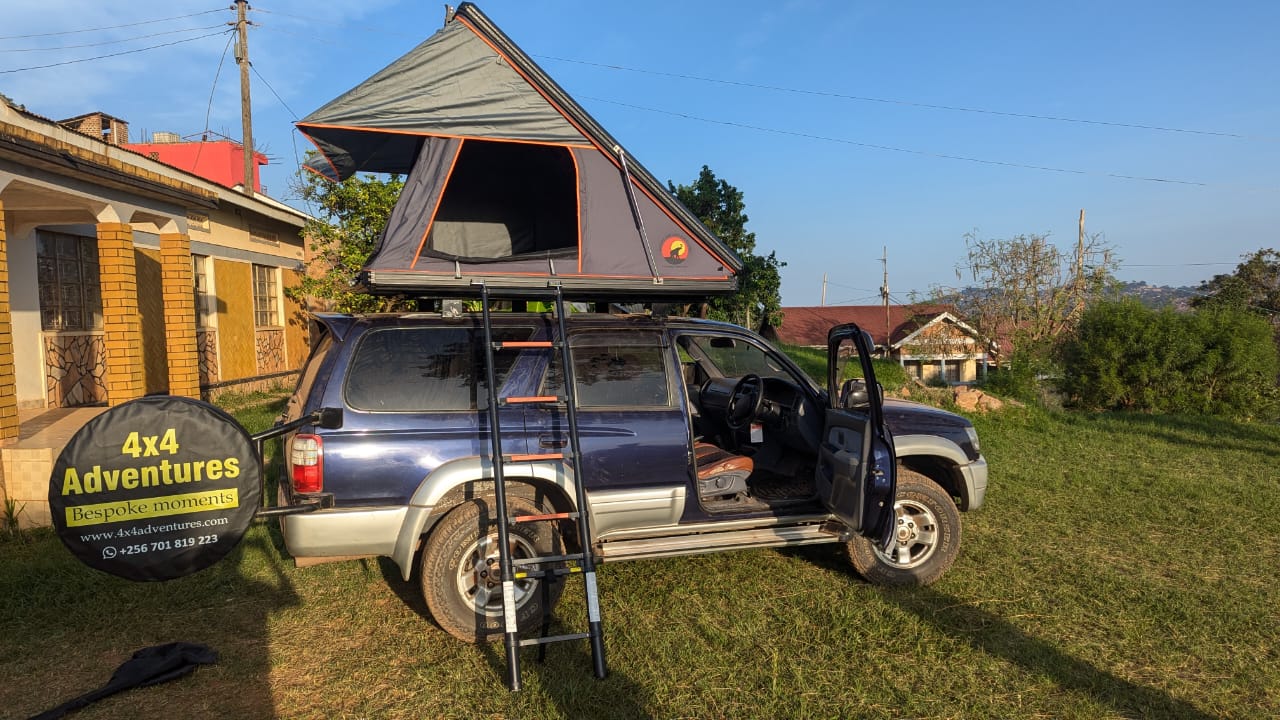
What Defines a Lodge Safari
The Structure of Traditional Safari Lodges
Lodge safaris are centered around fixed accommodations ranging from mid-range tented camps to ultra-luxury lodges. Families are hosted within private or semi-private properties where meals, game drives, and activities are organized by professional staff.
Daily schedules are typically pre-planned, with guided game drives conducted at set times. Accommodation offers permanent beds, private bathrooms, and a high level of service designed to ensure comfort and convenience.
The Family Experience in Lodges
For families, lodge safaris offer predictability and ease. Children are cared for within a safe and controlled environment, while parents enjoy the reassurance of professional guides and staff. Educational interpretation is often delivered by experienced naturalists, and downtime is spent within comfortable surroundings.
Cost and Value: A Critical Comparison
The Financial Reality of Family Rooftop Safaris
Family rooftop safaris are widely recognized as one of the most cost-effective ways to experience an African safari. By combining transportation and accommodation into a single resource, significant savings are achieved. Campsite fees are generally modest compared to lodge rates, and meals are prepared independently, reducing dining costs.
For families traveling together, these savings become substantial. Budget control is maintained throughout the journey, allowing longer stays, broader exploration, or additional activities without financial strain.
The Cost Structure of Lodge Safaris
Lodge safaris are priced on a per-person, per-night basis, with costs rising sharply for families. Accommodation, meals, guided activities, park fees, and service charges are bundled into nightly rates. While value is delivered through convenience and expertise, affordability can become a challenge for larger families or longer stays.
The experience is premium, but flexibility is limited by the financial commitment required.
Flexibility and Freedom of Movement
How Rooftop Safaris Empower Families
One of the most defining advantages of family rooftop safaris is freedom. Routes are chosen daily. Stops are made when curiosity calls. Time is extended at sightings when children are engaged, and days are shortened when rest is needed.
This flexibility allows families to respond naturally to wildlife encounters, weather conditions, and energy levels. Learning becomes organic, shaped by real-time experiences rather than fixed itineraries.
The Structured Nature of Lodge Safaris
Lodge safaris operate on schedules designed to maximize wildlife viewing while maintaining operational efficiency. Game drives depart at set times, meals follow fixed hours, and activities are coordinated across multiple guests.
While this structure ensures consistency and professionalism, it can feel restrictive for families with young children who require adaptable pacing.
Depth of Immersion in Nature
Living Within the Landscape on Rooftop Safaris
Rooftop safaris place families directly within the environment they have come to experience. Nights are spent under open skies, mornings begin with birdsong, and evenings conclude beside campfires.
This continuous immersion deepens emotional connection and environmental awareness. Children learn not only about animals, but about ecosystems, weather patterns, and conservation challenges through lived experience.
Observing from Comfort in Lodge Safaris
Lodge safaris offer a more observational relationship with nature. Wildlife encounters occur during guided drives, while downtime is spent within the lodge environment.
This separation enhances comfort and safety but slightly distances guests from the raw rhythms of the wild. The experience is refined rather than immersive.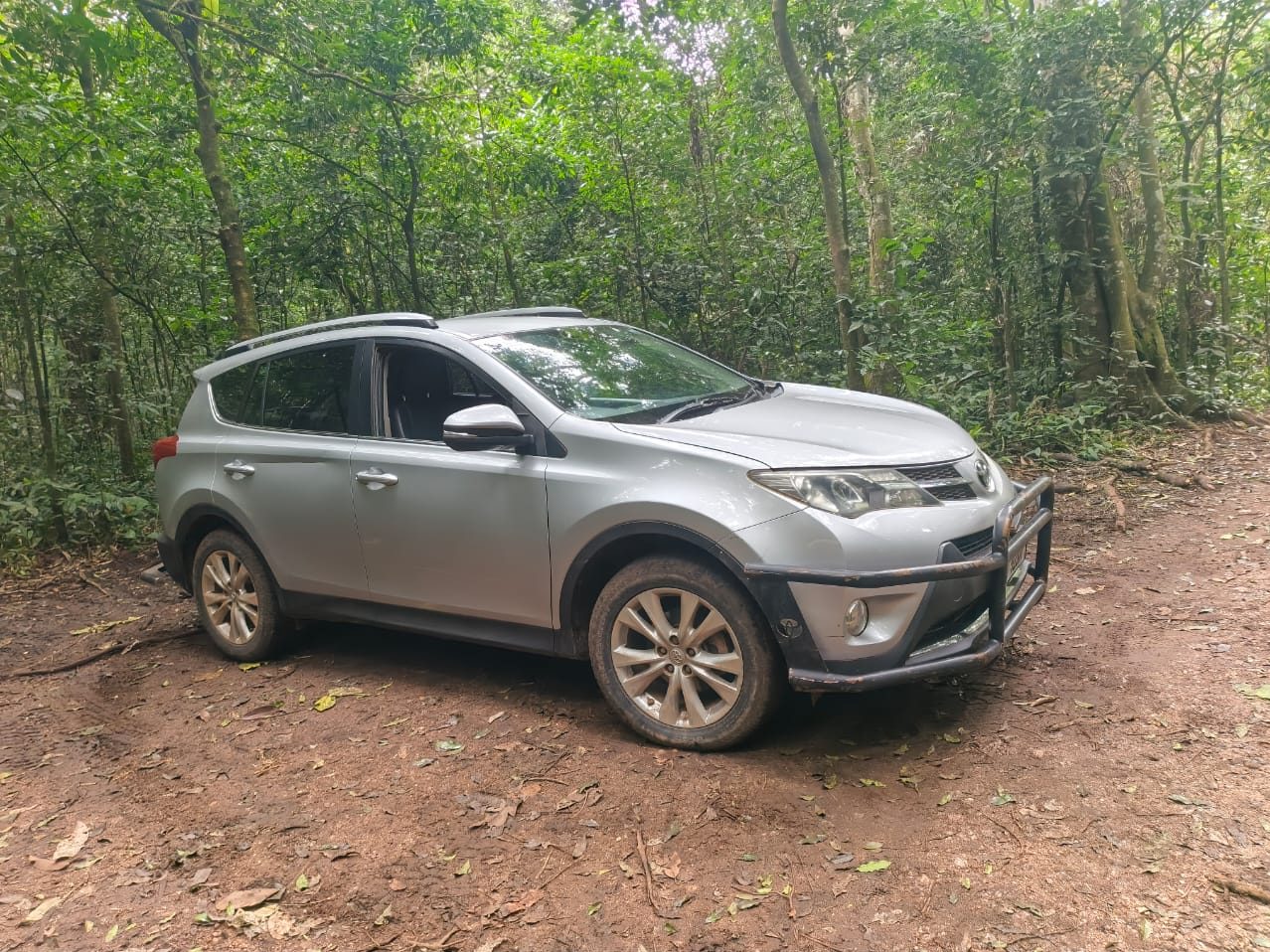
Safety and Peace of Mind
Perceived and Practical Safety in Rooftop Safaris
Family rooftop safaris are often misunderstood as unsafe, yet in reality, safety is carefully managed. Rooftop tents provide elevated sleeping positions, reducing wildlife interaction risks. Campsites are designated, monitored, and designed for overnight stays in wildlife areas.
With proper guidance, route planning, and adherence to park regulations, rooftop safaris are conducted safely and responsibly. Families gain confidence through knowledge and preparation.
The Controlled Safety of Lodge Safaris
Lodge safaris offer high levels of perceived and practical safety. Properties are secured, staff are trained in wildlife behavior, and children are supervised within defined spaces.
For families seeking reassurance and minimal responsibility, this environment offers peace of mind and simplicity.
Educational Value for Children
Learning Through Participation on Rooftop Safaris
Education during family rooftop safaris is experiential. Children learn by doing, observing, questioning, and reflecting. Wildlife tracking, map reading, camp setup, and environmental awareness become part of daily life.
This hands-on approach fosters curiosity, responsibility, and respect for nature. Lessons learned extend far beyond the safari itself.
Guided Learning in Lodge Safaris
Lodge safaris deliver structured education through professional guides and naturalists. Interpretations are accurate, engaging, and age-appropriate.
While highly informative, learning is often delivered passively, with less opportunity for practical involvement.
Comfort, Convenience, and Expectations
Comfort Trade-Offs in Rooftop Safaris
Comfort in rooftop safaris is practical rather than luxurious. Sleeping arrangements are secure and functional, facilities are shared at campsites, and daily routines require participation.
For families who value experience over indulgence, this simplicity enhances authenticity. Expectations are shaped by adventure rather than amenities.
Luxury and Ease in Lodge Safaris
Lodge safaris excel in comfort. Spacious rooms, private bathrooms, attentive service, and gourmet dining are standard.
For families prioritizing relaxation and ease, this environment provides indulgence and stress-free travel.
Emotional Connection and Family Bonding
Shared Responsibility and Bonding on Rooftop Safaris
Family rooftop safaris naturally encourage teamwork. Tasks are shared, decisions are made collectively, and challenges are faced together.
These shared experiences strengthen family bonds and create lasting memories rooted in cooperation and discovery.
Relaxed Bonding in Lodge Safaris
Lodge safaris foster bonding through shared observation and relaxation. Families connect over game drive stories, meals, and downtime within comfortable surroundings.
The experience is enriching, though less interactive in daily logistics.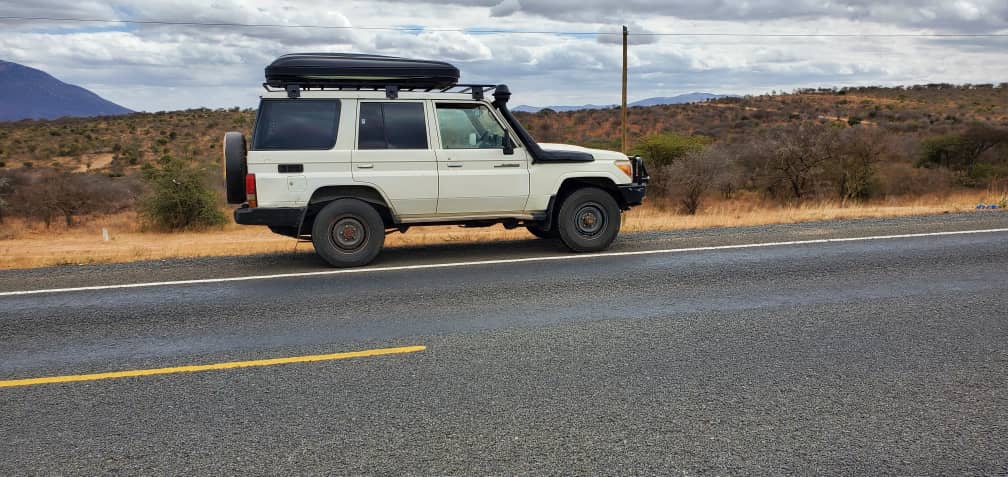
Sustainability and Environmental Awareness
Low-Impact Travel Through Rooftop Safaris
Rooftop safaris often support sustainable tourism by utilizing established campsites, minimizing infrastructure impact, and encouraging responsible resource use.
Families become more conscious of water consumption, waste management, and conservation ethics through daily practice.
Conservation Support Through Lodges
Many lodges actively support conservation initiatives and community development. By staying in lodges, families indirectly contribute to these efforts.
The impact is significant, though less visible to guests.
Which Safari Style Is Right for Your Family
Aligning Travel Style with Family Values
The choice between family rooftop safaris vs lodge safaris ultimately depends on family priorities. Adventure-oriented families seeking immersion, affordability, and flexibility often find rooftop safaris deeply rewarding. Families seeking comfort, predictability, and guided expertise may feel better aligned with lodge safaris.
Neither option is superior in absolute terms. Each offers distinct value shaped by expectations, experience levels, and travel goals.
Choosing the Safari That Shapes Memories
An African safari is remembered not only for the wildlife encountered, but for how the journey is lived. Whether through the independence of a family rooftop safari or the refinement of a lodge safari, Africa offers profound experiences capable of shaping perspectives and strengthening family bonds.
The decision is best made with clarity, honesty, and informed understanding. When expectations align with experience, the safari becomes more than a trip. It becomes a shared chapter in a family’s story.
Recommendation and Trusted Booking Partner
For families seeking authentic, flexible, and affordable African safari experiences, it is strongly recommended that Africa tours and safaris be planned and booked through 4×4 Selfdrive Uganda. With deep regional expertise, reliable vehicles, and a strong understanding of family travel needs, journeys are thoughtfully designed to balance safety, adventure, and value.
Through the right guidance and preparation, the African safari dream can be transformed into a meaningful, unforgettable family reality.