- 4x4 Selfdrive Uganda
- +256 701819223
- +256 774819223
- info@4x4selfdriveuganda.com

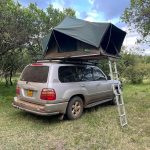
4×4 Rooftop Tent Car: 4×4 Self drive Uganda
January 12, 2026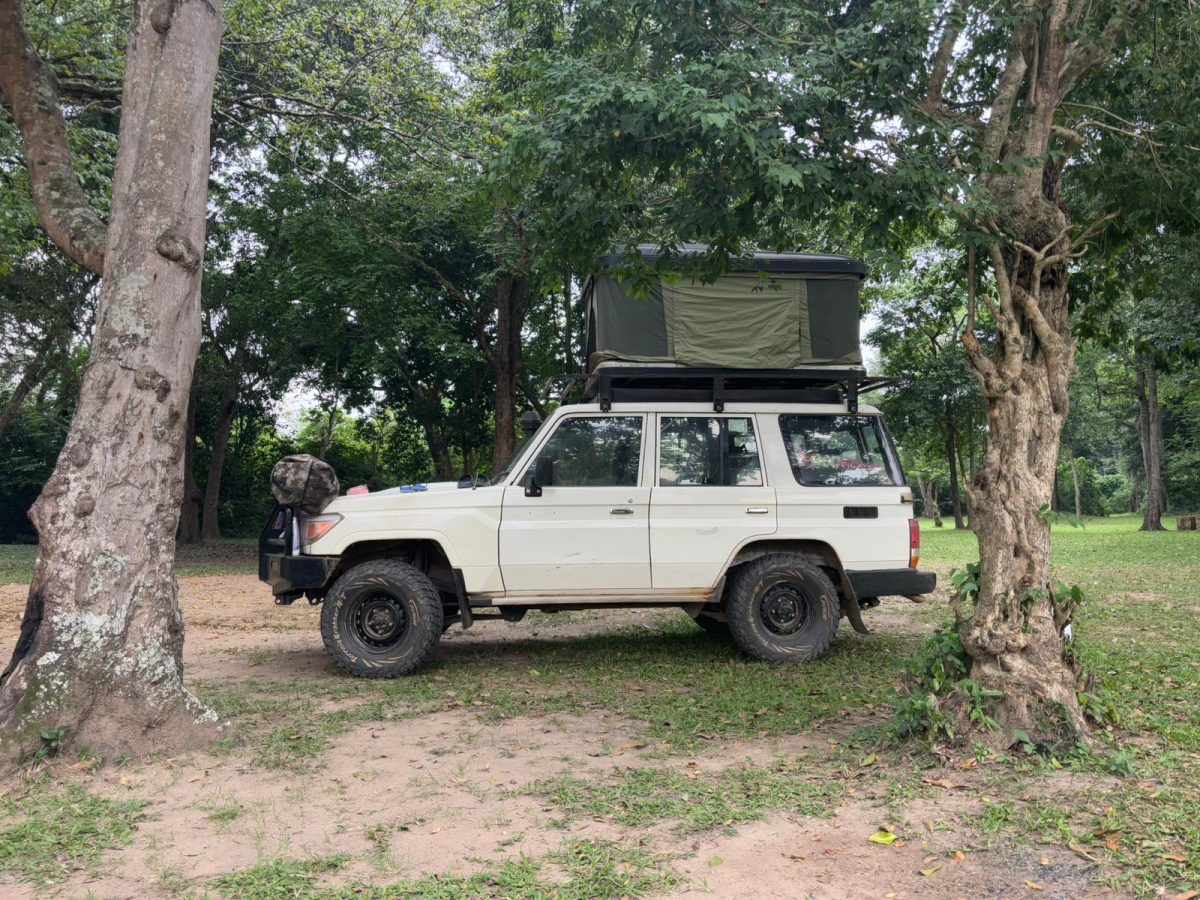
Car Rental with Rooftop Tent in Uganda. Across the vast and varied landscapes of Uganda, travel has always been shaped by distance, terrain, and the raw power of nature. From endless savannahs and dense forests to deserts, mountains, and river valleys, the continent demands a mode of exploration that is resilient, flexible, and deeply immersive. Over recent decades, car rental with a rooftop tent in Uganda has steadily emerged as one of the most practical and transformative ways to experience this diversity. What was once considered an unconventional approach has now become a preferred travel style for families, photographers, researchers, adventure seekers, and budget-conscious travelers alike.
The appeal of this travel method lies in its simplicity and ingenuity. A single vehicle is transformed into both transport and accommodation, allowing journeys to unfold without dependence on fixed hotels or lodges. The road itself becomes part of the experience, and the boundaries between travel, exploration, and rest are seamlessly dissolved. This article has been written to offer a deep, factual, and authoritative explanation of car rental with a rooftop tent in Uganda, exploring not only how it works but why it has become so relevant in the modern safari landscape.
Throughout this guide, attention is given to accuracy, depth, and usefulness. The realities of Ugandan travel are addressed honestly, while the advantages and considerations of rooftop tent rentals are explained in detail. The tone has been kept formal and informative, yet shaped by real-world experience and insight, ensuring that readers are not merely informed but genuinely prepared.
Understanding Car Rental with Rooftop Tent in Uganda
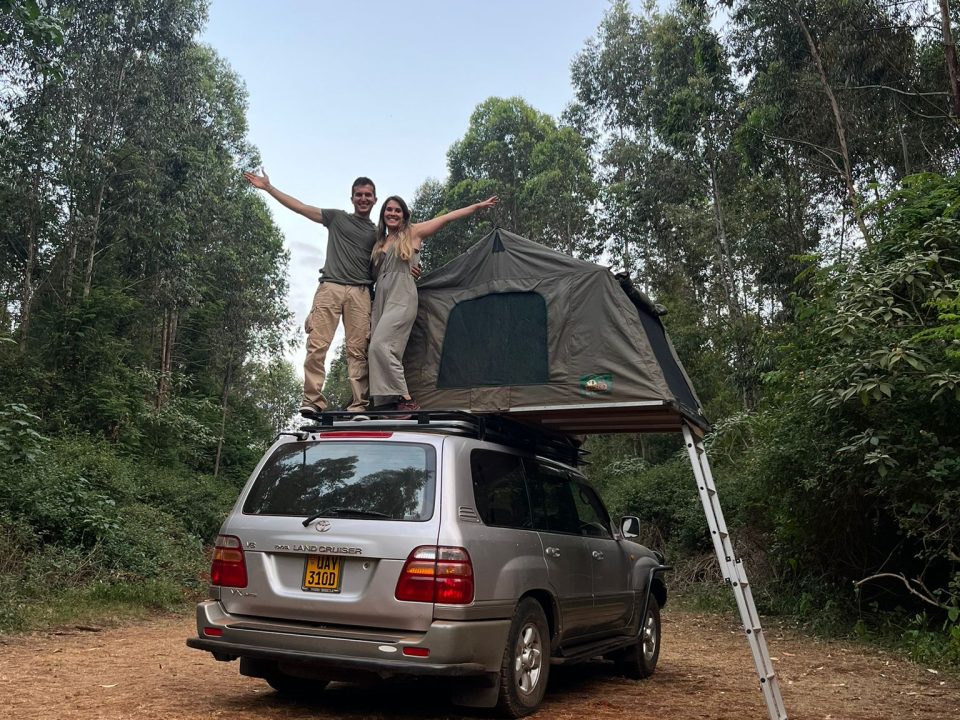
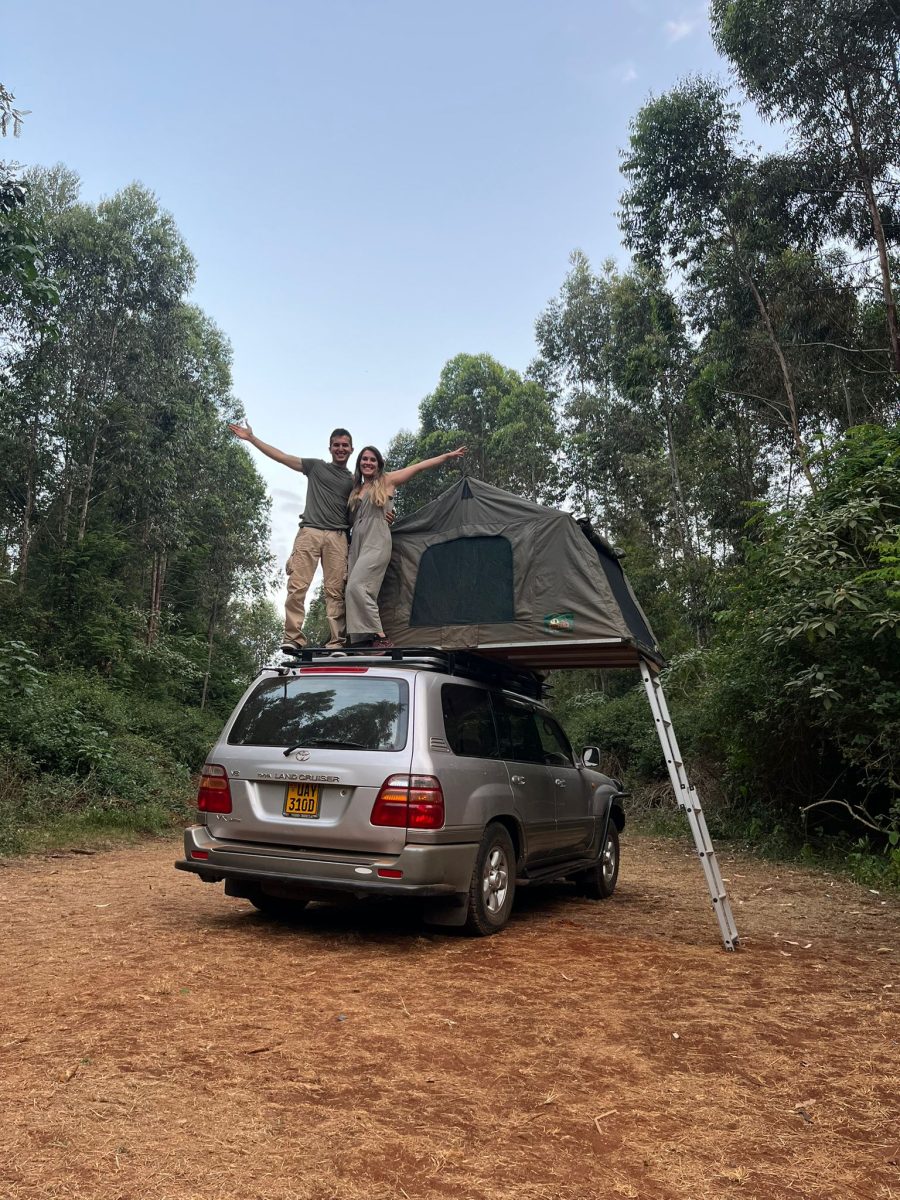
At its core, car rental with rooftop tent in Uganda refers to the hiring of a specially equipped four-wheel-drive vehicle fitted with a foldable tent mounted on its roof. This setup allows travelers to drive during the day and sleep securely above ground at night, usually within designated campsites located inside or near national parks and conservation areas. The vehicle is typically equipped with camping essentials, recovery gear, and storage systems designed for long-distance and off-road travel.
This travel model has been shaped by Uganda’s unique geography and infrastructure. While major cities are connected by paved roads, many of the continent’s most remarkable destinations lie far beyond urban centers. National parks, wildlife reserves, and remote cultural regions are often accessed via gravel roads, dirt tracks, or seasonal routes that require robust vehicles and careful navigation. In this context, the rooftop tent car is not a luxury but a practical response to environmental realities.
Unlike conventional car rental, where accommodation must be arranged separately, rooftop tent rental integrates lodging directly into the vehicle. This integration reduces logistical complexity while increasing independence. Travel decisions are made day by day, shaped by weather, wildlife movement, and personal interest rather than fixed bookings.
The Rise of Rooftop Tent Travel Across Uganda
The popularity of rooftop tent rentals has grown alongside changes in traveler expectations. Modern travelers increasingly seek authenticity, flexibility, and meaningful engagement with destinations. Uganda, with its strong sense of place and living landscapes, lends itself naturally to this approach.
In Southern Africa, particularly in Namibia and Botswana, rooftop tent travel has long been part of the safari culture. Vast distances, limited accommodation, and self-drive-friendly parks have made this setup almost essential. In East Africa, the model has expanded rapidly, especially in countries such as Uganda, Kenya, Tanzania, and Rwanda. As road networks improve and campsite infrastructure develops, rooftop tent travel has become more accessible and appealing.
This growth has also been supported by professional rental companies that understand regional conditions. Vehicles are increasingly offered with tailored equipment, clear guidance, and support services that reduce risk and enhance confidence for first-time travelers. As a result, car rental with rooftop tent in Uganda is no longer reserved for seasoned overlanders but is now accessible to a broader audience.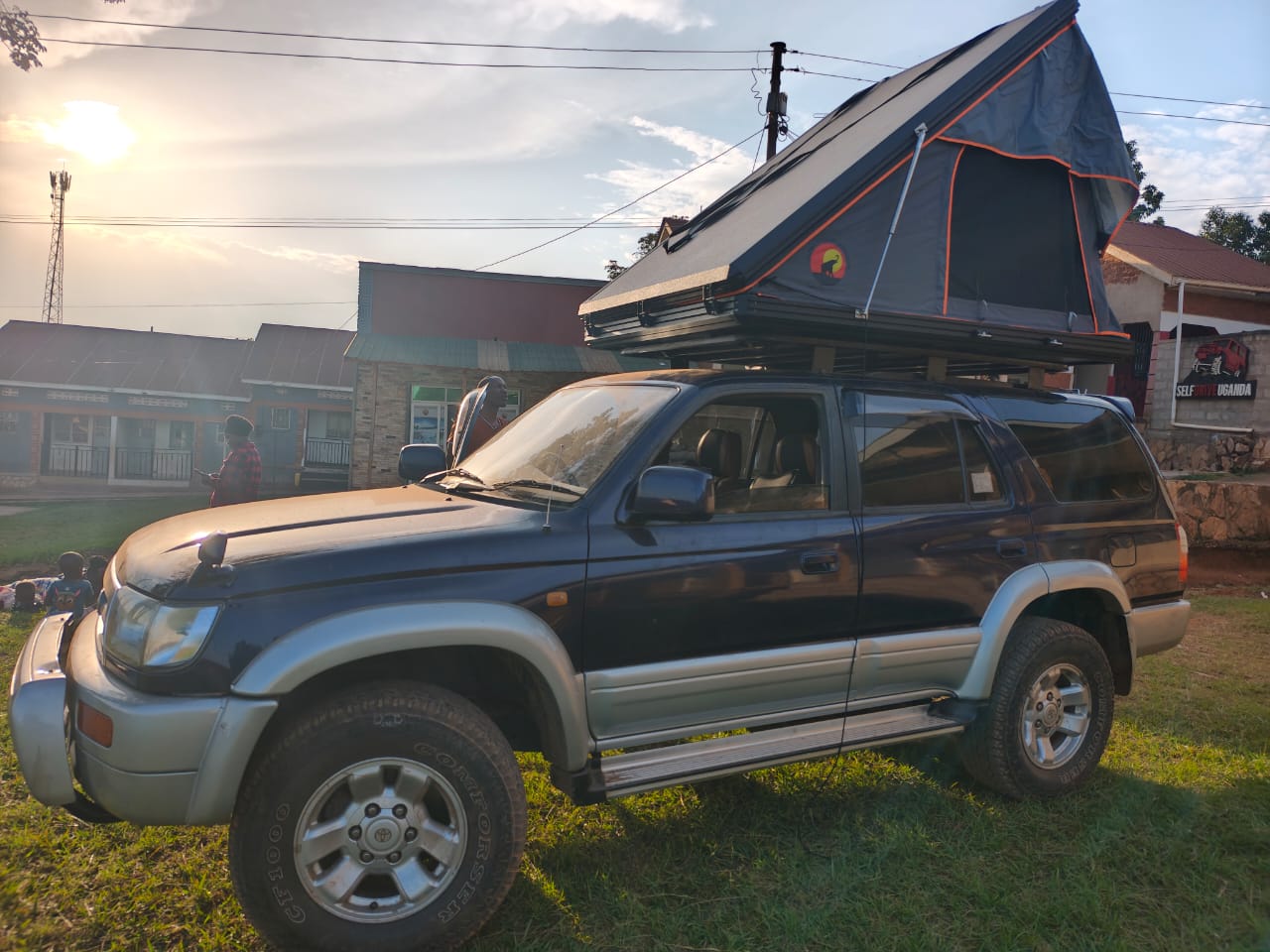
Geographical Scope and Accessibility
Uganda’s geography plays a central role in defining the value of rooftop tent car rental. The continent spans multiple climatic zones, from equatorial rainforests to arid deserts and high-altitude plateaus. Roads vary significantly in quality, and weather conditions can change rapidly, particularly during rainy seasons.
In East Africa, rooftop tent cars provide access to iconic destinations such as the Serengeti, Masai Mara, Queen Elizabeth National Park, Murchison Falls, Amboseli, and Kidepo Valley. While these parks are world-renowned, their most rewarding areas are often reached via unpaved tracks that require four-wheel drive and high ground clearance. The ability to camp nearby allows travelers to enter parks early, remain late, and avoid long daily commutes from distant lodges.
In Southern Africa, the same principle applies across the Namib Desert, Okavango Delta fringes, Kalahari, and Kruger region. Here, distances between services can be significant, making the combination of transport and accommodation not only convenient but necessary.
Accessibility is further enhanced by the flexibility of rooftop travel. Border crossings, route changes, and extended stays are more easily managed when accommodation is not tied to fixed reservations. This adaptability is particularly valuable in regions where wildlife movements or weather patterns influence travel conditions.
The Safari Experience Through Rooftop Tent Travel
The safari experience offered by car rental with rooftop tent in Uganda differs fundamentally from traditional lodge-based travel. Instead of being guests within a fixed property, travelers become participants in a moving journey. Wildlife encounters are not limited to scheduled game drives but occur throughout the day, often unexpectedly.
The elevated position of rooftop tents provides both safety and perspective. Sleeping above ground reduces the likelihood of wildlife disturbance while offering a sense of closeness to the environment. Nights are shaped by natural sounds, from insects and birds to distant animal calls, creating an atmosphere that is both humbling and memorable.
This form of travel also encourages patience and observation. Without the pressure of tight schedules, time can be spent watching animal behavior, waiting for light to change, or simply absorbing the surroundings. The experience is less curated but more personal, shaped by curiosity rather than itinerary.
Activities Supported by Rooftop Tent Car Rental
A wide range of activities is supported by rooftop tent travel, largely because of the independence it provides. Game drives remain central, with early morning and late afternoon excursions easily undertaken from nearby campsites. The absence of rigid schedules allows travelers to adapt their plans based on wildlife movement and personal energy levels.
Photography is particularly well suited to this travel style. Light conditions, weather changes, and animal behavior can be responded to immediately. Long waits at a single location, often required for capturing rare moments, are made possible without concern for returning to a lodge at a set time.
Cultural engagement is also enhanced. Rural communities, markets, and cultural sites are encountered along travel routes rather than visited as isolated excursions. This integration fosters more genuine interaction and understanding.
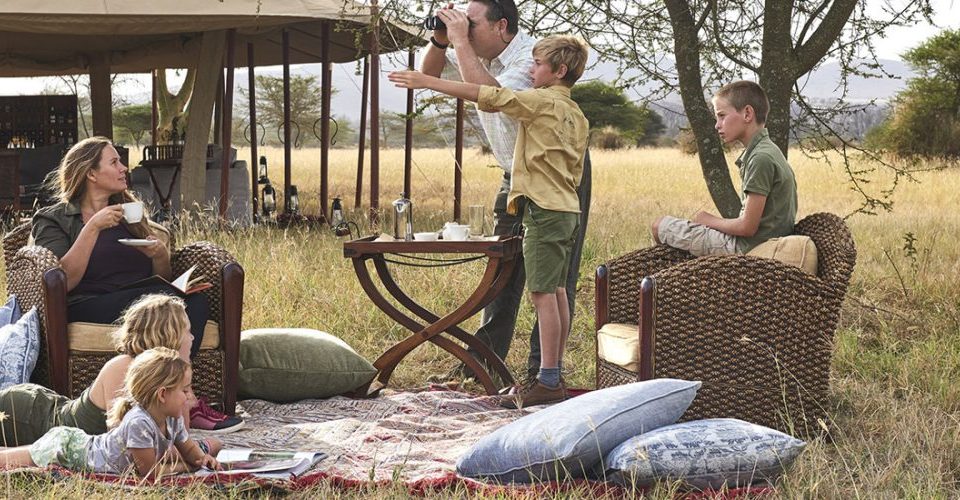
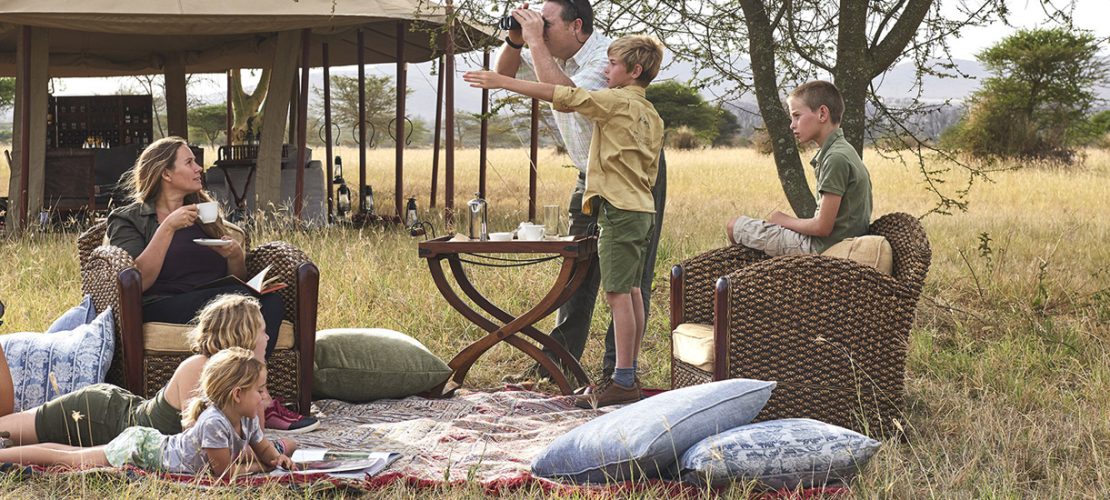
Even rest periods become meaningful. Campsite life encourages reflection, learning, and shared responsibility. Meals are prepared outdoors, maps are studied, and plans are adjusted collaboratively. For families, these moments often become as memorable as wildlife sightings.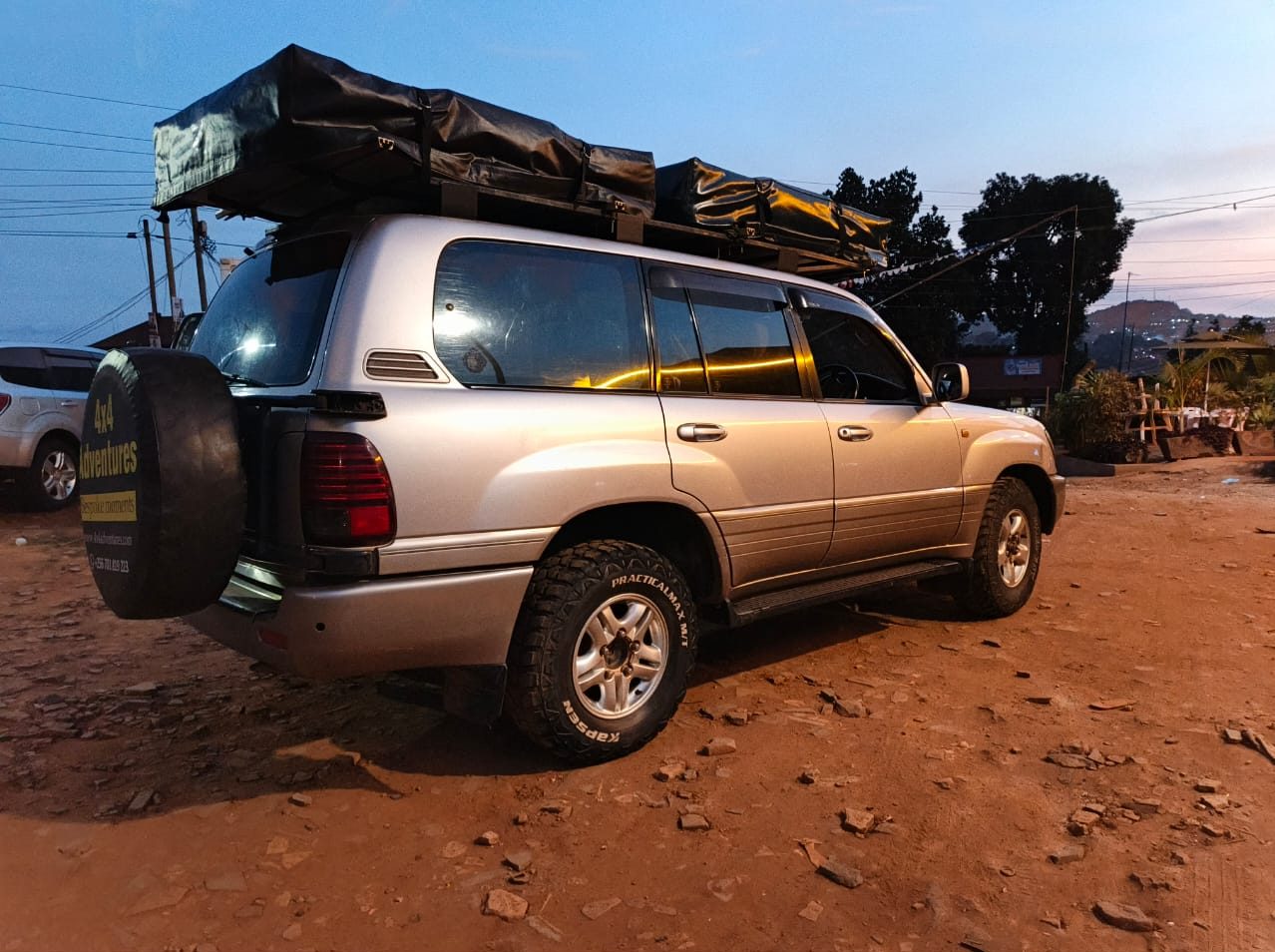
Seasonality and Timing Considerations
The effectiveness of car rental with rooftop tent in Africa is influenced by seasonal conditions. Dry seasons are generally preferred for ease of travel, as road conditions are more predictable and wildlife tends to concentrate around water sources. In East Africa, these periods typically occur between June and October, and again from December to February.
However, the green or rainy seasons offer their own advantages. Landscapes become lush, birdlife flourishes, and tourist numbers decline. With a properly equipped 4×4 vehicle, many of the challenges associated with rain can be managed safely. For travelers seeking solitude, photography opportunities, or reduced costs, these periods can be highly rewarding.
In all cases, timing should be aligned with travel goals rather than assumptions alone. Wildlife viewing, climate comfort, and personal interests all play a role in determining the ideal travel window.
Accommodation Realities and Campsite Life
Accommodation within rooftop tent travel is defined by campsites rather than buildings. These campsites range from basic public sites to private facilities with amenities such as showers, toilets, and sometimes electricity. The rooftop tent itself provides a consistent sleeping environment regardless of campsite standard, offering comfort, security, and familiarity.
The act of setting up camp becomes part of the journey. While this requires effort, it also fosters a sense of accomplishment and routine. The elevated tent position offers ventilation and protection from ground moisture, while integrated mattresses ensure restful sleep.
In some itineraries, rooftop travel is combined with occasional lodge or guesthouse stays. This hybrid approach allows rest days, access to laundry services, or brief indulgence in higher comfort while maintaining overall independence.
Practical Considerations and Travel Preparedness
Successful rooftop tent travel is supported by preparation and realistic expectations. Vehicle reliability is paramount, and reputable rental providers ensure that cars are well-maintained and equipped with essential tools and recovery gear. Familiarity with basic vehicle operation, including four-wheel-drive engagement and tire pressure management, enhances safety and confidence.
Route planning should consider fuel availability, park regulations, and campsite booking requirements. While spontaneity is a strength of rooftop travel, certain regions require advance reservations to manage environmental impact.
Health and safety practices remain essential. Adherence to park rules, respectful wildlife viewing, and cautious movement around campsites at night are fundamental. The rooftop tent adds an extra layer of security, but awareness and responsibility are always required.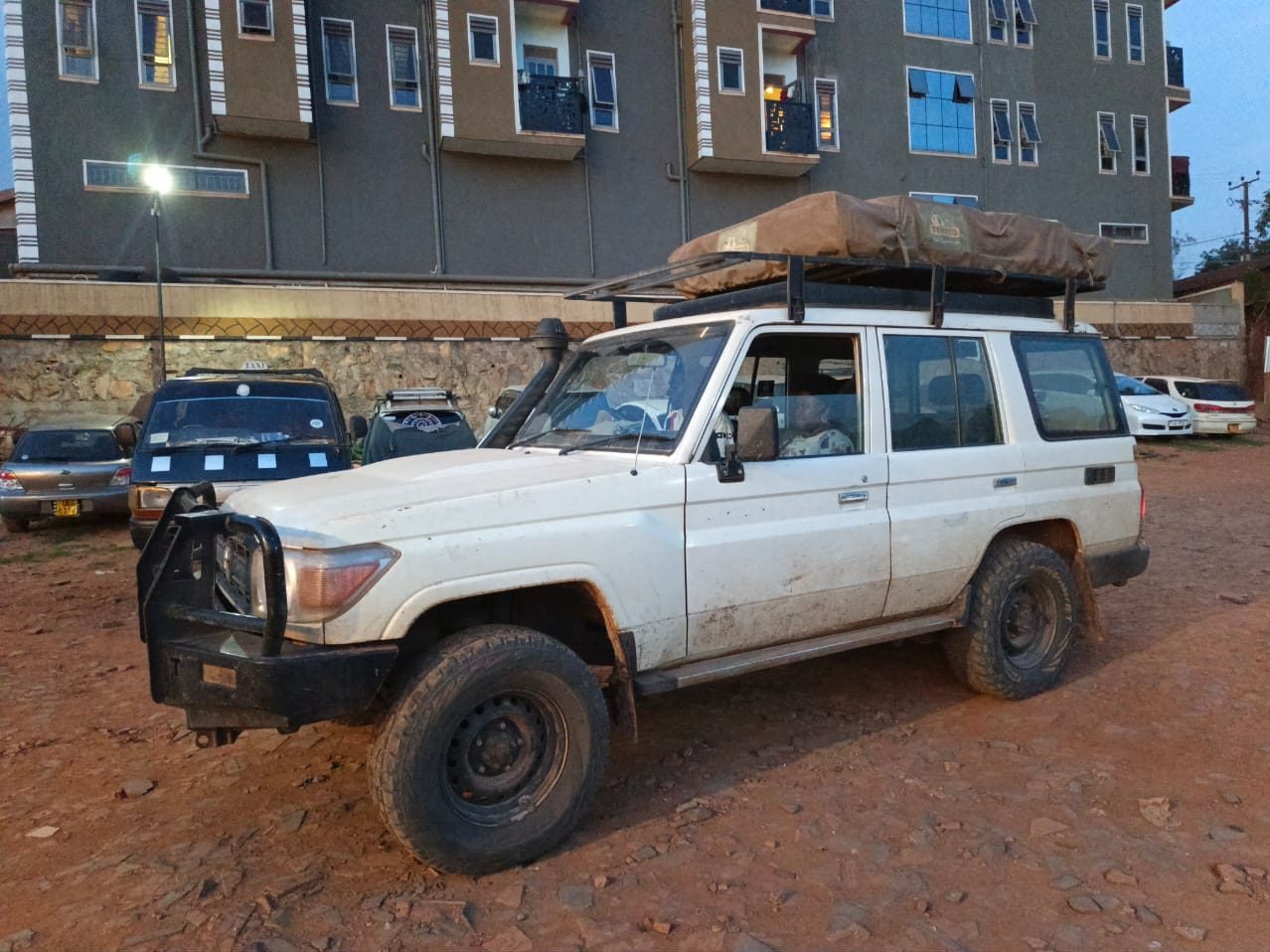
Environmental and Cultural Impact
Car rental with rooftop tent in Uganda carries important environmental and cultural implications. By utilizing established campsites and minimizing reliance on permanent infrastructure, this travel style supports low-impact tourism. Travelers become more conscious of water usage, waste management, and energy consumption through daily practice.
Cultural engagement is also enhanced. Independent travel places visitors in closer contact with local communities, encouraging respectful interaction and fair economic exchange. Markets, roadside vendors, and community-run initiatives benefit directly from traveler presence.
In this way, rooftop tent travel aligns well with responsible tourism principles, balancing exploration with conservation and community support.
Why Car Rental with Rooftop Tent in Uganda Matters
The significance of car rental with rooftop tent in Uganda lies not only in convenience or cost savings but in the quality of experience it delivers. This travel style encourages deeper engagement, greater awareness, and more meaningful connection with landscapes and cultures.
Uganda is not simply observed through a window or from a lodge veranda. It is encountered on the road, at camp, and in moments of quiet reflection. The journey itself becomes as important as the destination, and memories are shaped by participation rather than consumption.
For many travelers, this approach transforms the safari from a guided experience into a personal narrative, written day by day across diverse terrains and encounters.
For those inspired to experience Uganda through the freedom, flexibility, and authenticity of car rental with rooftop tent in Uganda, it is strongly recommended that Uganda tours and safaris be planned and booked through 4×4 Selfdrive Uganda. With deep regional expertise, reliable vehicles, and a strong understanding of self-drive travel across East Africa, journeys are thoughtfully supported from initial planning to final return.
Through the right preparation and partnership, rooftop tent travel offers not just a way to see Uganda, but a way to truly experience it.