- 4x4 Selfdrive Uganda
- +256 701819223
- +256 774819223
- info@4x4selfdriveuganda.com

How Much Does a 4×4 Self-Drive Safari Cost in Uganda?
December 12, 2025
Advantages of Traveling with a Family Rooftop Tent on an African Safari
January 12, 2026
The Best Time of Year for a 4×4 Self-Drive Safari in Uganda
Timing Your Self-Drive Safari in the Pearl of Africa
Planning a 4×4 self-drive safari in Uganda is as much about timing as it is about routes, vehicles, and destinations. Uganda’s landscapes, wildlife movements, road conditions, and overall travel experience change noticeably throughout the year. Choosing the right time to travel can mean the difference between an easy, confidence-building road trip and a challenging expedition that demands patience and experience.
Unlike many safari destinations that have a single “perfect” season, Uganda offers rewarding self-drive experiences throughout the year, each season bringing its own advantages and considerations. From dry-season game viewing to lush green landscapes and fewer crowds, the best time for a 4×4 self-drive safari in Uganda depends largely on your priorities, driving confidence, and the kind of adventure you seek.
This in-depth guide explores Uganda’s seasons in detail, explaining how weather patterns affect road conditions, wildlife sightings, travel comfort, and overall safari value, so you can choose the best time of year for your self-drive journey.
Understanding Uganda’s Climate and Seasonal Patterns
Uganda lies along the equator, which gives it relatively stable temperatures year-round. However, rainfall plays a much bigger role in shaping travel conditions than temperature alone. Instead of four traditional seasons, Uganda experiences alternating wet and dry periods that influence everything from park accessibility to driving difficulty.
Temperatures generally range from warm to hot during the day, especially in lowland savannah areas such as Murchison Falls and Queen Elizabeth National Parks. Cooler conditions are common in high-altitude regions like Bwindi, Mgahinga, and the Rwenzori foothills, particularly in the mornings and evenings.
Rainfall is the main factor that affects self-drive safaris. Rain transforms landscapes into lush, green scenery but also affects road conditions, visibility, and travel times. Understanding how each season behaves is essential for planning a successful 4×4 self-drive safari.
The Dry Seasons: Peak Time for Self-Drive Safaris
The dry seasons are widely regarded as the easiest and most popular time for a 4×4 self-drive safari in Uganda. During these periods, rainfall is minimal, roads are drier and more predictable, and wildlife viewing is often at its best.
Dry conditions make driving easier, especially on park tracks and rural roads. Muddy sections dry out, river crossings become manageable, and steep roads in mountainous areas are less slippery. For first-time self-drive travellers or those seeking a relaxed experience, the dry seasons offer greater confidence and comfort behind the wheel.
Wildlife is also more visible during dry periods. Shorter grass and limited water sources encourage animals to gather near rivers and permanent waterholes, making sightings more frequent and easier to spot during game drives.
These months are also ideal for combining self-drive travel with activities such as gorilla trekking and chimpanzee tracking, as forest trails are less muddy and trekking conditions are generally more comfortable.
The June to September Dry Season: Best Overall Balance
The long dry season from June to September is often considered the best overall time for a 4×4 self-drive safari in Uganda. Weather conditions are stable, rainfall is low, and temperatures are moderate compared to other times of year.
Road conditions across the country are at their most reliable, making this season suitable even for less experienced self-drive travellers. National parks are fully accessible, and long-distance travel between regions is smoother and more predictable.
This period is excellent for classic savannah safaris in Murchison Falls, Queen Elizabeth, and Kidepo Valley National Parks. Wildlife congregates around water sources, increasing the chances of memorable sightings. Birdlife remains active, and visibility is generally excellent.
The June to September season is also popular with international travellers, which means accommodation availability should be booked in advance. While this is peak season, the quality of the self-drive experience often justifies the higher demand.
The December to February Dry Season: Shorter but Rewarding
The shorter dry season from December to February is another excellent time for a 4×4 self-drive safari in Uganda. Although slightly hotter in some regions, this period still offers good road conditions and rewarding wildlife viewing.
For travellers looking to escape winter in other parts of the world, this season is particularly attractive. Roads are mostly dry, and self-drive routes remain accessible across the country.
This season is well suited for travellers who want to combine wildlife safaris with festive travel or year-end holidays. Gorilla trekking conditions are generally good, and the savannah parks continue to offer strong wildlife encounters.
While temperatures can be higher, especially in northern Uganda, proper planning and early morning game drives help manage the heat comfortably.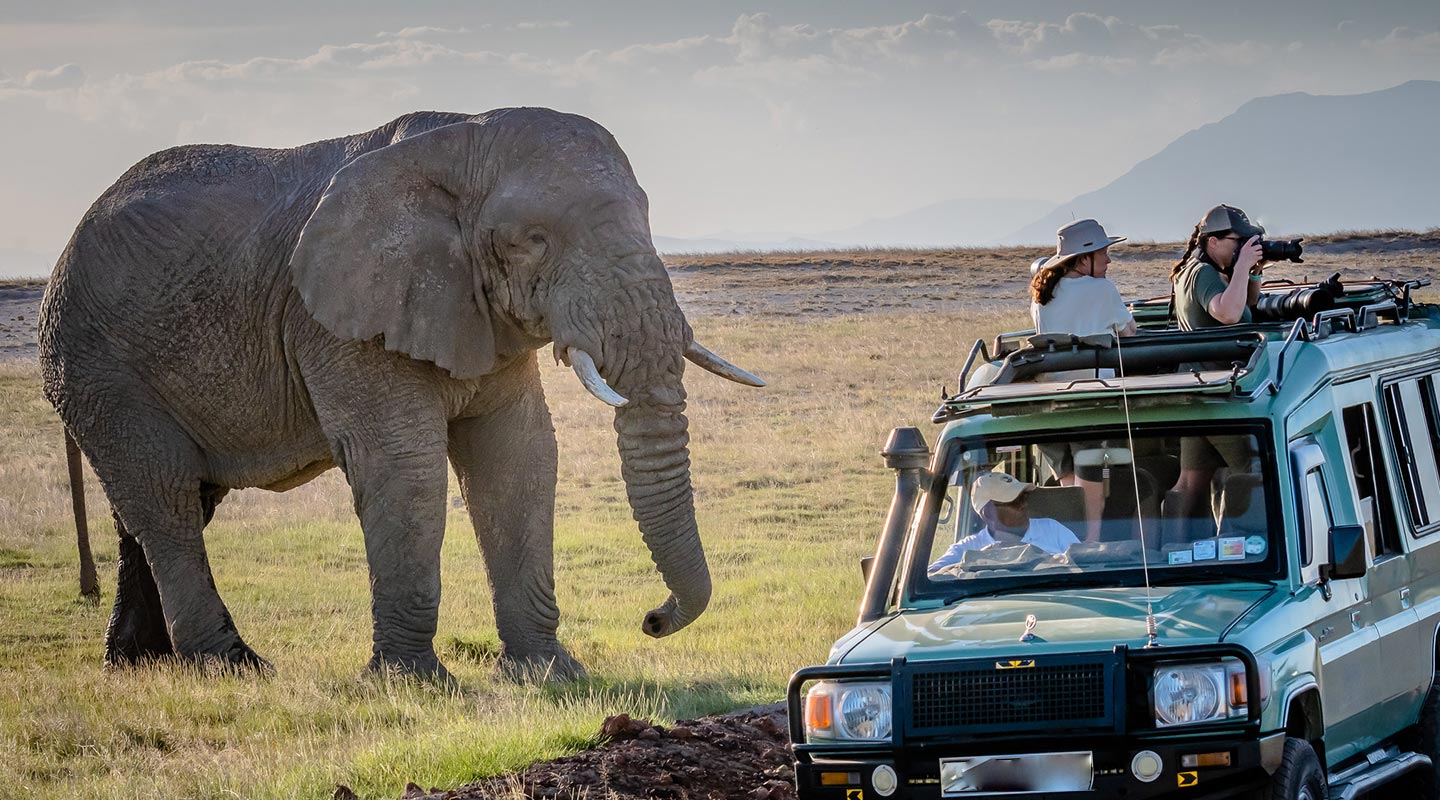
The Wet Seasons: A Different Kind of Self-Drive Adventure
Uganda’s wet seasons occur mainly from March to May and from October to November. These periods bring heavier rainfall that transforms the landscape into a lush, green paradise. While wet seasons present challenges for self-drive travellers, they also offer unique rewards for those willing to adapt.
Rain affects road conditions significantly, especially on unpaved routes and park tracks. Mud, slippery slopes, and occasional flooding can slow travel and require confident driving skills. A reliable 4×4 vehicle becomes even more essential during these months.
However, wet seasons also bring fewer tourists, greener scenery, and a more tranquil safari experience. For experienced self-drive travellers who enjoy solitude and dramatic landscapes, this time of year can be incredibly rewarding.
March to May: The Long Rainy Season
The long rainy season from March to May is the most challenging period for a 4×4 self-drive safari in Uganda. Rainfall can be heavy and persistent, particularly in forested and mountainous regions.
Road conditions during this time can be demanding. Muddy tracks, reduced visibility, and slower travel times require patience and experience. Some remote areas may become temporarily inaccessible, and careful route planning is essential.
Despite these challenges, this season offers stunning scenery. Forests are vibrant, waterfalls are at their most powerful, and birdlife is exceptional. For travellers focused on photography, birdwatching, or a quieter experience, the long rainy season holds strong appeal.
This period is best suited for confident drivers who are comfortable handling difficult road conditions and adapting plans as needed.
October to November: The Short Rainy Season
The short rainy season from October to November is generally less intense than the long rains and offers a more balanced experience for self-drive travellers. Rainfall is intermittent rather than constant, allowing for periods of good driving conditions between showers.
This season provides a blend of green landscapes and manageable travel conditions. Roads may be muddy in places, but many routes remain accessible, especially with a well-maintained 4×4 vehicle.
Wildlife viewing remains good, and tourist numbers are lower than during peak dry seasons. This makes October and November an attractive option for travellers seeking value, fewer crowds, and a sense of exclusivity.
Seasonal Considerations for Specific Destinations
Different regions of Uganda respond differently to seasonal changes, which is important when planning a self-drive itinerary. Savannah parks such as Murchison Falls and Queen Elizabeth are generally accessible year-round, though wet seasons make some tracks more challenging.
Mountainous and forested regions like Bwindi and Mgahinga are more sensitive to rainfall. Roads can become slippery, and driving requires caution. Dry seasons are generally more comfortable for these regions, especially for first-time self-drive travellers.
Remote destinations such as Kidepo Valley and Karamoja are best visited during drier months when roads are more predictable and travel times shorter.
Understanding how your chosen destinations behave throughout the year helps you select the most suitable travel window.
Wildlife Viewing Across the Seasons
Uganda’s wildlife is present year-round, but seasonal changes influence how easily animals are spotted. During dry seasons, wildlife concentrates around water sources, improving visibility and sighting frequency.
In wet seasons, animals disperse more widely as water becomes abundant, and vegetation grows taller. While this can make sightings slightly less predictable, it also creates a more natural and immersive experience.
Primate experiences such as gorilla and chimpanzee trekking operate throughout the year, though trekking conditions are more comfortable during drier months. Wet seasons require extra preparation but offer quieter treks and lush forest scenery.
Budget and Crowd Considerations by Season
Travel costs in Uganda fluctuate with the seasons. Dry seasons, particularly June to September, are peak periods with higher demand for accommodation and vehicle hire. Prices tend to be higher, and availability can be limited.
Wet seasons often offer better value, with lower accommodation rates and fewer travellers. For budget-conscious self-drive travellers, these periods can provide excellent opportunities, provided you are comfortable with more challenging driving conditions.
Balancing budget, comfort, and experience is an important part of choosing the best time to travel.
Choosing the Best Time Based on Your Experience Level
For first-time self-drive travellers in Uganda, the dry seasons are generally the best choice. They offer easier driving conditions, greater predictability, and a smoother introduction to African road travel.
More experienced self-drive adventurers may enjoy the added challenge and rewards of the wet seasons, especially if seeking solitude and dramatic scenery.
Your comfort with driving, adaptability, and overall travel goals should guide your decision more than any single “best” season.
Final Thoughts: There Is No Wrong Time, Only the Right Choice for You
The best time of year for a 4×4 self-drive safari in Uganda ultimately depends on what you value most. Whether it is easy driving, peak wildlife viewing, lush landscapes, fewer crowds, or better value, Uganda offers a suitable season for every type of traveller.
With proper planning, a reliable vehicle, and realistic expectations, Uganda delivers unforgettable self-drive experiences throughout the year. Every season reveals a different side of the Pearl of Africa, each with its own beauty and rewards.
Travel with Confidence by Booking with a Trusted Expert
No matter when you choose to travel, partnering with a reliable local specialist is key to a successful self-drive safari. 4×4 Selfdrive Uganda provides well-maintained 4×4 vehicles, expert seasonal advice, and dependable support tailored to Uganda’s changing conditions. By booking with a trusted tour operator, travellers gain confidence, flexibility, and peace of mind, ensuring their self-drive safari is perfectly timed and truly unforgettable.