- 4x4 Selfdrive Uganda
- +256 701819223
- +256 774819223
- info@4x4selfdriveuganda.com

The Best Time of Year for a 4×4 Self-Drive Safari in Uganda
December 12, 2025
How to Travel on a Budget on an African Safari
January 12, 2026
A New Way of Experiencing Africa as a Family
Africa has always held a powerful place in the imagination of travelers. Its endless savannahs, dramatic landscapes, abundant wildlife, and deep-rooted cultures create a sense of wonder that few destinations on earth can rival. For families, however, the idea of an African safari is often approached with hesitation. Concerns about cost, safety, comfort, and suitability for children frequently overshadow the dream. In recent years, a quiet transformation has taken place in how families explore Africa. This transformation has been driven by the growing popularity of family rooftop tent safaris, a travel style that combines independence, safety, affordability, and deep immersion into nature.
Traveling with a family rooftop tent on an African safari has redefined what is possible for parents and children alike. Instead of being confined to lodges with rigid schedules, families are increasingly choosing mobile, self-driven adventures that place them at the heart of the wilderness while maintaining comfort and security. This approach has proven to be not only practical but also profoundly enriching, offering experiences that resonate long after the journey has ended.
This article explores, in depth, the many advantages of traveling with a family rooftop tent on an African safari. It explains why this form of travel has become one of the most meaningful and rewarding ways for families to experience Africa, while also demonstrating why it aligns perfectly with modern expectations of responsible, flexible, and authentic travel.
Understanding the Family Rooftop Tent Safari Concept
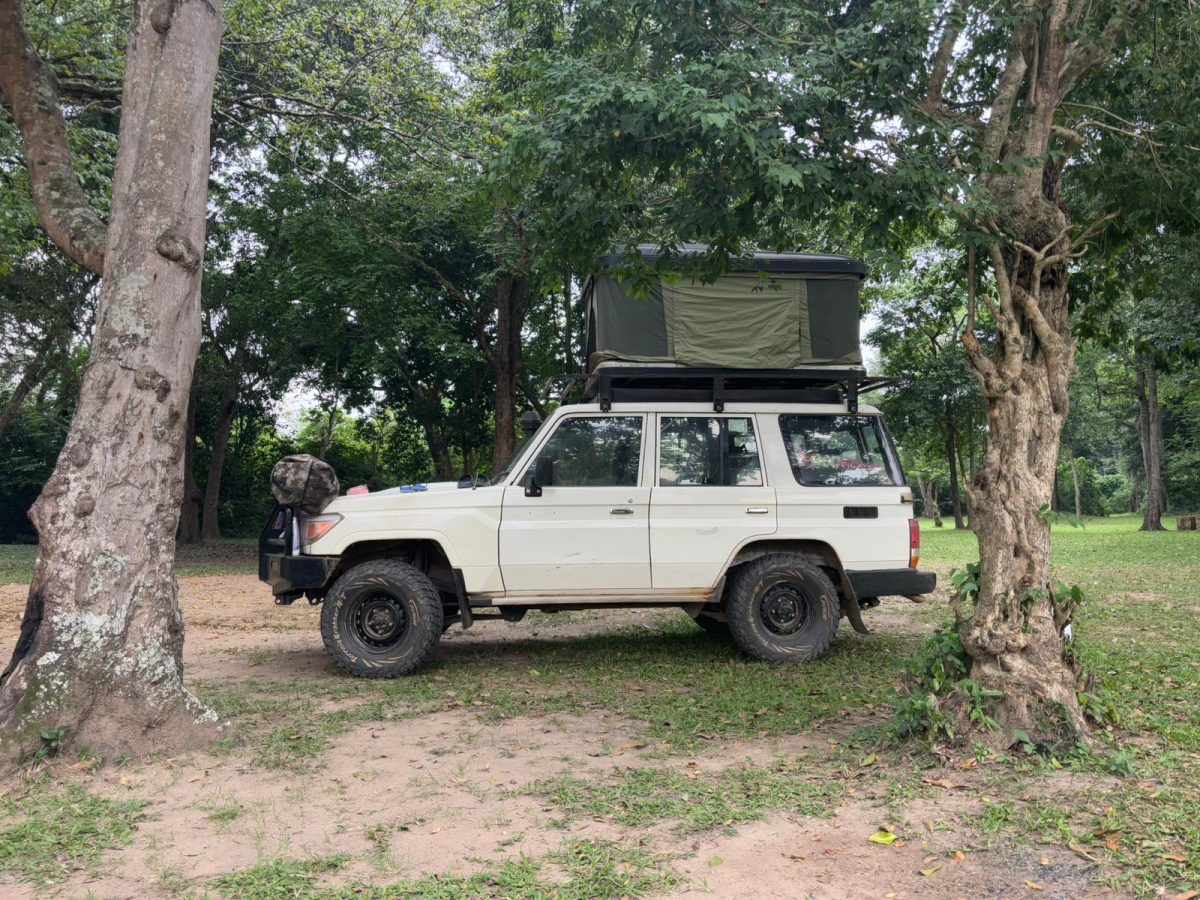
A family rooftop tent safari is centered around a specially equipped 4×4 vehicle fitted with a rooftop tent designed to accommodate parents and children together. The tent, mounted securely on the roof rack, unfolds at camp to create an elevated sleeping area. During the day, it folds down compactly, allowing the vehicle to function normally for game drives and long-distance travel.
This setup transforms the safari vehicle into both transportation and accommodation, creating a seamless travel experience. Instead of moving from lodge to lodge, families travel with their “home” always with them. This mobility lies at the core of the rooftop tent safari’s appeal and underpins many of its advantages.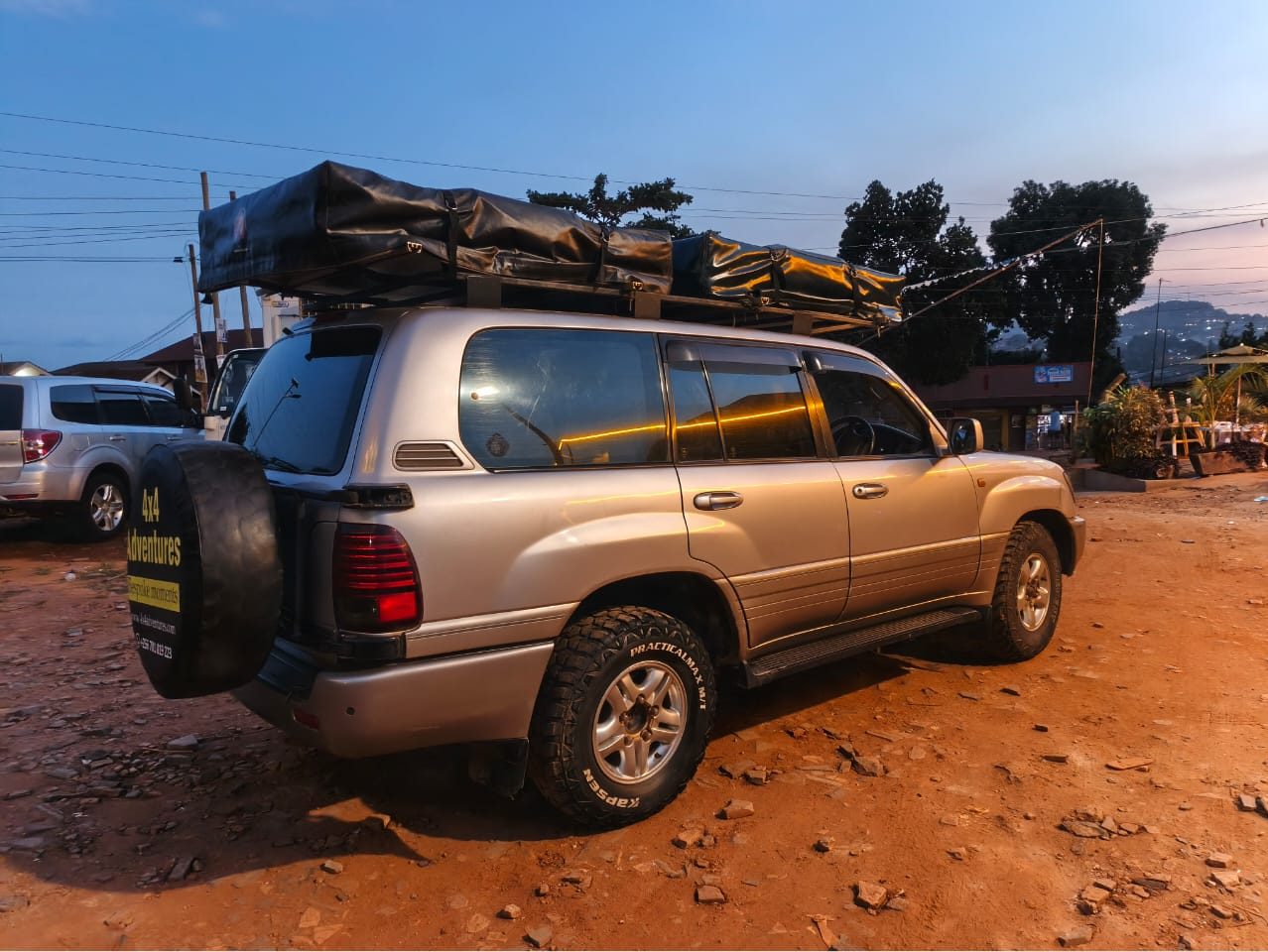
A Deeper Sense of Family Connection and Shared Experience
One of the most profound advantages of traveling with a family rooftop tent on an African safari lies in the way it naturally strengthens family bonds. In modern life, families are often surrounded by distractions, schedules, and digital interruptions. On safari, particularly in a rooftop tent setup, these distractions fade into the background.
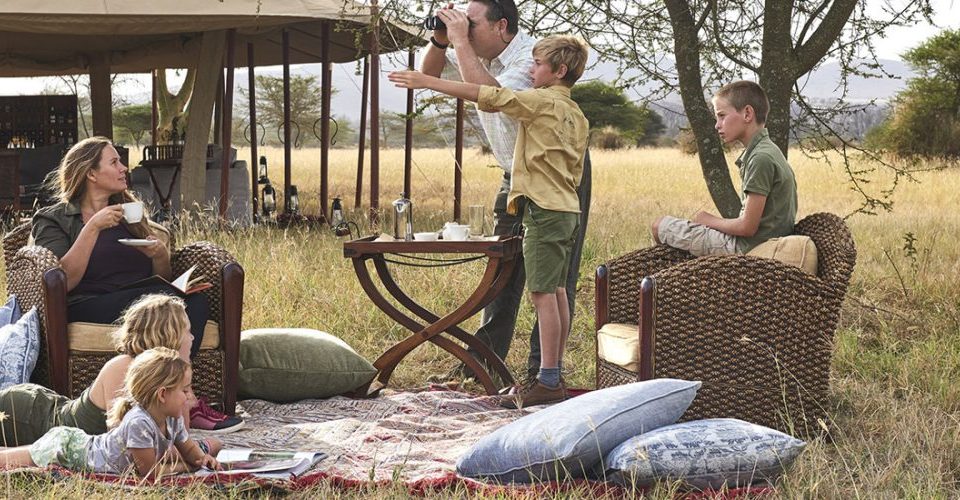
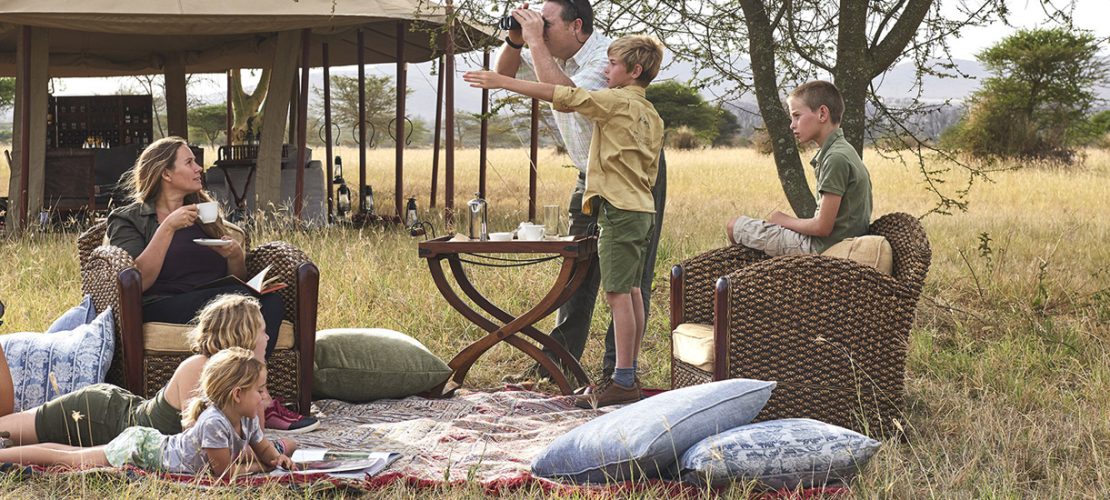
Evenings are spent together under open skies, listening to the distant calls of wildlife, sharing meals prepared at camp, and reflecting on the day’s discoveries. Children are not separated into different rooms or entertained by screens; instead, they become active participants in the journey. A shared rhythm is established, guided by sunrise and sunset rather than clocks and notifications.
This constant togetherness fosters deeper communication and emotional connection. Parents are given the rare opportunity to observe their children engaging directly with nature, asking questions, and developing curiosity about the world around them. The safari becomes a collective family story rather than a series of individual experiences.
Enhanced Safety Through Elevation and Design
Safety is often the foremost concern for families considering an African safari. A family rooftop tent offers a level of reassurance that ground camping or improvised accommodations cannot easily match. By design, rooftop tents provide an elevated sleeping position, placing occupants well above ground level. In wildlife-rich environments, this elevation offers a significant psychological and practical advantage.
Animals that roam campsites at night, such as hyenas or smaller mammals, remain at ground level. Insects, reptiles, and uneven terrain are also effectively avoided. The tent’s structure, typically reinforced with strong materials and secure ladders, creates a controlled sleeping environment that allows parents to rest more easily, knowing their children are safe.
In addition, rooftop tents used on African safaris are designed specifically for rugged conditions. They are weather-resistant, well-ventilated, and equipped with mosquito-proof mesh, making them suitable for a wide range of environments. This thoughtful design ensures that safety is integrated into the experience rather than added as an afterthought.
Freedom and Flexibility That Suit Family Travel
Family travel demands flexibility. Children tire easily, unexpected needs arise, and rigid itineraries can quickly become sources of stress. One of the most significant advantages of traveling with a family rooftop tent on an African safari is the freedom it provides.
Unlike lodge-based safaris, which operate on fixed schedules for meals and activities, rooftop tent safaris allow families to set their own pace. Days can begin later if needed, game drives can be extended when wildlife sightings capture children’s attention, and rest days can be incorporated without penalty.
This flexibility is particularly valuable in Africa, where distances are long and conditions can change. Weather patterns, road conditions, and wildlife movements often require adaptability. A rooftop tent safari allows families to respond naturally to these variables, creating a journey that feels organic rather than constrained.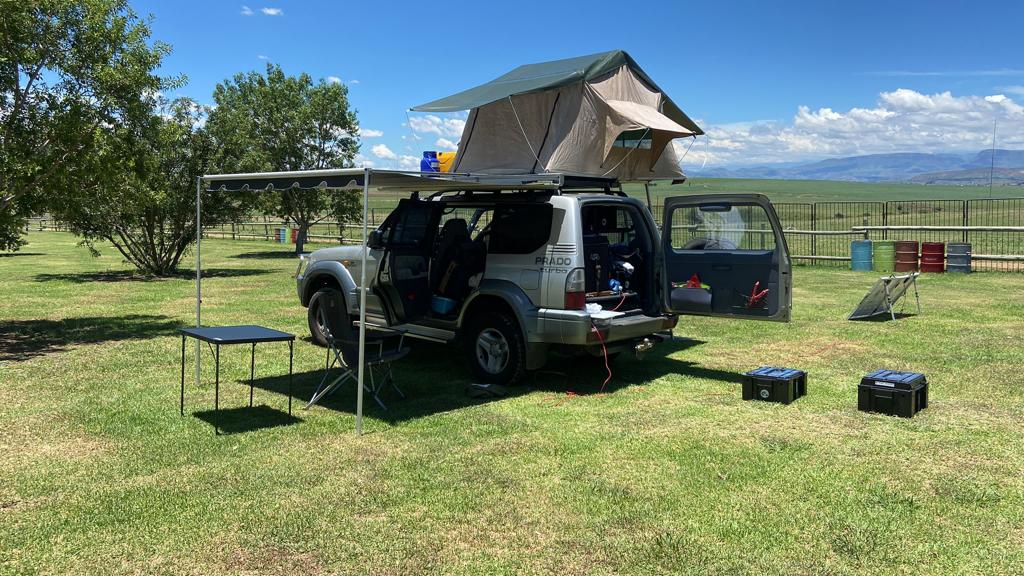
Cost Efficiency Without Compromising Experience
African safaris are often perceived as prohibitively expensive, especially for families. Accommodation costs in lodges increase quickly when multiple rooms or family suites are required. A family rooftop tent safari offers a compelling alternative that significantly reduces overall expenses without diminishing the quality of the experience.
By combining transport and accommodation into a single package, major costs are consolidated. Campsite fees inside or near national parks are generally far lower than lodge rates, and self-catering allows families to control food expenses. Over longer trips, these savings become substantial, making extended safaris accessible to families who might otherwise be limited to short stays.
Importantly, the reduction in cost does not equate to a reduction in value. On the contrary, the immersive nature of rooftop tent travel often results in richer, more memorable experiences than those offered by luxury lodges alone.
Immersive Wildlife Experiences From Dawn to Dusk
One of the defining features of a family rooftop tent safari is the level of immersion it provides. Campsites located within national parks or conservation areas place families directly in the heart of wildlife habitats. Mornings begin with the sounds of birds, distant roars, or grazing animals nearby. Evenings are accompanied by the rhythms of the wild, creating a sensory experience that lodges cannot fully replicate.
This immersion has a powerful impact on children. Wildlife is no longer something seen only from a vehicle during scheduled game drives. Instead, it becomes part of daily life. Tracks near camp, animal calls at night, and unexpected encounters all contribute to a deeper understanding of ecosystems and animal behavior.
Such experiences foster respect for nature and wildlife, encouraging young travelers to see conservation as a lived reality rather than an abstract concept.
Educational Value That Extends Beyond the Classroom
Traveling with a family rooftop tent on an African safari offers educational benefits that extend far beyond traditional learning environments. Africa itself becomes a classroom, where lessons are taught through direct experience rather than textbooks.
Children are exposed to geography, biology, ecology, and cultural studies in real time. They observe predator-prey relationships, learn about migration patterns, and gain insight into the delicate balance that sustains ecosystems. Cultural interactions with local communities further enrich this learning, providing perspectives on history, tradition, and daily life.
Because learning is integrated into adventure, it is absorbed naturally. Curiosity is encouraged, questions are explored, and knowledge is retained in ways that formal education often struggles to achieve.
Comfort Designed for Long-Term Travel
Contrary to common assumptions, rooftop tent travel does not mean sacrificing comfort. Modern family rooftop tents are designed with long-term use in mind. Thick mattresses, insulated fabrics, and thoughtful ventilation systems ensure restful sleep for both adults and children.
The elevated position often provides cooling breezes, while the tent’s structure protects against rain and wind. Setup and pack-down times are minimal, reducing fatigue and frustration at the end of long days. This balance between comfort and simplicity makes rooftop tent safaris particularly suitable for families who plan to travel for extended periods.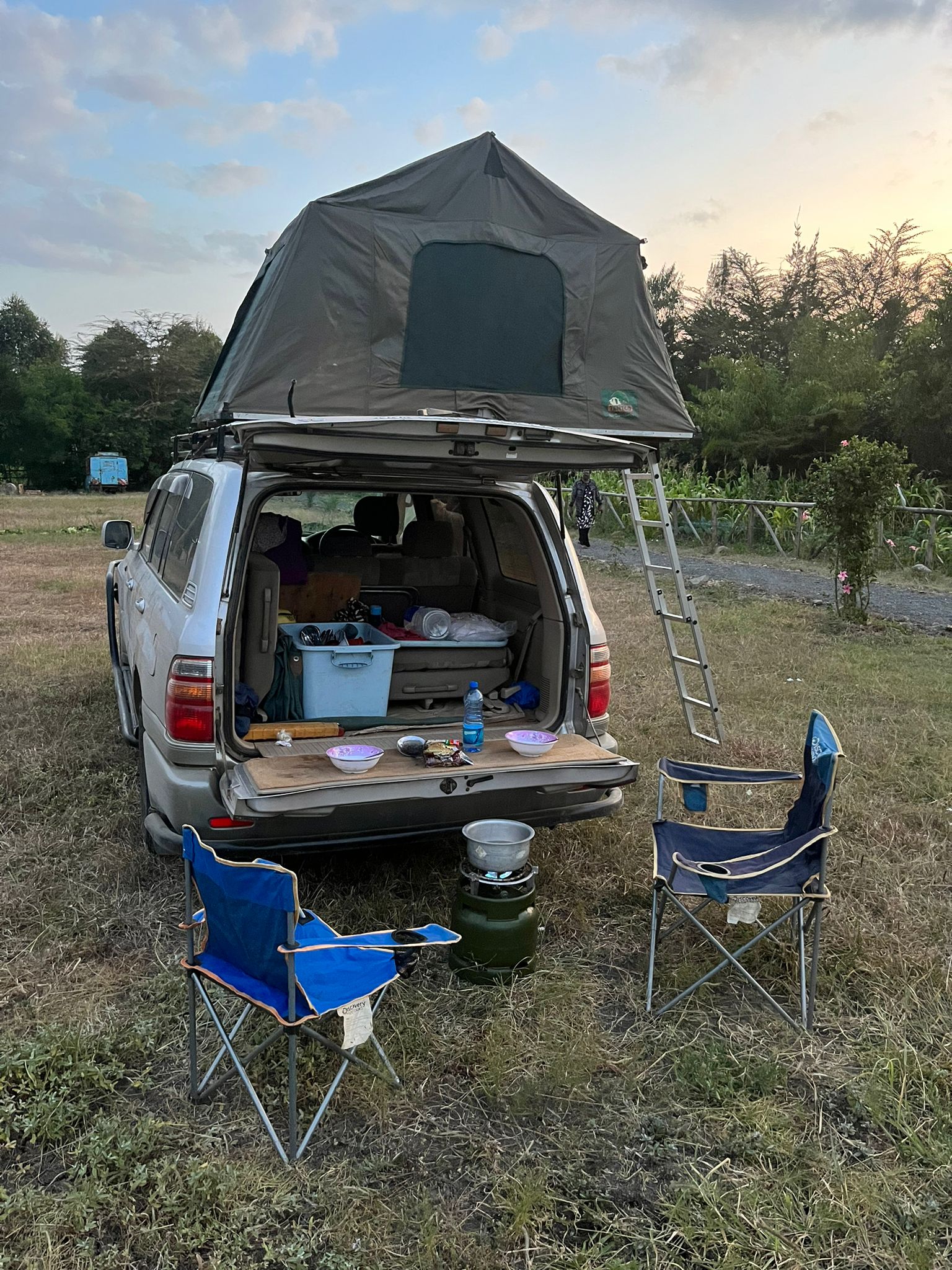
Access to Remote and Less Crowded Locations
Another key advantage of traveling with a family rooftop tent on an African safari is access. Many of Africa’s most beautiful and wildlife-rich areas are located far from major lodges. Public campsites, community-run sites, and remote conservation areas often provide more intimate and authentic experiences.
By choosing a rooftop tent safari, families are not limited to popular tourist hubs. Instead, they can explore quieter regions where wildlife encounters feel more personal and landscapes remain untouched by mass tourism. This sense of exclusivity enhances the overall experience and aligns with responsible travel principles.
Encouraging Responsible and Sustainable Travel
Sustainability has become a central concern for modern travelers. Rooftop tent safaris naturally support more responsible travel practices. Campsites typically have a lower environmental footprint than large lodges, and self-driven travel encourages mindful resource use.
Families traveling this way often become more aware of their impact on the environment. Waste management, water conservation, and respect for wildlife are integrated into daily routines. For children, these practices become valuable life lessons that extend beyond the safari itself.
Building Confidence and Resilience in Children
Exposure to new environments, challenges, and responsibilities during a family rooftop tent safari helps build confidence and resilience in children. Participating in camp setup, learning basic navigation, and adapting to changing conditions foster independence and problem-solving skills.
These experiences are particularly valuable in a world where children are increasingly disconnected from nature. Safari travel reconnects them with fundamental aspects of life, encouraging adaptability, patience, and curiosity.
A Storytelling Journey That Lasts a Lifetime
Perhaps the most enduring advantage of traveling with a family rooftop tent on an African safari is the legacy it creates. These journeys become family legends, retold through stories, photographs, and shared memories. Children grow up remembering nights under African stars, close encounters with wildlife, and the feeling of freedom that defined their travels.
Such experiences shape perspectives and values, influencing how young travelers view the world and their place within it.
Choosing a Family Rooftop Tent Safari in Africa
Traveling with a family rooftop tent on an African safari represents a powerful combination of adventure, education, safety, and connection. It offers families the freedom to explore Africa on their own terms while providing comfort and security in some of the world’s most extraordinary landscapes.
This style of travel goes beyond sightseeing. It fosters deeper relationships, nurtures curiosity, and creates meaningful engagement with nature and culture. For families seeking an authentic African safari experience that balances independence with responsibility, the rooftop tent safari stands out as an exceptional choice.
For readers inspired to turn this vision into reality, it is strongly recommended that Africa tours and safaris be booked through 4×4 Selfdrive Uganda, a trusted provider specializing in rooftop tent vehicles and self-drive safari experiences across East Africa. With professional support, well-maintained vehicles, and deep regional expertise, 4×4 Selfdrive Uganda ensures that family rooftop tent safaris are not only memorable but also safe, seamless, and truly transformative.