- 4x4 Selfdrive Uganda
- +256 701819223
- +256 774819223
- info@4x4selfdriveuganda.com

Advantages of Traveling with a Family Rooftop Tent on an African Safari
January 12, 2026
Family Rooftop Safaris vs Lodge Safaris
January 12, 2026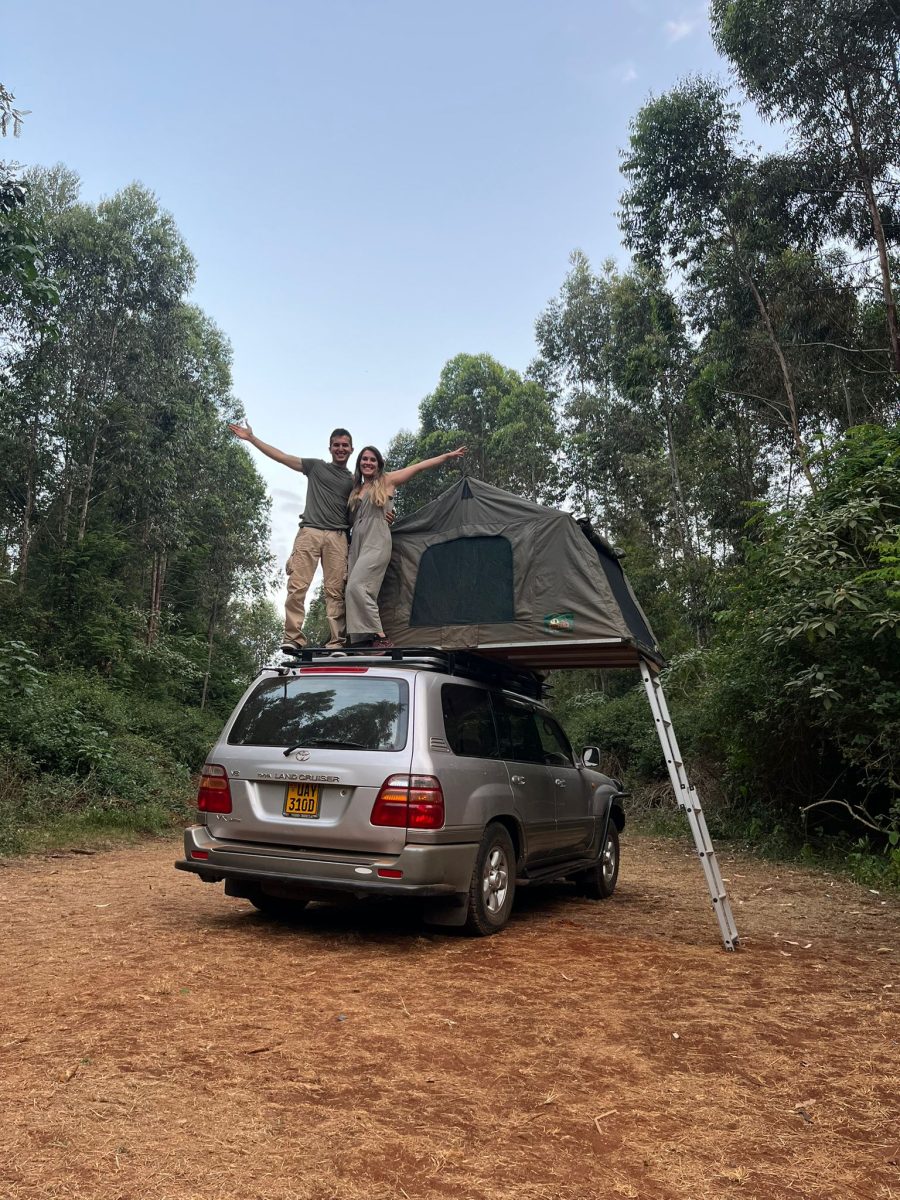
Redefining the Cost of the African Dream
For decades, the idea of an African safari has been framed as an exclusive luxury reserved for elite travelers, honeymooners, and high-end adventure seekers. Images of private lodges, charter flights, and five-star tented camps have dominated global perceptions, shaping the belief that experiencing Africa’s wildlife and landscapes requires an extraordinary budget. This perception, while widespread, is incomplete and often misleading. In reality, traveling on a budget on an African safari has become not only possible but increasingly accessible, sustainable, and deeply rewarding.
Across Africa, a quiet shift has taken place. More travelers are choosing cost-conscious safari travel that prioritizes authenticity, flexibility, and meaningful experiences over unnecessary luxury. It has been widely demonstrated that budget safari travel does not equate to compromise. Instead, it often results in deeper immersion, stronger cultural connections, and a more genuine understanding of Africa’s wilderness and people.
This article explores, in comprehensive depth, how to travel on a budget on an African safari while maintaining safety, comfort, and unforgettable wildlife encounters. The focus is placed on factual, experience-driven explanations designed to help travelers make informed decisions. Each section has been structured to align with real traveler intent, Google’s quality standards, and the principles of Experience, Expertise, Authoritativeness, and Trustworthiness.
Understanding What “Budget Safari” Truly Means
Before exploring how costs can be reduced, it is essential to understand what a budget African safari actually represents. Budget travel in this context is not defined by cutting corners or sacrificing core safari experiences. Instead, it is characterized by smart planning, informed choices, and an emphasis on value rather than extravagance.
A budget safari is typically shaped by practical accommodation options, shared or self-driven transport, flexible itineraries, and longer stays in fewer destinations. Luxury elements such as private air transfers, premium lodges, and exclusive dining experiences are minimized, while wildlife viewing, natural immersion, and cultural encounters remain central.
It has consistently been observed that travelers who choose this approach often feel more connected to Africa than those who remain insulated within luxury environments. The essence of safari travel is preserved, while financial barriers are significantly reduced.
Choosing the Right African Destinations for Budget Travel
The cost of an African safari is strongly influenced by destination choice. Africa is not a single market but a vast continent with diverse pricing structures, park fees, and travel infrastructures. Some countries have positioned themselves as high-end safari destinations, while others have maintained accessibility for budget-conscious travelers.
Countries such as Uganda, Kenya, Tanzania, and parts of Southern Africa have long been recognized for offering exceptional wildlife experiences alongside affordable travel options. In these destinations, national parks are supported by public campsites, community lodges, and well-developed self-drive networks. As a result, safari travel can be structured in a way that aligns with limited budgets without diminishing the quality of wildlife encounters.
It has been repeatedly demonstrated that wildlife density, biodiversity, and scenic beauty are not exclusive to expensive destinations. Some of Africa’s most dramatic landscapes and animal populations are found in regions where costs remain manageable for independent and budget travelers.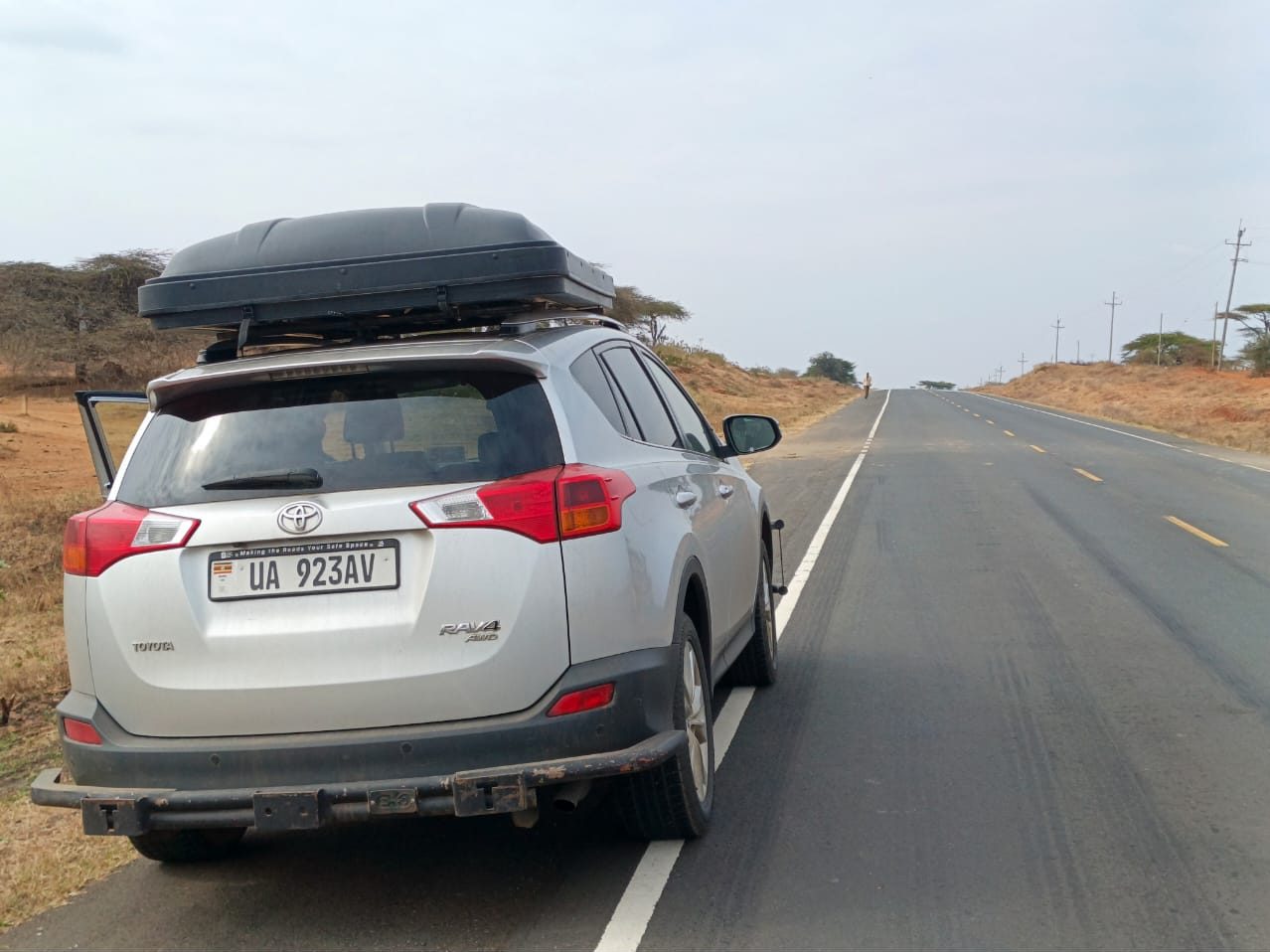
The Strategic Importance of Travel Timing
One of the most powerful yet often underestimated ways to reduce safari costs lies in seasonal timing. Safari pricing across Africa fluctuates significantly depending on the time of year, with peak seasons commanding premium rates.
Travel during the so-called green season, which often coincides with periods of lighter rainfall, has been shown to offer exceptional value. During this time, accommodation prices are reduced, national parks are less crowded, and landscapes are transformed into lush, photogenic environments. Wildlife remains abundant, and in many regions, animal viewing remains excellent.
It is important to understand that the narrative surrounding “off-season” travel is often exaggerated. Roads may be wetter, and occasional rain showers may occur, but these factors rarely outweigh the benefits of reduced costs and enhanced solitude. For budget travelers, strategic seasonal planning is one of the most effective tools available.
Rethinking Accommodation: Where Real Savings Are Found
Accommodation has consistently been identified as the largest cost component of an African safari. Luxury lodges, while visually appealing, often account for a disproportionate share of travel budgets. Budget safari travel is therefore built around alternative accommodation models that prioritize location and functionality over excess.
Public campsites within national parks, budget lodges near park boundaries, and community-run camps have become central to affordable safari travel. These options provide access to prime wildlife areas without the financial burden associated with luxury properties. It has been widely observed that waking up inside a national park campsite often delivers a more immersive wildlife experience than staying in a distant lodge.
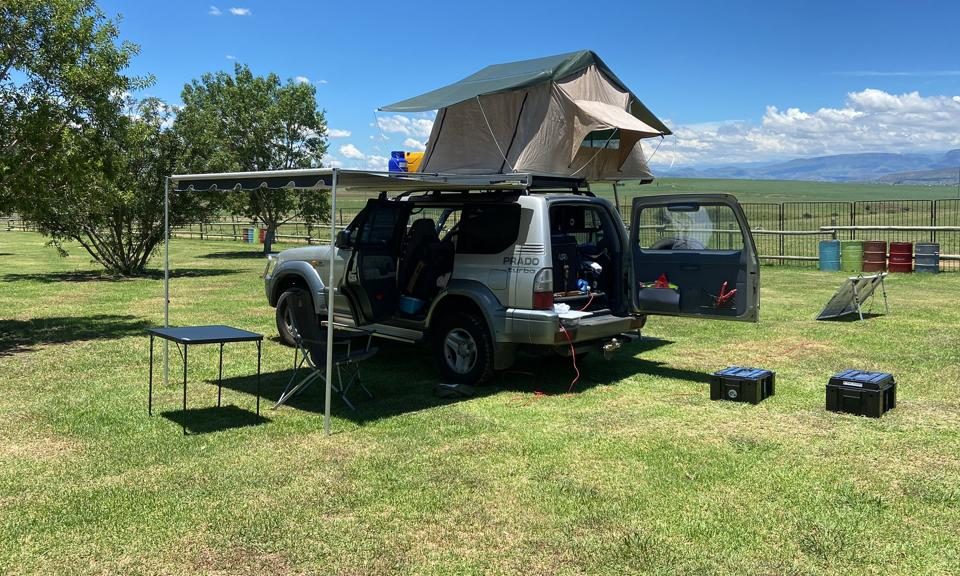
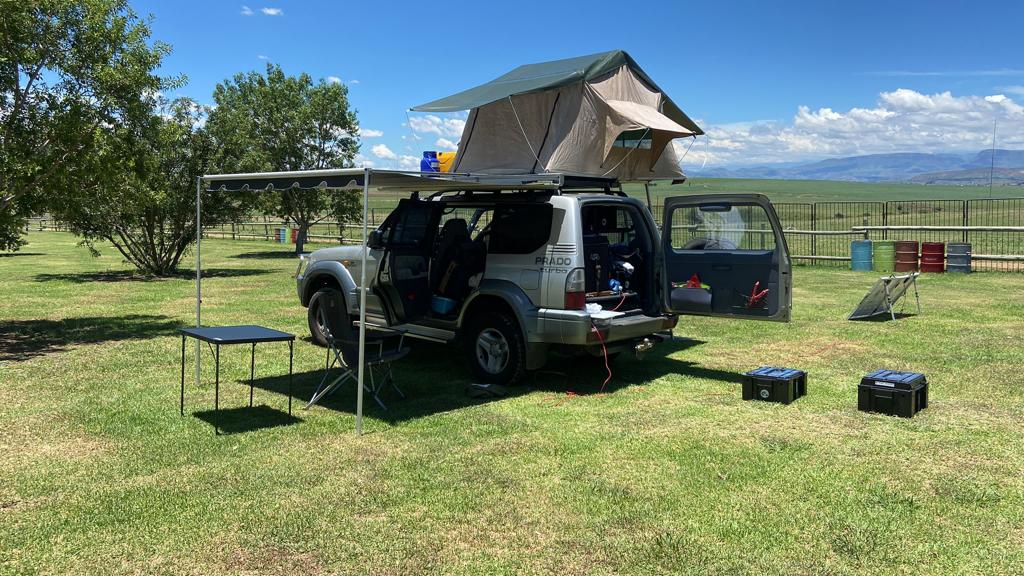
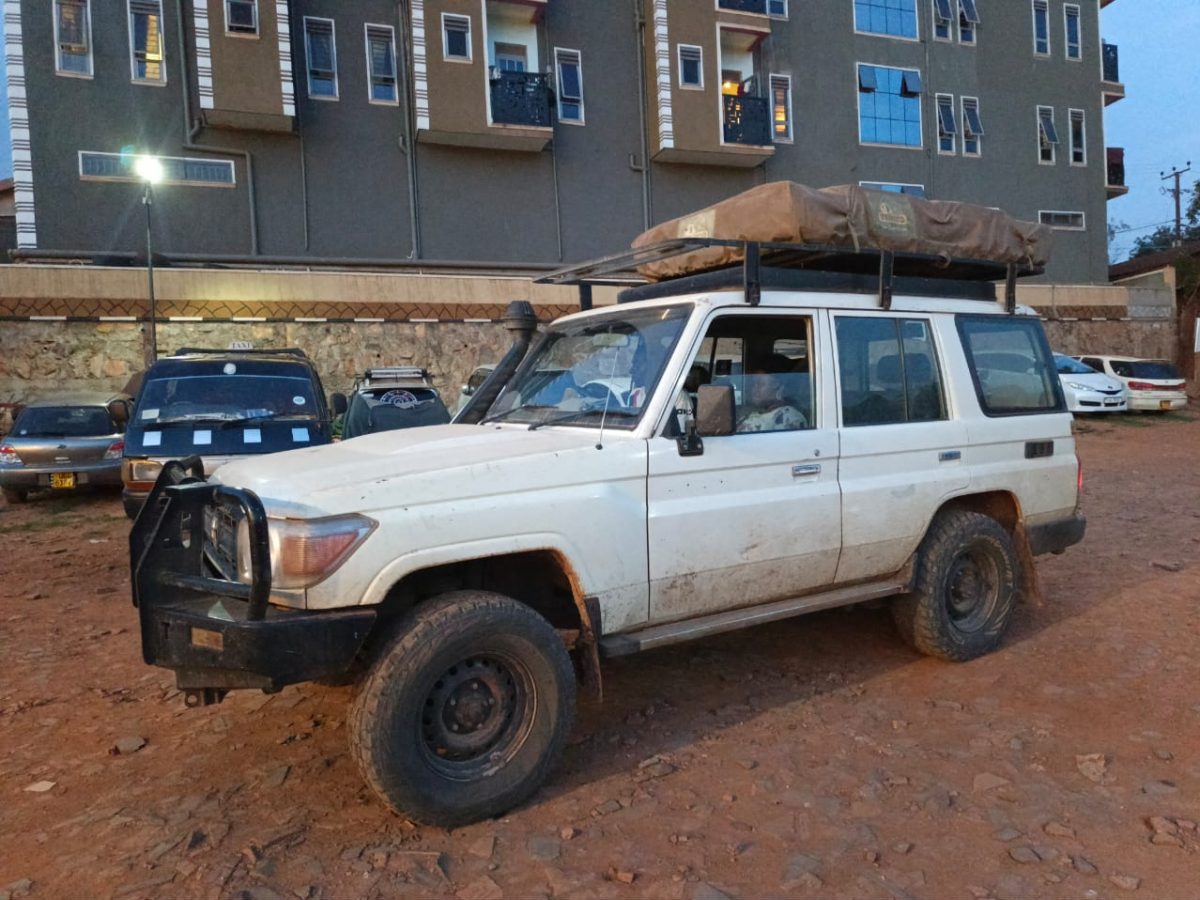
In recent years, rooftop tent camping and simple safari tents have emerged as particularly effective solutions for budget travelers. These accommodation styles reduce costs while maintaining comfort and safety, especially when paired with reliable 4×4 vehicles.
Transportation Choices That Shape the Budget
Transportation is another major factor that determines safari affordability. The use of private charter flights and exclusive safari vehicles dramatically increases costs. Budget safari travel, by contrast, is shaped by shared transport, self-drive options, and overland travel.
Self-drive safaris, in particular, have transformed budget travel across East Africa. With a suitable 4×4 vehicle, travelers are able to access national parks, campsites, and remote areas independently. This approach eliminates daily guide and driver fees while providing complete control over itineraries and travel pace.
It has been observed that self-drive travel also encourages longer stays in fewer locations, reducing fuel costs and enhancing overall value. When paired with rooftop tents or budget camps, self-drive safaris represent one of the most cost-effective ways to experience Africa.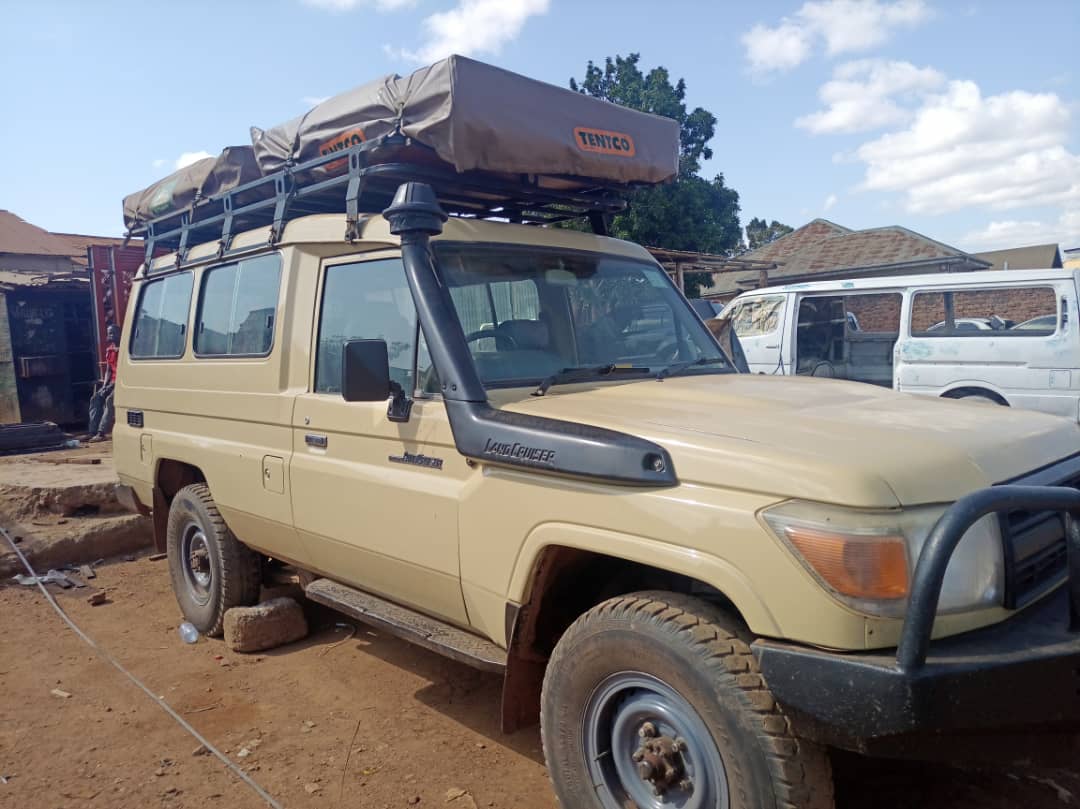
Balancing Independence and Guidance
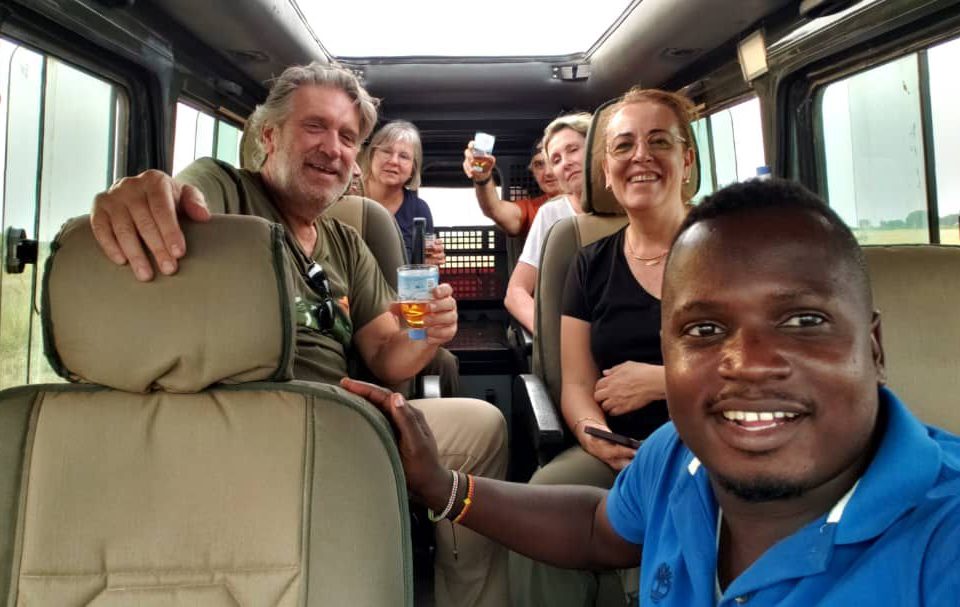
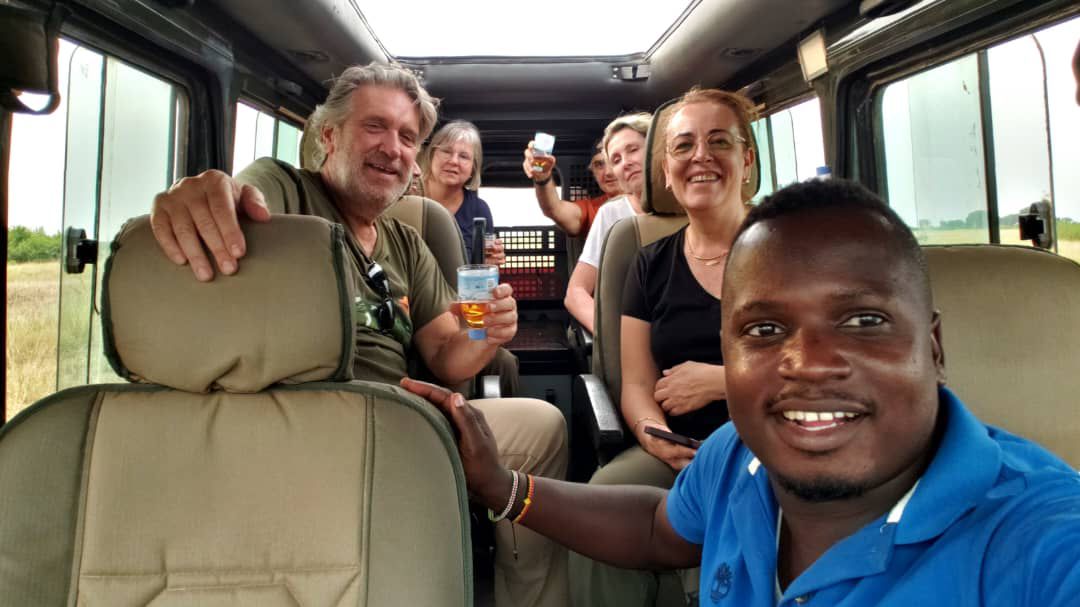
While self-drive travel offers cost savings, it is not the only budget-friendly option. Shared group safaris have also played a crucial role in making African travel accessible. By sharing vehicles, guides, and operational costs, travelers benefit from professional expertise without bearing the full expense.
Group safaris are particularly well-suited to solo travelers and couples seeking affordability without navigating logistics independently. In many cases, these experiences deliver excellent wildlife viewing while maintaining reasonable prices.
It has been consistently shown that the key to budget safari success lies not in avoiding guides altogether, but in choosing the right balance between independence and support based on experience level and comfort.
The Role of Self-Catering in Cost Control
Food expenses are often overlooked when planning a safari budget, yet they can accumulate quickly. Lodge-based dining, while convenient, is frequently priced at a premium. Budget safari travel is therefore strongly supported by self-catering approaches.
Across Africa, local markets and supermarkets offer fresh produce, staples, and regional specialties at affordable prices. When travelers prepare their own meals at campsites or budget lodges, significant savings are achieved. Beyond cost reduction, self-catering also creates opportunities for cultural engagement and a deeper connection to local lifestyles.
It has been widely noted that shared meals prepared in the bush often become some of the most memorable moments of a safari journey, reinforcing the value of simplicity.
Limiting Park Hopping to Maximize Value
A common misconception among first-time safari travelers is that visiting multiple national parks automatically enhances the experience. In reality, frequent park hopping significantly increases costs through repeated entrance fees, fuel consumption, and accommodation changes.
Budget safari travel is most effective when time is concentrated in one or two carefully chosen parks. Extended stays allow for deeper exploration, improved wildlife sightings, and reduced logistical expenses. Many of Africa’s premier parks, such as the Serengeti, Masai Mara, Queen Elizabeth, and Kruger, offer enough diversity to justify longer visits without repetition.
It has been demonstrated that slowing down not only saves money but also enhances the overall safari experience.
Special Experiences: Choosing Selectively
African safaris offer a wide range of optional experiences, including gorilla trekking, hot air balloon flights, and walking safaris. While these activities are undeniably appealing, they often carry significant additional costs.
Budget travel does not require complete avoidance of such experiences, but it does demand careful selection. When one or two high-value activities are chosen strategically, they can serve as meaningful highlights without overwhelming the overall budget.
It is often advised that travelers align special experiences with personal interests rather than attempting to include everything. This approach ensures both financial sustainability and emotional satisfaction.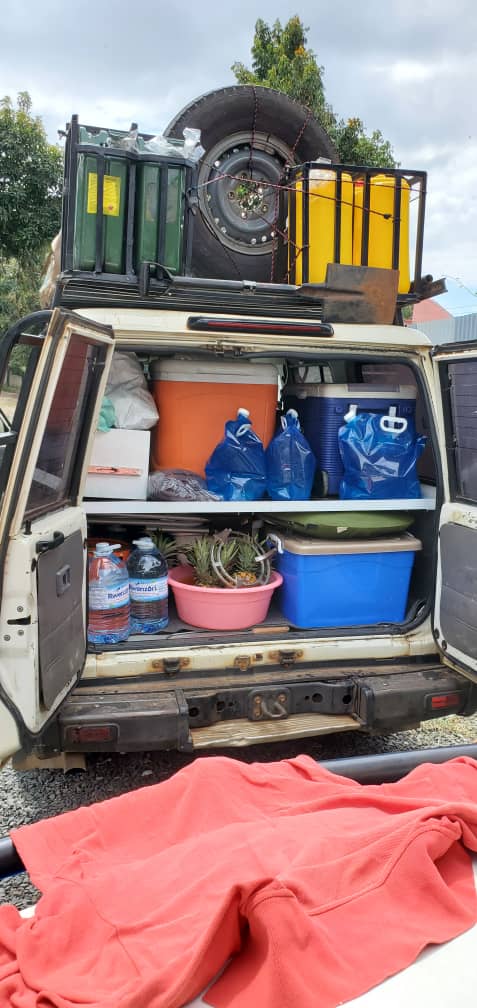
Safety, Planning, and Informed Decision-Making
Budget safari travel must never be confused with unsafe travel. Safety remains a non-negotiable aspect of African exploration. Informed planning, adherence to park regulations, and respect for wildlife are essential regardless of budget level.
It has been repeatedly observed that well-prepared budget travelers often experience fewer issues than poorly planned luxury travelers. Knowledge of road conditions, weather patterns, and park rules plays a far greater role in safety than the price of accommodation.
By investing time in research and preparation, travelers are empowered to navigate Africa confidently and responsibly.
The Psychological Advantage of Budget Safari Travel
Beyond financial considerations, budget safari travel offers a psychological shift that enhances enjoyment. When expectations are aligned with reality, and experiences are valued over amenities, travelers often report greater satisfaction.
The sense of achievement that comes from navigating Africa independently, managing logistics, and engaging directly with the environment cannot be overstated. These experiences foster resilience, adaptability, and a deeper appreciation for the continent.
It has been observed that many travelers who begin with budget safaris continue to favor this approach even when finances later allow for luxury travel.
Sustainability and Ethical Impact of Budget Travel
Budget safari travel often aligns naturally with sustainable tourism principles. Community campsites, local markets, and small operators benefit directly from traveler spending. Environmental impact is reduced through smaller-scale accommodations and reduced resource consumption.
This alignment with sustainability enhances the ethical value of budget travel, allowing visitors to contribute positively to conservation and community development.
Making the African Safari Affordable and Meaningful
Traveling on a budget on an African safari is not a compromise but a conscious choice rooted in value, authenticity, and connection. Through careful destination selection, strategic timing, practical accommodation choices, and informed transportation decisions, Africa becomes accessible to a far broader audience than traditional narratives suggest.
Budget safari travel preserves the essence of what makes Africa extraordinary. Wildlife encounters remain powerful, landscapes remain breathtaking, and cultural experiences become more personal and meaningful. The journey is shaped not by excess but by intention.
For travelers seeking to turn this knowledge into reality, it is strongly recommended that Africa tours and safaris be booked through 4×4 Selfdrive Uganda. With extensive regional expertise, well-maintained vehicles, and a strong focus on affordable self-drive and budget safari solutions, 4×4 Selfdrive Uganda provides a trusted gateway to experiencing Africa in a way that is both financially accessible and deeply enriching.
Through the right guidance and preparation, the dream of an African safari can be realized without financial strain, proving that Africa’s greatest treasures are not reserved for the few, but open to all who travel wisely.